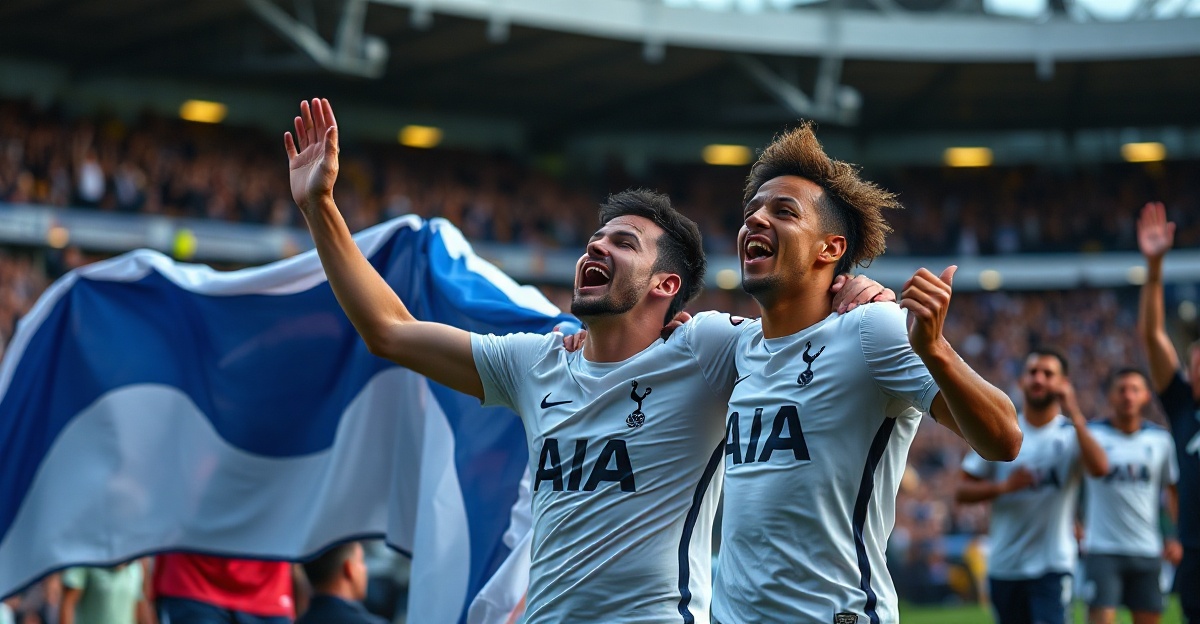
India's Pole Vault Champions Face Harsh Reality After Record-Breaking Win
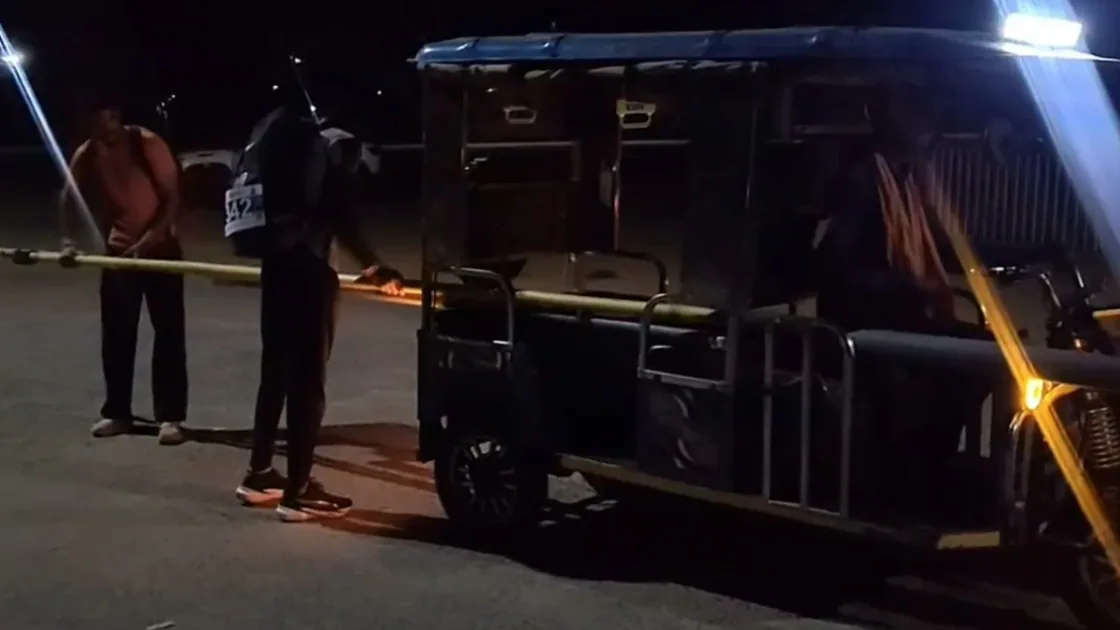
Dev Kumar Meena and Kuldeep Kumar made history by clearing 5.45m at the Federation Cup 2026. However, their celebration was overshadowed by a video showing them transporting their poles in a cramped e-rickshaw. This incident highlights ongoing issues in athlete welfare and support in India.
5.45 meters is the height that made Dev Kumar Meena and Kuldeep Kumar joint national record holders in pole vaulting.
On May 21, 2026, in Ranchi, these Madhya Pradesh teammates achieved this remarkable feat at the Federation Cup, securing their spots for the upcoming Commonwealth Games.
Yet, just hours later, a video surfaced showing them in a cramped e-rickshaw, struggling to haul their five-meter-long fiberglass poles through the streets.
The sight sparked outrage on social media, with fans criticizing the lack of support for India's top athletes.
Pole vaulting requires specialized and delicate equipment, yet these champions were left to manage their logistics alone.
A Grim Reality for Champions
The video of Meena and Kumar traveling in an e-rickshaw has become a symbol of the systemic failures in athlete welfare in India.
Despite their incredible achievements, the athletes had to rely on inadequate transportation for the very equipment that brought them glory.
Earlier this year, both athletes faced a similar struggle when they were denied entry onto a train at Panvel station due to their poles.
They were stranded for nearly five hours, raising questions about how junior athletes cope under such conditions.
Historic Performance on the Field
The men's pole vault final was a thrilling event that showcased the talent of both athletes.
Kuldeep entered the competition as the record holder with a jump of 5.41m.
Dev first broke that record with a leap of 5.42m, only for Kuldeep to respond by clearing 5.45m.
Dev then matched that height, resulting in both athletes sharing the national record.
The Need for Better Support
While both athletes met the Athletics Federation of India's qualification standard for the Commonwealth Games, the challenges they face highlight a broader issue.
The logistics of their sport should not overshadow their achievements.
India's athletes need more than just talent; they require adequate support and facilities to thrive.
The current state of athlete welfare must improve if India aims to compete at higher levels in international sports.
Next Steps for Athlete Welfare
The treatment of Meena and Kumar serves as a wake-up call for sports authorities in India.
Addressing these logistical challenges is crucial for the future of athletics in the country.
The next checkpoint will be how the Athletics Federation of India responds to this incident and whether it implements changes to support its athletes better.