Rio Tinto Enhances 30-Year-Old System with AI Technology
Rio Tinto has developed an AI domain assistant for its aluminium operations in Australia and New Zealand, aimed at documenting a 30-year-old manufacturing system. The assistant unlocks complex knowledge embedded in the Metpro system, enhancing operational efficiency. This initiative is set to streamline processes and reduce risks associated with changes in the system.
The industry impact is commercial adoption: pricing, availability and hardware specifications will decide whether the launch changes buying behaviour or stays a niche update. Readers should watch confirmed market rollout, not promotional language.
30 years is the lifespan of Rio Tinto's manufacturing execution system, Metpro, which is crucial for its aluminium operations in Australia and New Zealand.
The company has introduced an AI domain assistant designed to document the intricate knowledge and decision-making processes within Metpro.
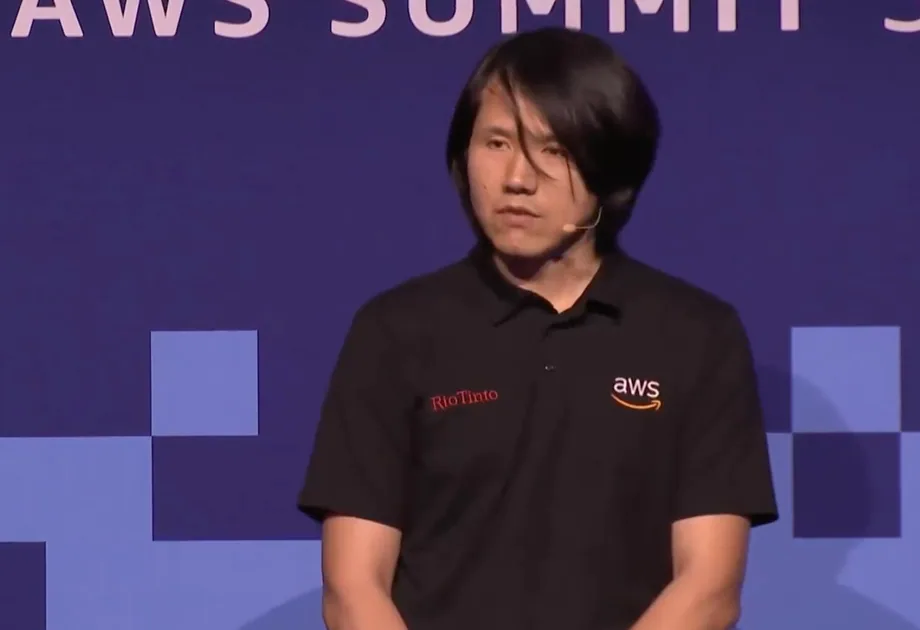
Data science senior advisor Ke Shi shared insights at the AWS Summit Sydney, highlighting how this assistant is addressing the accumulated complexity of the system.
Understanding Metpro's Role
Metpro manages the entire aluminium product lifecycle, from tapping to shipments.
It serves as a central hub, linking process control systems, data capture platforms, and operational infrastructure.
Over the years, the technical documentation for Metpro has become fragmented, existing across thousands of documents.
The system's tightly coupled nature has led to poorly understood dependencies.
Even minor changes, such as user interface configurations, can have unforeseen consequences.
This complexity results in slow onboarding for engineers and increases the risk associated with system modifications.
Aiming for Operational Efficiency
Instead of replacing Metpro, Rio Tinto opted to retain and operationalize the decades of embedded knowledge within the system.
The goal was to preserve the operational logic and dependencies that had become outdated, making this information accessible to engineers without altering the underlying platform.
To achieve this, the company created a domain-aligned training dataset, integrating the Metpro codebase with business and operational contexts.
They utilized Amazon SageMaker AI Jumpstart and selected the Llama 3.1 8B model as the initial inference model.
Training the AI Assistant
Using a curated dataset, the model was trained to internalize the actual behavior of the Metpro system, as well as its expected responses.
This fine-tuning provided the AI with a strong understanding of the domain, essential for adapting to real-world changes.
The AI assistant is designed to bridge gaps in knowledge, continuously updating itself with new information without needing constant retraining.
This ensures that the understanding of the Metpro system remains current and reliable.
Impact on Engineering Processes
With the AI domain assistant in place, engineers can now grasp the dependencies affecting proposed changes in minutes rather than days.
This shift allows them to focus more on innovation and process improvements rather than reverse-engineering complex logic.
The initiative establishes a foundation for future modernization efforts.
Knowledge is now captured and applied in a way that supports low-risk updates without disrupting critical operations.
Next Steps for Rio Tinto
As Rio Tinto continues to refine its AI capabilities, the focus will be on ensuring that the system remains adaptable to evolving operational needs.
The next checkpoint will involve assessing the long-term impacts of the AI assistant on production efficiency and risk management within the aluminium operations.