xAI Turbine Fight Turns AI Data Centers Into A National Security Case
The US Justice Department urged a federal court to dismiss a Memphis lawsuit over xAI gas turbines, arguing that power for Grok is tied to national and military interests.
Justice Department Enters The xAI Power Dispute
The US Justice Department has asked a federal court to throw out a lawsuit challenging xAI’s use of portable natural gas turbines at its Memphis data centers.
The case was brought by the NAACP and other groups, which argue that xAI failed to obtain a permit for a power plant supplying its AI facilities.
The Justice Department countered that cutting off the power supply would threaten national, economic and energy security because the Grok system supports military operations.
That filing turns a local pollution and permitting dispute into a test of how far AI infrastructure can be protected when a government agency links model availability to national security.
Grok Claims Meet Local Pollution Allegations
The Justice Department described continued operation of Grok as a national security matter.
It cited a letter from Cameron Stanley, the Department of Defense’s chief digital and artificial intelligence officer, who argued that the Grok Gov Model has capabilities other frontier AI systems do not offer.
Stanley also linked Grok to a US-Iran war operation, saying US forces deployed over 2,000 munitions against 2,000 distinct targets within 96 hours.
The filing uses that claim to argue that the data center power supply is not merely a commercial facility issue.
The local case has a different focus.
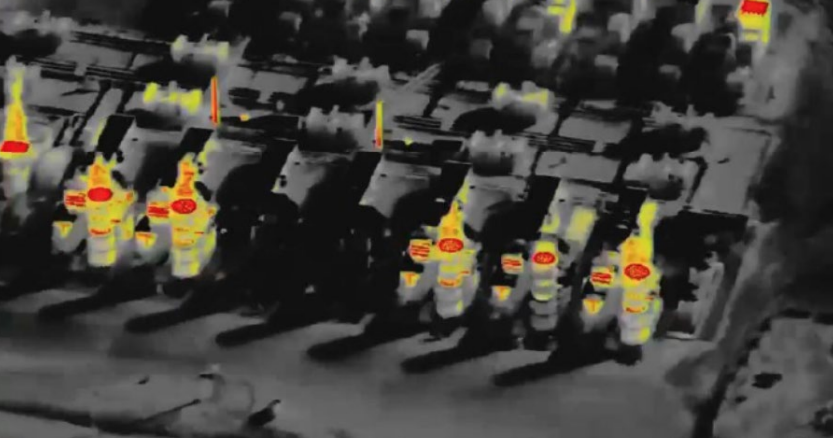
The NAACP and other plaintiffs say dozens of portable turbines were run without proper permitting, exposing Memphis residents to pollution risk.
DCD’s source material lists the dispute around Colossus I and Colossus II, with Colossus II used by Grok and also by Google.
The company’s ownership also gives the case broader technology-sector visibility.
The article identifies xAI as now part of SpaceX, placing the power fight inside a larger group of businesses that already intersect with government, defence and infrastructure procurement.
AI Compute Now Carries An Energy Liability
The Memphis fight shows how AI capacity depends on fuel, permits and local environmental rules as much as on chips and model training.
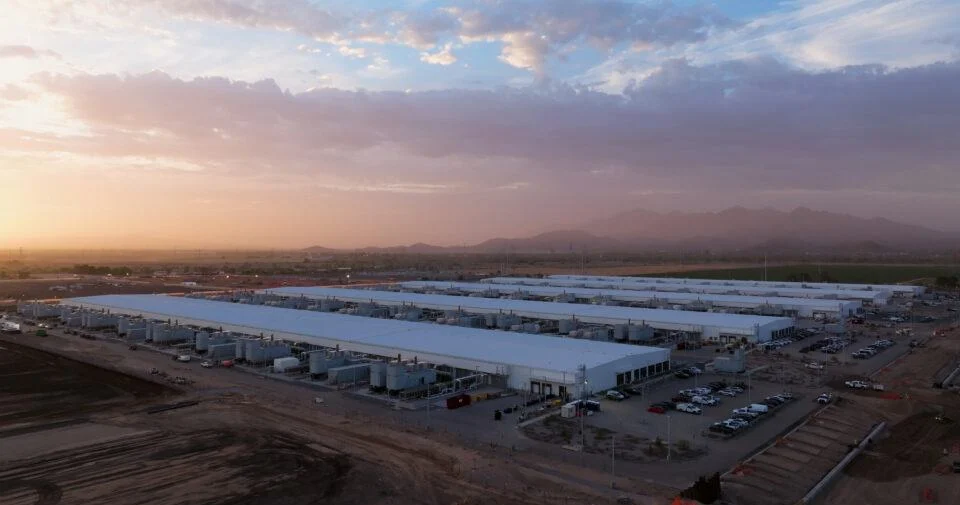
xAI uses turbines to power both Colossus I and Colossus II.
Anthropic is identified as a user of the former facility, while the Department of Defense separately described Anthropic as a supply chain risk, forcing military contractors to stop work with that company.
For Memphis residents and local regulators, the central issue is narrower than the national-security filing: whether a fast-moving AI operator can run temporary generation at the scale described by the plaintiffs without the permits normally attached to a power plant.
The unresolved burden now sits with the court.
If the Justice Department argument prevails, AI operators may gain more room to defend energy infrastructure as strategically necessary.
If the lawsuit proceeds, xAI will still have to answer a narrower but important question: whether urgent demand for AI compute can override local permitting and pollution controls.