SendTech Times
Policy
REGULATION WATCH:

AI's Job Disruption Concerns Raised at Vatican Event

Article summary

Anthropic co-founder Christoph Olah highlighted the potential for AI to displace jobs on a large scale during a Vatican event. Pope Leo XIV emphasized the need for stronger regulations to address the ethical implications of rapidly advancing technologies. The discussions signal a growing recognition of the societal impact of AI beyond the tech industry.
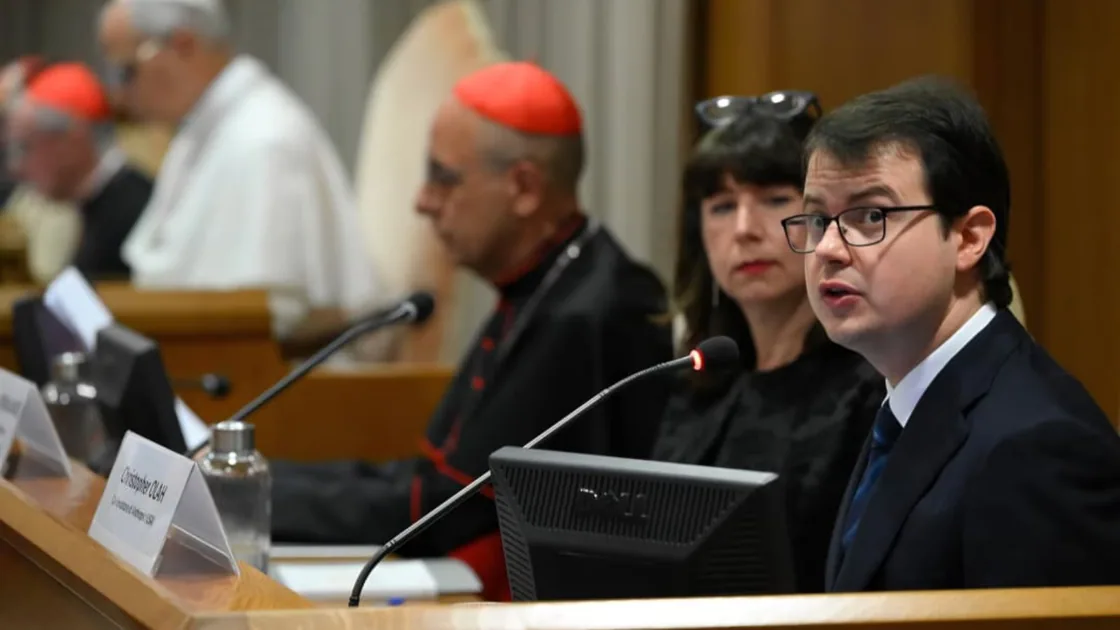
AI's Job Disruption Concerns Raised at Vatican Event
Image source: indianexpress.com

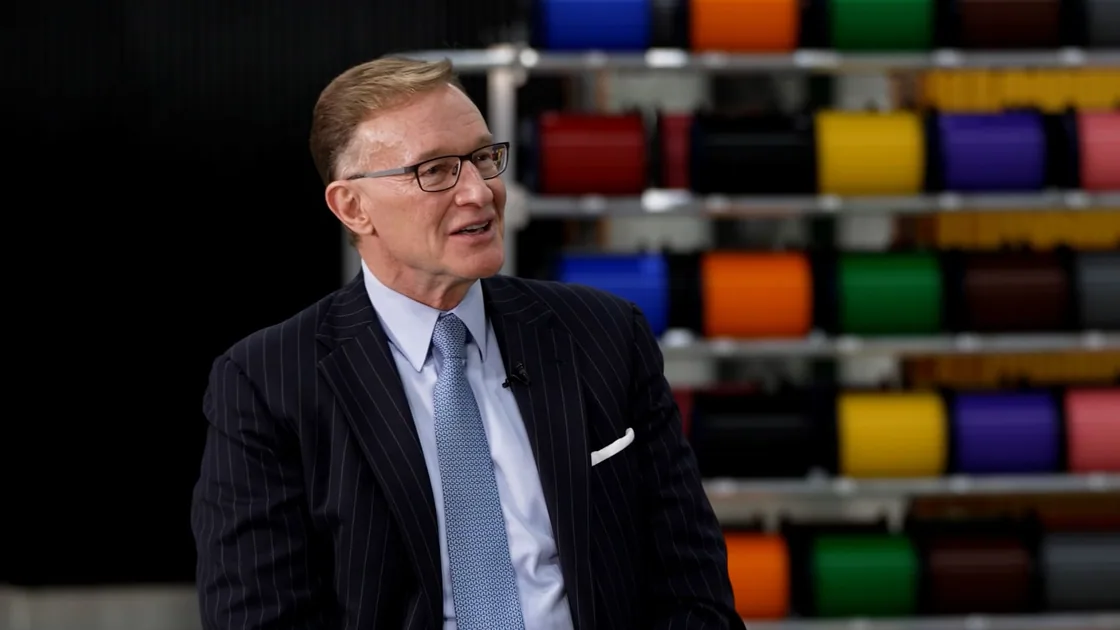
On May 25, during a Vatican event, Christoph Olah, co-founder of Anthropic, warned that artificial intelligence could displace human labor on a significant scale.

His remarks coincided with Pope Leo XIV's presentation of his encyclical, "Magnifica Humanitas," which addresses the moral and social challenges posed by AI technology.

Olah's comments reflect increasing concerns about how AI systems are reshaping employment landscapes.

He noted that there is a "real possibility" of job disruption if AI is deployed widely.

This potential shift in labor markets raises critical questions about how society will support those affected by automation.

The Moral Imperative

Olah emphasized that if AI leads to widespread job displacement, supporting those impacted will become a moral imperative of historic proportions.

The urgency of this issue highlights the need for proactive measures to safeguard the workforce as technology evolves.

Calls for Regulation

Pope Leo XIV called for stronger government regulation of AI companies, criticizing the concentration of power in the digital realm.

He expressed concerns about unchecked technological advancements and their implications for society.

This call for regulation aligns with Olah's acknowledgment of the pressures facing AI companies, which often operate under competitive and geopolitical constraints that may not prioritize societal interests.

Ethical Discussions Beyond Tech

Olah welcomed the Vatican's engagement with AI, arguing that ethical discussions should extend beyond the tech industry.

He believes that institutions like governments, civil society groups, and religious organizations play a vital role in shaping AI's development and governance.

This perspective underscores the importance of inclusive dialogues about technology's impact on humanity.

The Broader Context

As AI systems become increasingly capable of performing tasks traditionally done by humans, concerns about workforce disruption are intensifying.

Industries that rely on repetitive digital work are particularly vulnerable.

The Vatican's stance reflects a broader societal concern about the ethical implications of AI, emphasizing the need for accountability and equitable solutions.

Next Steps in AI Regulation

The discussions at the Vatican signal an important shift in how AI is perceived in relation to human dignity and social impact.

The Pope's collaboration with Anthropic suggests a commitment to exploring ethical frameworks for AI deployment.

Future regulatory developments will be crucial in addressing the challenges posed by AI technologies and ensuring they serve the common good.

Share this article
inXf

Related articles

More
Reid Hoffman Leaves Microsoft Board As Manus Pulls AI Drug Discovery Into Focus
AI

Reid Hoffman Leaves Microsoft Board As Manus Pulls AI Drug Discovery Into Focus

Reid Hoffman is leaving Microsoft’s board after nearly a decade to focus on Manus, the AI-powered drug discovery startup he co-founded. Manus has raised over $50 million across two seed rounds, with General Catalyst among its backers and Dr. Siddhartha Mukherjee serving as CEO. The next signal is whether Manus can turn Hoffman’s founder focus into source-backed drug discovery milestones beyond early funding and AI positioning.

ByteDance Raises Volcano Engine AI Revenue Target on Seedance 2.0 Demand
AI

ByteDance Raises Volcano Engine AI Revenue Target on Seedance 2.0 Demand

ByteDance’s Volcano Engine raised its full-year MaaS revenue target to RMB 15 billion after Seedance 2.0 became a larger AI revenue contributor. Seedance 2.0 is described as generating more than RMB 1 billion in monthly revenue, while average daily token consumption has grown by nearly 40% month-on-month. The practical test is whether Volcano Engine can keep video-generation usage converting into paid token consumption beyond high-usage content segments.

Airbnb’s Chesky Tests Whether AI Needs Its Own Interface Lab
AI

Airbnb’s Chesky Tests Whether AI Needs Its Own Interface Lab

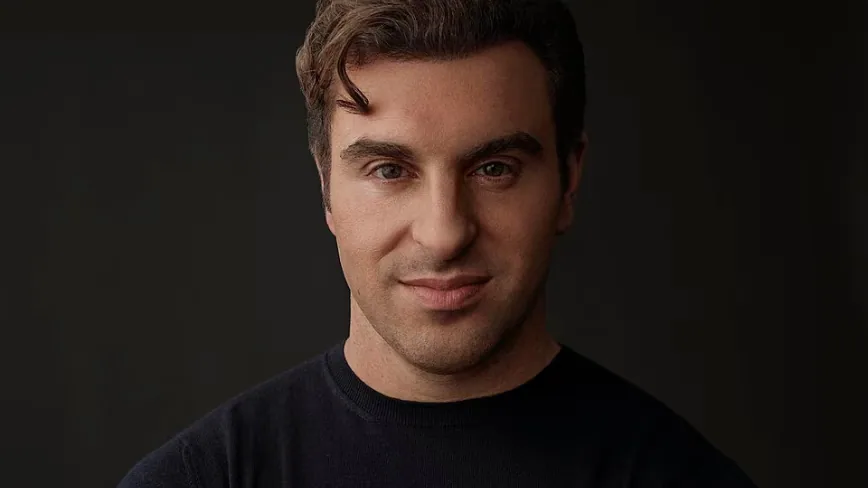
Brian Chesky is preparing to support a separate AI research effort centered on interface design while keeping his Airbnb CEO role. Airbnb’s AI markers include 40% customer-support automation, conversational search built around a large language model, and a planned voice assistant later this year. The central question is whether a founder-led lab can turn interface research into useful consumer AI without a disclosed team, funding amount or timeline.

Microsoft Human Rights Review Puts Cloud and AI Contracts Under Pre-Contract Scrutiny
AI

Microsoft Human Rights Review Puts Cloud and AI Contracts Under Pre-Contract Scrutiny

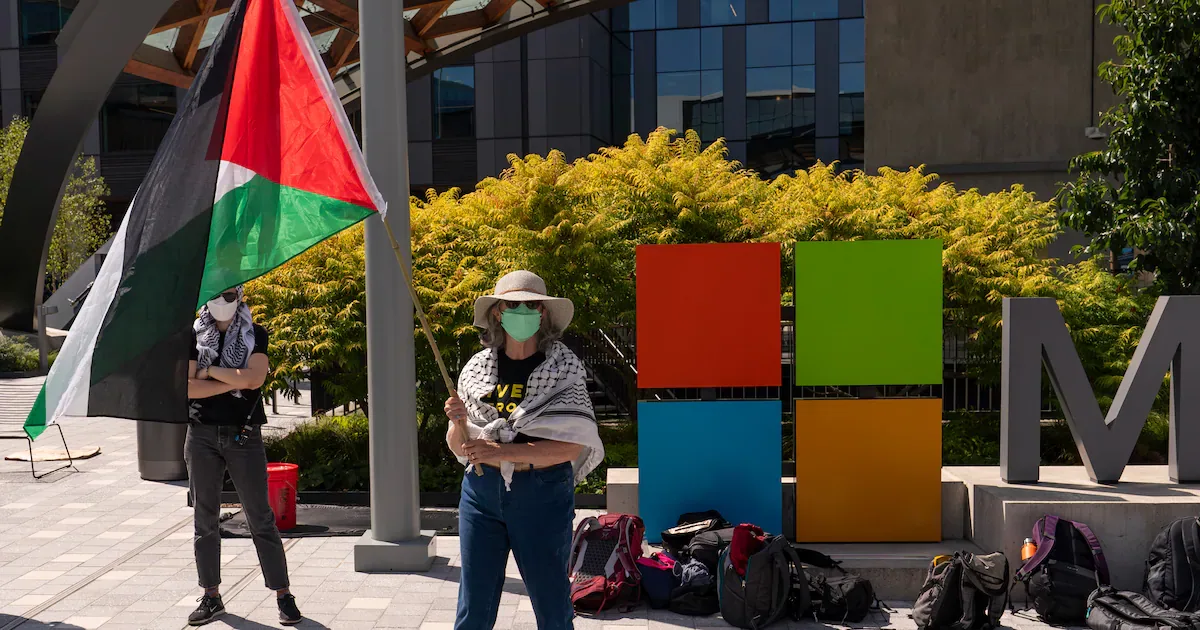
Microsoft said it will strengthen human rights controls after reviewing how the Israeli military used its technology during the Gaza war. The company said it had disabled specified cloud storage and AI service subscriptions for the Israeli Ministry of Defence in September last year. The practical test is whether stronger pre-contract reviews change how sensitive cloud and AI engagements are approved before deployment.

Keep Reading

More Stories

Latest
Nvidia 6G Radio Chip Plan Moves AI-RAN Into Telecom EdgeChips & SemiconductorsJun 9, 2026Nvidia 6G Radio Chip Plan Moves AI-RAN Into Telecom EdgeNvidia is working on a GPU-based chip for 6G radio units, extending AI-RAN into low-PHY radio processing while power, supplier integration and RAN spending remain the key tests.Apple AI Architecture Puts Google And Nvidia Inside Its Privacy TestAIJun 9, 2026Apple AI Architecture Puts Google And Nvidia Inside Its Privacy TestApple is using Google and Nvidia to support its most advanced cloud AI model while trying to keep Apple Intelligence centered on private orchestration, proprietary models and on-device context.Amazon-Corning Fiber Deal Puts Optics Inside The AI Data Center BottleneckCloud & Data CentersJun 9, 2026Amazon-Corning Fiber Deal Puts Optics Inside The AI Data Center BottleneckAmazon has reached a multi-year optical fiber and networking agreement with Corning, adding North Carolina manufacturing jobs and highlighting fiber capacity as a practical constraint in AI data center expansion.Check Point VPN Exploitation Puts Legacy IKEv1 Access In The Ransomware SpotlightCybersecurityJun 8, 2026Check Point VPN Exploitation Puts Legacy IKEv1 Access In The Ransomware SpotlightA critical Check Point VPN flaw, CVE-2026-50751, is being exploited against legacy IKEv1 remote-access configurations, with activity tied in one case to a Qilin ransomware affiliate and a second related VPN issue also disclosed.Silent Ransom Group Uses Fake IT Support Calls to Pressure Law FirmsCybersecurityJun 8, 2026Silent Ransom Group Uses Fake IT Support Calls to Pressure Law FirmsSilent Ransom Group is targeting U.S. law firms and professional services organizations with fake IT support calls, remote access tools and rapid data-theft extortion. Mandiant links the activity to UNC3753, Luna Moth and Chatty Spider, while the FBI has warned of related social engineering and in-person theft attempts.Alphabet’s $85 Billion AI Financing Push Tests Data Center Investor AppetiteCloud & Data CentersJun 8, 2026Alphabet’s $85 Billion AI Financing Push Tests Data Center Investor AppetiteAlphabet is seeking $85 billion in equity financing after raising its capex outlook to as high as $190 billion. The company is presenting Google Cloud growth, AI adoption and lower Gemini serving costs as evidence that its data center spending can support long-term AI demand.Apple WWDC 2026 Turns Siri Into the Test of Its AI CredibilityAIJun 8, 2026Apple WWDC 2026 Turns Siri Into the Test of Its AI CredibilityApple is expected to put Siri back at the center of WWDC 2026 after delays to its promised Apple Intelligence assistant. The event is likely to test whether Apple can turn contextual awareness, chatbot-style interaction and agentic voice tasks into reliable platform features.ChatGPT Lockdown Mode Narrows AI Data Exfiltration PathsCybersecurityJun 8, 2026ChatGPT Lockdown Mode Narrows AI Data Exfiltration PathsOpenAI is rolling out Lockdown Mode for eligible ChatGPT users to reduce data exfiltration risk from prompt injection. The optional setting limits outbound web and tool capabilities, trading some product flexibility for stronger containment around sensitive workflows.Smart TV Proxy SDKs Turn Free Apps Into a Hidden AI Scraping Supply ChainCybersecurityJun 7, 2026Smart TV Proxy SDKs Turn Free Apps Into a Hidden AI Scraping Supply ChainBright Data's SDK has been reverse-engineered in research showing how free apps can turn consumer devices, including smart TVs, into residential proxy nodes for web-scraping traffic. The issue matters because AI data harvesting is increasing demand for residential IPs, while consent screens and background network behavior may not be clear to users or IT teams.Stratos Data Center Cuts Utah Plan as Water Backlash Tests AI Infrastructure GrowthAIJun 7, 2026Stratos Data Center Cuts Utah Plan as Water Backlash Tests AI Infrastructure GrowthA Kevin O'Leary-backed Utah data center plan has been cut back after water and transparency objections, showing how local resistance can reshape AI infrastructure projects.Dubai Hotels Turn to Residents as Tourism Shock Tests Luxury DemandEconomyJun 7, 2026Dubai Hotels Turn to Residents as Tourism Shock Tests Luxury DemandDubai luxury hotels are using resident staycation discounts to offset weaker international tourism, but the source shows weekend demand cannot fully replace longer foreign stays.Ciena's $50 Billion AI Network Target Puts Optical Capacity on the Hyperscaler ClockChips & SemiconductorsJun 7, 2026Ciena's $50 Billion AI Network Target Puts Optical Capacity on the Hyperscaler ClockCiena says AI demand could roughly double its addressable market to about $50 billion by 2029 as hyperscalers and service providers invest in optical networking. It cited RLS Hyper Rail, DCOM, coherent modules and 400G/800G pluggable optics as demand areas while planning $250 million to $275 million in capex this year. The practical test is whether AI compute buildouts convert into durable network orders.