Apple Slashes iPhone 17 Pro Prices in China, Rivals Follow Suit
Apple has reduced the prices of its iPhone 17 Pro series in China by ¥1,000, marking its first official price cut since launch. This move is part of a broader trend as Huawei and Xiaomi also announce significant discounts. The price adjustments reflect competitive pressures and rising costs in the smartphone market.
The industry impact is commercial adoption: pricing, availability and hardware specifications will decide whether the launch changes buying behaviour or stays a niche update. Readers should watch confirmed market rollout, not promotional language.
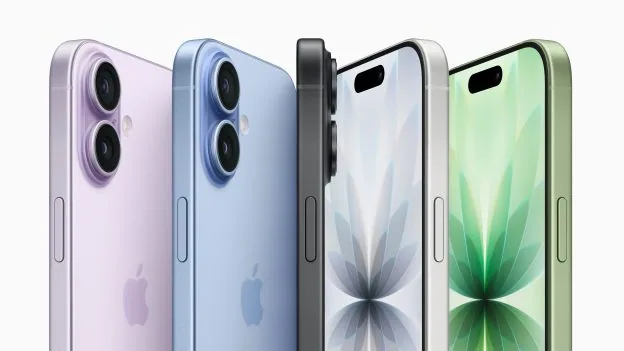
¥1,000 is the price cut Apple has implemented for its iPhone 17 Pro series in China as of May 15.
This marks the first official reduction since the device's launch, aimed at capturing market share amidst increasing competition.
Apple's price adjustments extend to the entire iPhone 17 lineup, with some e-commerce platforms offering combined subsidies that lower the effective purchase price to as low as ¥6,999.
This brings the iPhone 17 series into the ¥6,000 range for the first time.
The iPhone 17 itself can be purchased for as low as ¥4,499 with subsidies.
Competitors Join the Price War
Following Apple's lead, major Chinese smartphone manufacturers are also slashing prices.
Huawei announced discounts on its foldable flagship models, cutting the Mate X7 by ¥1,000 to ¥11,999 and the Mate X6 by up to ¥3,000 to ¥9,999.
Xiaomi has reduced the price of the Xiaomi 15 Ultra by ¥1,500, with effective prices expected to drop to just above ¥4,300 for the 256GB model.
Market Dynamics and Cost Pressures
These price cuts come as smartphone brands face rising cost pressures, particularly from surging mobile DRAM contract prices.
TrendForce reports that the average selling price (ASP) of LPDDR4X solutions is expected to rise by 70-75% quarter-over-quarter for Q2 2026, while LPDDR5X solutions may see an even steeper increase of 78-83%.
Apple's Supply Chain Advantage
Apple's ability to implement these price cuts is attributed to its strong supply chain management.
The company has secured low-cost memory supply agreements lasting 3-5 years, allowing it to maintain procurement costs that are 30-40% lower than those of Android competitors.
This strategic advantage enables Apple to offer aggressive discounts while still maintaining substantial profit margins.
Implications for the Smartphone Market
The competitive pricing strategy reflects a significant shift in the smartphone market landscape.
While Apple and Huawei leverage their brand strength and supply chain advantages, other Chinese manufacturers like Xiaomi, OPPO, and vivo are grappling with mounting cost pressures.
As the market evolves, further price adjustments may be necessary for these companies to remain competitive.
Next Checkpoint: Supply Chain Developments
Watch for updates on how rising component costs will affect pricing strategies across the smartphone industry in the coming months.