AST SpaceMobile shares fall after Blue Origin launch leaves BlueBird 7 in the wrong orbit
AST SpaceMobile shares fell more than 5% after Blue Origin sent BlueBird 7 into a lower-than-planned orbit on Sunday. The satellite was later deemed lost, though AST said insurance is expected to cover the cost. AST also said BlueBird 8, 9 and 10 should be ready to ship in 30 days as it keeps its 2026 launch plan.
The impact is on network capacity, coverage and operator spending. Readers should watch whether the announcement changes service availability, spectrum use or capital expenditure rather than headline claims alone.
AST SpaceMobile shares fell after a problem with the launch of its BlueBird 7 satellite raised new questions about the company's deployment schedule and its dependence on Blue Origin's New Glenn rocket.
Stock drops after satellite is lost
The stock fell more than 5% after Blue Origin placed the satellite into a lower-than-planned orbit on Sunday.
AST SpaceMobile said BlueBird 7 would have been the company's eighth satellite launched into low-earth orbit.
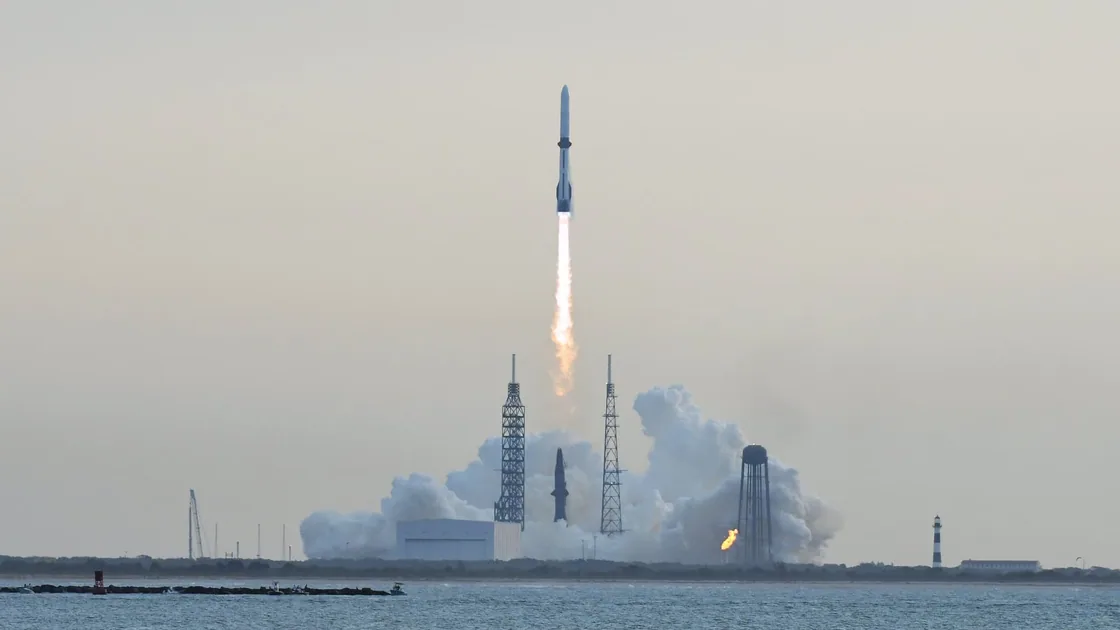
The mission flew on Blue Origin's third New Glenn rocket.
Blue Origin said the satellite had been sent to the wrong orbit and that it was evaluating the situation.
The company has not made another statement since the satellite was officially deemed lost.
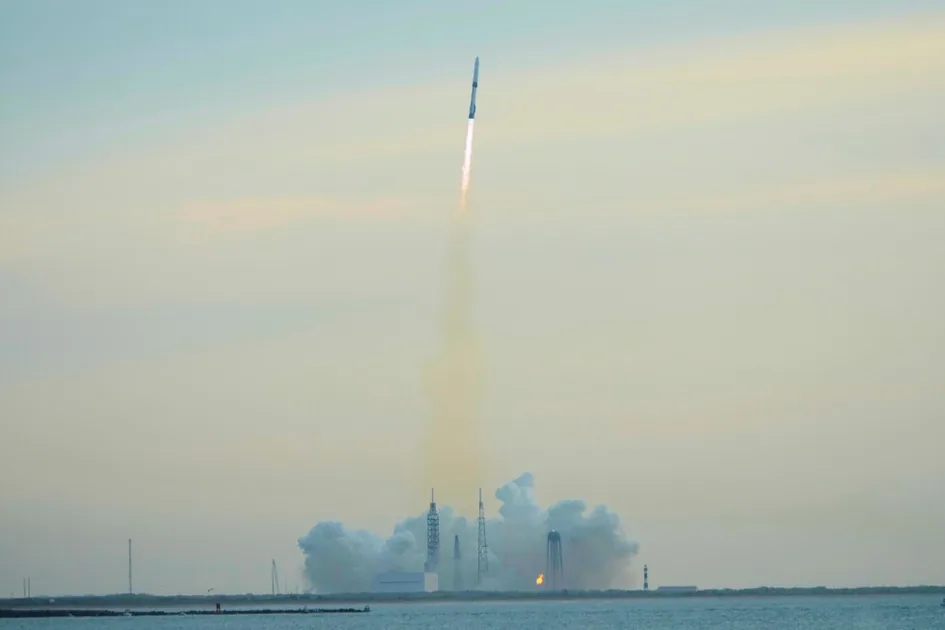
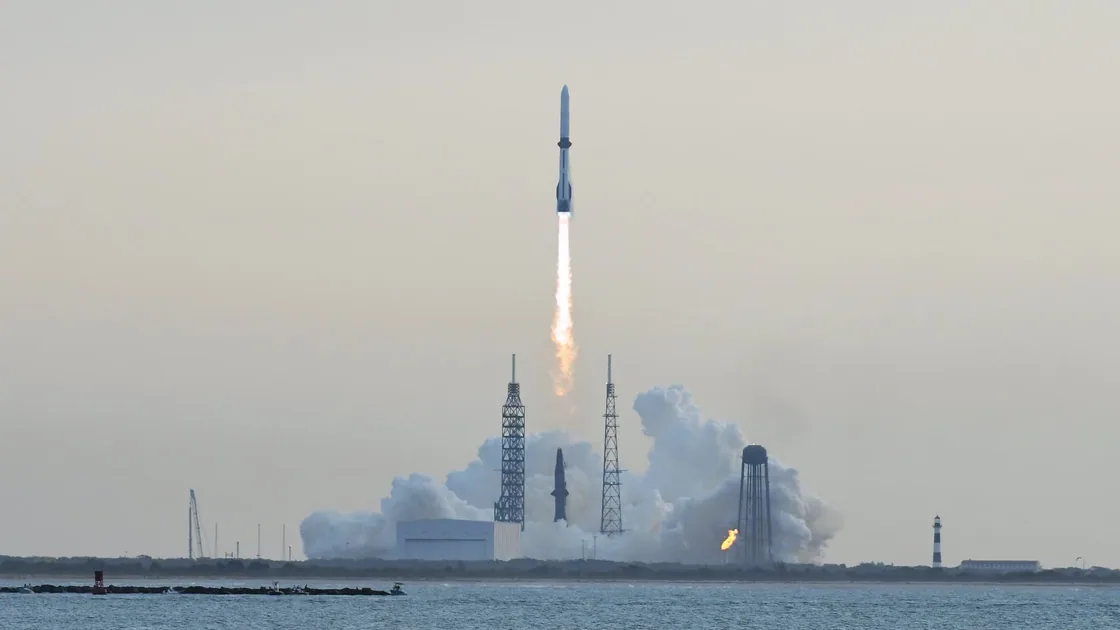
A photo from April 19, 2026, showed a Blue Origin New Glenn rocket carrying the AST SpaceMobile Bluebird 7 satellite launching from pad 36 at Cape Canaveral Space Force Station in Cape Canaveral, Florida.
AST keeps its broader launch plan
AST said an insurance policy is expected to cover the cost tied to the lost satellite.
It also said it still plans to maintain a 2026 launch cadence of roughly one mission every one to two months.
In the same update, the company said BlueBird satellites 8, 9 and 10 should be ready for shipment within 30 days.
Those details are important because the failed mission affects a wider rollout effort.
BlueBird 7 was part of AST's push to expand its low-earth-orbit network, and the next set of satellites is now a key part of that timeline.
Analysts weigh the setback
William Blair analyst Louie DiPalma said AST's target of having 45 satellites in orbit by the end of the year will likely be difficult to achieve after Sunday's event.
Even so, he did not describe the outcome as a complete loss for the company.
DiPalma said AST gained useful experience from integrating its satellite with New Glenn and working with Blue Origin's team.
He also noted that only one satellite was aboard this mission, limiting the damage from the failed launch.
Future New Glenn missions could carry as many as eight of AST's BlueBird satellites.
That point matters because any later launch issue could have a larger effect if more satellites are riding on a single rocket.
Price target reduced, buy rating kept
Clear Street analyst Greg Pendy kept a buy rating on the stock after the news but lowered his price target to $115 (about AED 422) from $137 (about AED 503).
That revised target still implied a 34% gain from Friday's close, but it was well below his earlier view of a 60% rise in the shares.
UBS analyst Christopher Schoell said the direct financial impact on AST should be limited, but he added that AST and its share performance are now tied more closely to Blue Origin.
He wrote that the success of New Glenn is important to meeting year-end deployment targets and management's 2027 revenue goal, and said uncertainty could weigh on investor sentiment until there is more clarity.
For now, investors are focused on the next practical milestones already outlined by the company and analysts: whether BlueBird 8, 9 and 10 are shipped on the stated timetable and whether AST can stay near its planned 2026 launch pace after the loss of BlueBird 7.