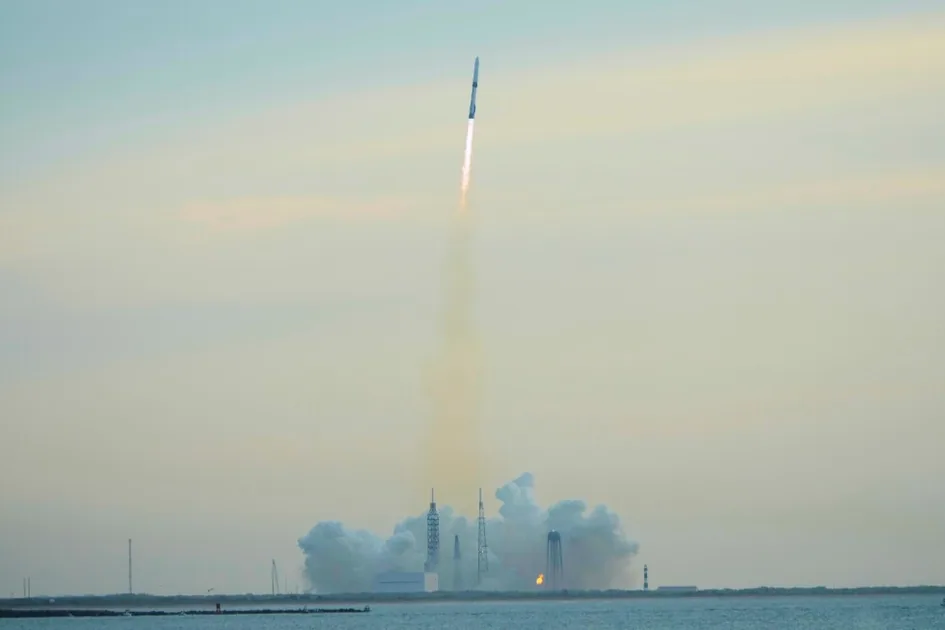
AST SpaceMobile shares fall after Blue Origin puts BlueBird 7 into the wrong orbit
AST SpaceMobile shares fell more than 5% after Blue Origin sent BlueBird 7 into a lower-than-planned orbit. The satellite was later deemed lost, while AST said insurance is expected to cover the cost. Attention has shifted to AST’s 2026 launch cadence and its target for satellites in orbit by year-end.
Satellite loss hits AST shares
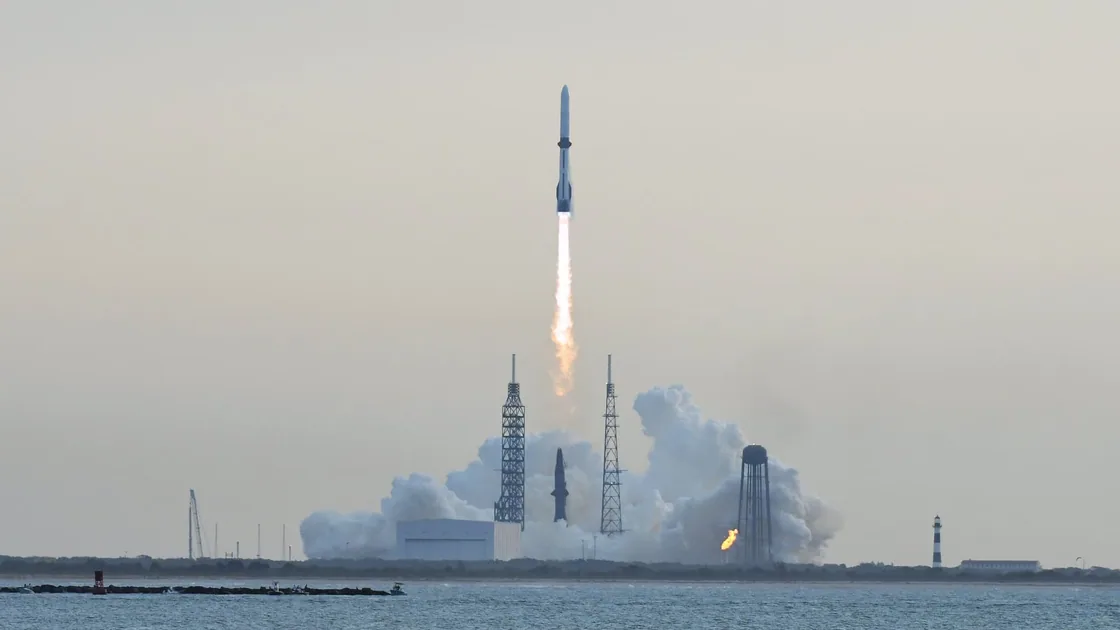
AST SpaceMobile shares dropped after Blue Origin placed the company’s BlueBird 7 satellite into the wrong orbit during a Sunday mission.
The stock fell more than 5% after the setback.
BlueBird 7 would have been AST SpaceMobile’s eighth satellite in low-earth orbit.
The spacecraft flew on Blue Origin’s third New Glenn rocket.
After the launch, Blue Origin said the satellite had been sent to the wrong orbit and that it was reviewing the situation.
No further statement was issued after the satellite was officially deemed lost.
AST also has not made a new statement since the loss was confirmed.
Earlier, the company had said the satellite loss was expected to be covered by insurance.
Launch plans remain in focus
Despite the failed mission, AST said it still expects to launch a satellite on average once every one to two months in 2026.
The company also said BlueBird satellites 8, 9 and 10 should be ready to ship in 30 days.
That has kept investor attention on whether AST can stay close to its planned deployment pace after losing BlueBird 7.
The failed mission removed one satellite from a network expansion plan that is already being watched closely by analysts.
William Blair analyst Louie DiPalma said AST’s goal of having 45 satellites in orbit by the end of the year will likely now be difficult to reach.
Even so, he did not describe the event as a total loss for the company.
He said AST gained experience from integrating a satellite with New Glenn and working alongside the Blue Origin team.
He also pointed to one possible positive: only one AST satellite was on this launch, while future New Glenn missions may carry as many as eight BlueBird satellites.
Analyst views after the setback
Clear Street analyst Greg Pendy remained bullish on the stock and reiterated a buy rating after the news.
However, he reduced his price target to $115 (about AED 422) from $137 (about AED 503).
UBS analyst Christopher Schoell said the direct financial impact on AST should be limited, but he also said AST’s operational progress and stock performance are now more closely tied to Blue Origin.
In his view, the success of New Glenn is important for AST’s year-end deployment targets and for management’s 2027 revenue goal.
He added that uncertainty could weigh on investor sentiment until there is more clarity.
The overall picture for investors is now centered on execution.
AST has said insurance should absorb the cost of the lost satellite, and it has kept its expected 2026 launch pace unchanged.
At the same time, the failed mission raises fresh questions about timing and reliability as the company works toward a much larger satellite footprint.
For now, BlueBird 7’s loss has shifted the conversation from a single launch to the broader rollout plan.
With BlueBird 8, 9 and 10 expected to be ready to ship in 30 days, upcoming missions will matter even more for judging whether AST can remain near its stated schedule.
Summary version for Medium
AST SpaceMobile shares fall after Blue Origin puts BlueBird 7 into the wrong orbit
What the announcement means beyond the headline
Quick Summary: AST SpaceMobile shares fell more than 5% after Blue Origin sent BlueBird 7 into a lower-than-planned orbit. The satellite was later deemed lost, while AST said insurance is expected to cover the cost.
Satellite loss hits AST shares
AST SpaceMobile shares dropped after Blue Origin placed the company’s BlueBird 7 satellite into the wrong orbit during a Sunday mission. The stock fell more than 5% after the setback.
Launch plans remain in focus
Despite the failed mission, AST said it still expects to launch a satellite on average once every one to two months in 2026.
- Point 1: The announcement adds a concrete operating detail that changes how buyers should read the story.
- Point 2: The company also said BlueBird satellites 8, 9 and 10 should be ready to ship in 30 days.
The useful takeaway is the operating constraint behind the announcement, not the announcement alone.
Analyst views after the setback
Clear Street analyst Greg Pendy remained bullish on the stock and reiterated a buy rating after the news. However, he reduced his price target to $115 (about AED 422) from $137 (about AED 503).
Read the Full Deep Dive
Want to explore the complete technical analysis, enterprise trade-offs, and detailed metrics?
Read the full article originally published at SendTech Times