Blue Origin pauses New Glenn flights after AST SpaceMobile payload is left in an unusable orbit
Blue Origin halted New Glenn launches after a weekend mission failed to place an AST SpaceMobile satellite in the required orbit. Dave Limp said early data suggest an upper-stage engine did not deliver enough thrust, while the first-stage booster landed on an ocean barge. Blue Origin and the Federal Aviation Administration must complete an investigation before the rocket can fly again.
Launch failure grounds rocket
Blue Origin has paused flights of its New Glenn rocket after a weekend mission sent a satellite into the wrong orbit, leaving it unable to operate.
The company said Monday that a problem with the upper stage appears to have caused the failed result.
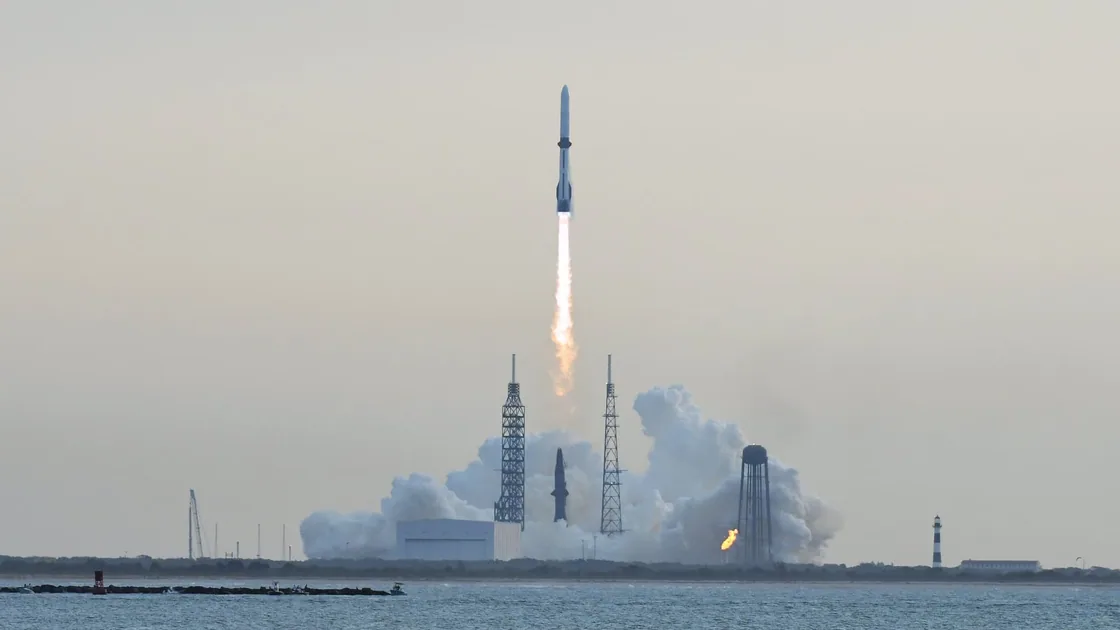
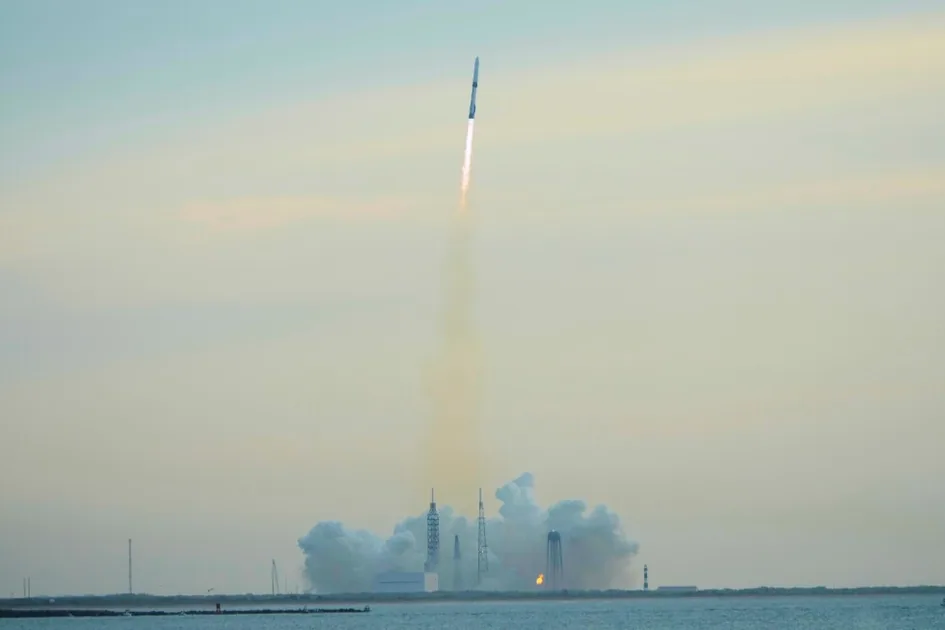
The rocket lifted off from Cape Canaveral Space Force Station on Sunday.
During the flight, the recycled first-stage booster carried out its return successfully and landed on an ocean barge a few minutes after liftoff.
But the mission still failed because the upper stage did not place the satellite high enough to begin service.
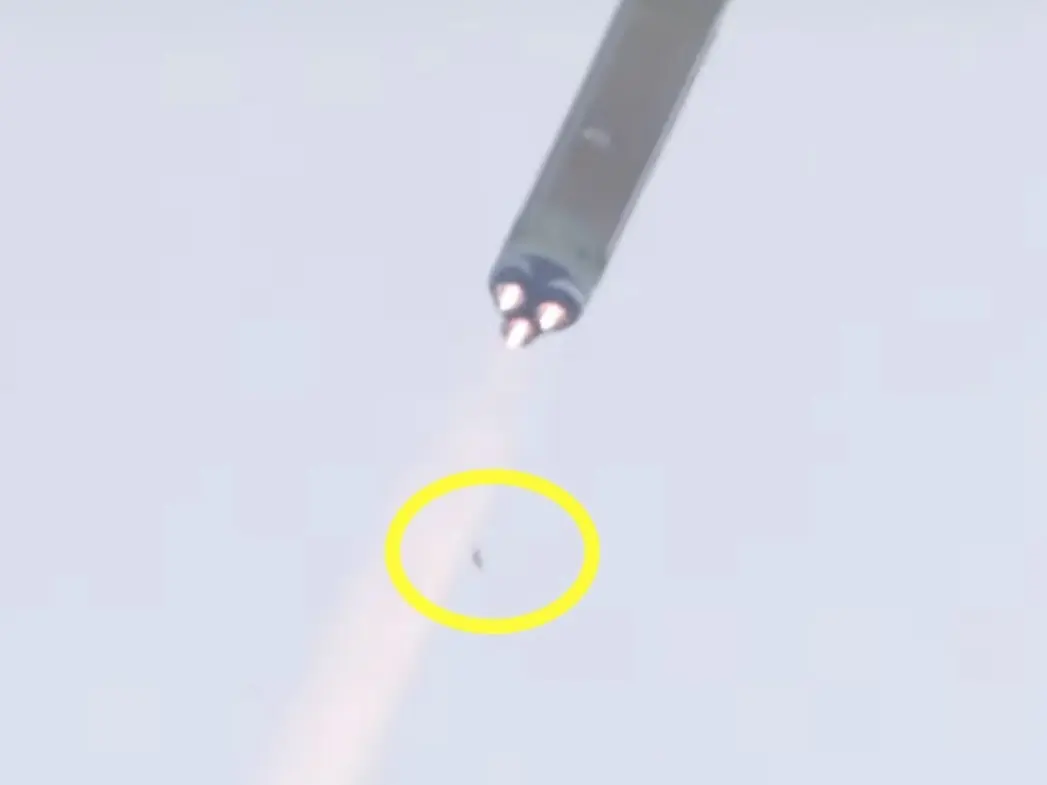
Blue Origin CEO Dave Limp said preliminary data point to one of the upper-stage engines not producing sufficient thrust.
That early finding matches the outcome of the mission, in which the payload was left short of the orbit needed for operations.
Launches of New Glenn are now grounded until Blue Origin and the Federal Aviation Administration complete their investigation.
Satellite lost after wrong orbit
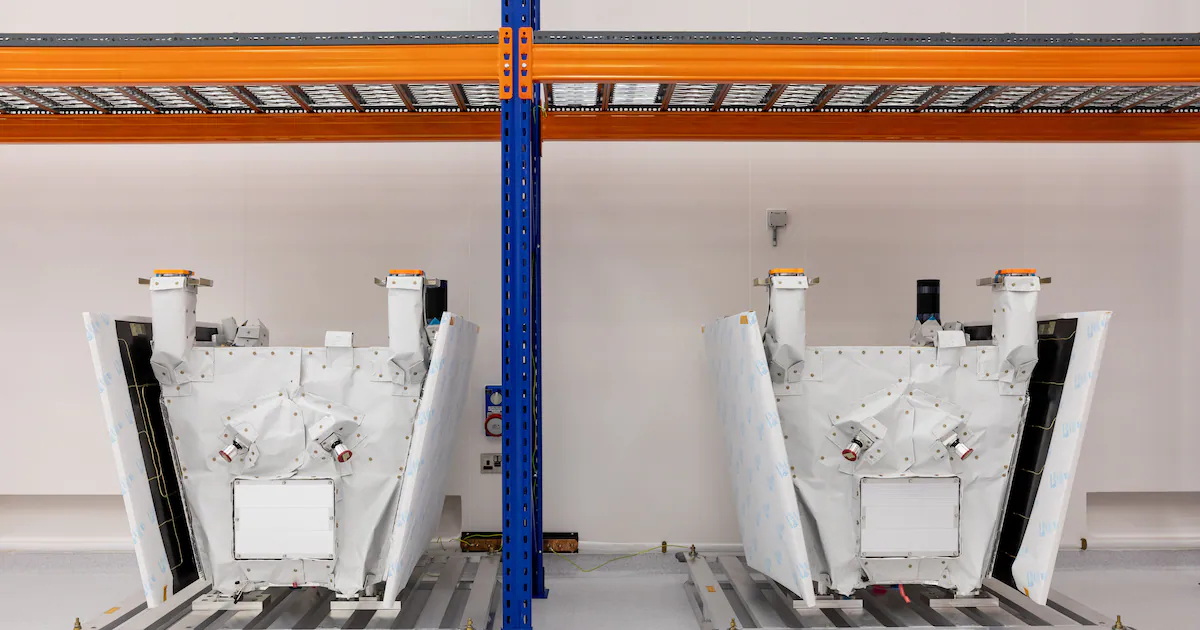
The payload was an AST SpaceMobile satellite.
It had been intended to join the company’s network of spacecraft built to provide direct service between space and smartphones.
Because the rocket’s upper stage failed to send it to a high enough orbit, the satellite could not start its planned work.
According to the U.S. Space Force, both the upper stage and the satellite reentered the atmosphere on Monday.
No additional details were available.
The mission produced a split result for Blue Origin.
The first-stage booster performed well and was recovered on the ocean barge, but the upper stage failed on the part of the flight that mattered most for the satellite.
This was only the third flight of New Glenn, Blue Origin’s large rocket designed to carry spacecraft into orbit.
Broader importance of New Glenn
New Glenn is a heavy rocket that stands more than 320 feet, or 98 meters, tall.
It is named for John Glenn, the first American to orbit Earth in 1962.
The grounding matters beyond this single mission because the vehicle is part of future U.S. space plans.
NASA expects to use New Glenn for launches of Blue Origin’s Blue Moon lunar landers for its Artemis moon effort.
Another vehicle in the broader race to return astronauts to the moon is SpaceX’s Starship, which is also being considered for moon landing missions as early as 2028.
For now, however, New Glenn cannot fly again until the engine issue is examined by Blue Origin and federal regulators.
Blue Origin has said the early evidence points to inadequate thrust from one upper-stage engine, and the failed weekend mission ended with the loss of the AST SpaceMobile satellite after it was placed into an orbit too low for its intended job.
Summary version for Medium
Blue Origin pauses New Glenn flights after AST SpaceMobile payload is left in an unusable...
What the announcement means beyond the headline
Quick Summary: Blue Origin halted New Glenn launches after a weekend mission failed to place an AST SpaceMobile satellite in the required orbit. Dave Limp said early data suggest an upper-stage engine did not deliver enough thrust, while the first-stage booster landed on an ocean barge.
Launch failure grounds rocket
Blue Origin has paused flights of its New Glenn rocket after a weekend mission sent a satellite into the wrong orbit, leaving it unable to operate. The company said Monday that a problem with the upper stage appears to have caused the failed result.
Satellite lost after wrong orbit
The payload was an AST SpaceMobile satellite.
- Point 1: The central topic is science-tech, with the announcement framed around concrete operating detail.
- Point 2: It had been intended to join the company’s network of spacecraft built to provide direct service between space and smartphones.
The useful takeaway is the operating constraint behind the announcement, not the announcement alone.
Broader importance of New Glenn
New Glenn is a heavy rocket that stands more than 320 feet, or 98 meters, tall. It is named for John Glenn, the first American to orbit Earth in 1962.
Read the Full Deep Dive
Want to explore the complete technical analysis, enterprise trade-offs, and detailed metrics?
Read the full article originally published at SendTech Times