Amazon Leo FCC Extension Keeps Starlink Satellite Rivalry Alive
The FCC gave Amazon Leo a 24-month extension for its interim LEO satellite deployment milestone, preserving a path toward a mid-2026 service launch while keeping the July 30, 2029 full-buildout deadline in place.
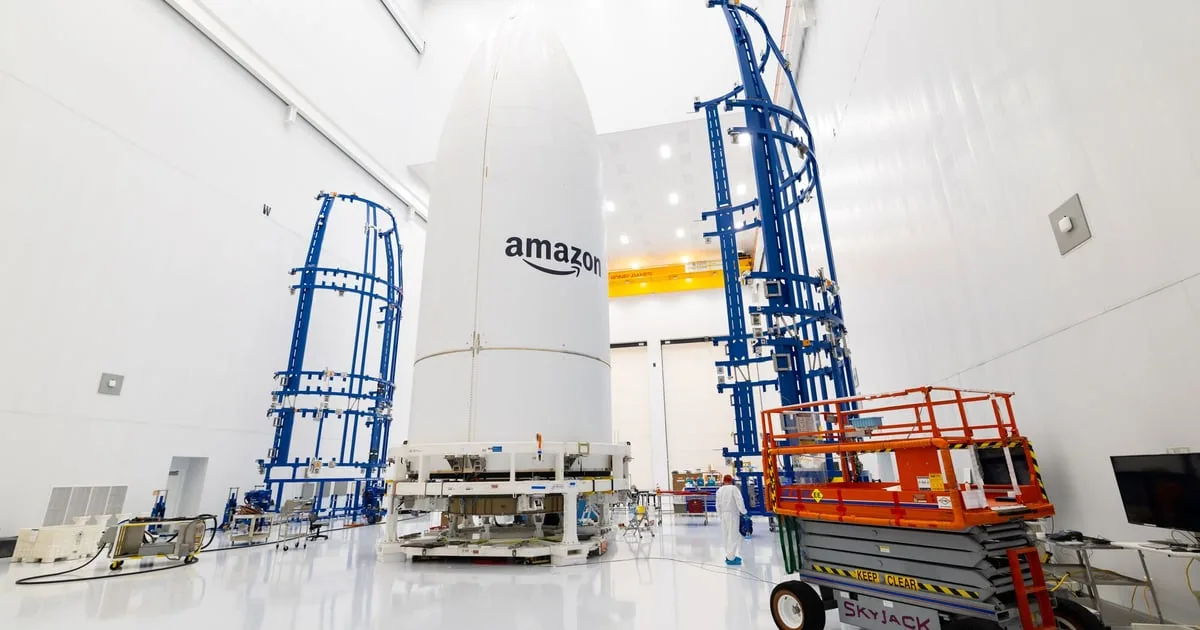
FCC Gives Amazon Leo More Time Against Starlink
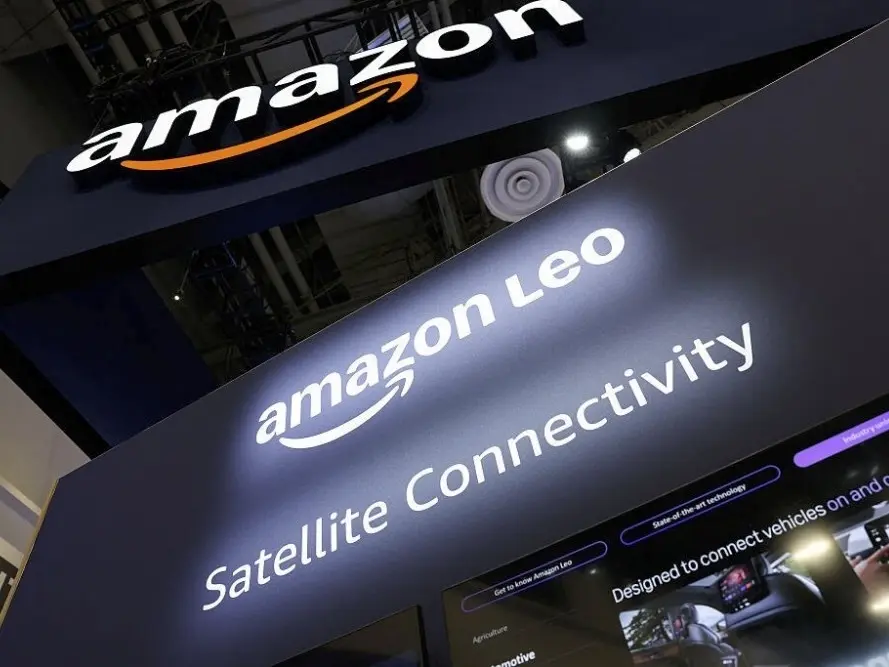
Amazon Leo has won a 24-month extension from the FCC for the first half of its planned low-Earth orbit broadband constellation, keeping its satellite rollout alive as competition with SpaceX’s Starlink intensifies.
The extension gives Amazon Leo until July 30, 2028, to meet the interim deployment milestone for a network that is eventually planned to span 3,236 LEO satellites.
The company kept its full deployment deadline of July 30, 2029.
The decision follows Amazon Leo’s January request, which cited launch delays, difficult weather, technical issues and the prioritization of government launches.
The decision is not a service launch.
It is a regulatory reset that lets Amazon continue building toward commercial availability while preserving pressure on the company to complete the constellation on the current final schedule.
The Deployment Gap Is Still Large
At the time of its request, Amazon Leo had launched 180 satellites.
Its plan called for roughly 700 satellites by the end of July 2026.
The company has launched more than 300 satellites to date and is working toward a planned mid-2026 service launch.
Those figures show both progress and scale risk.
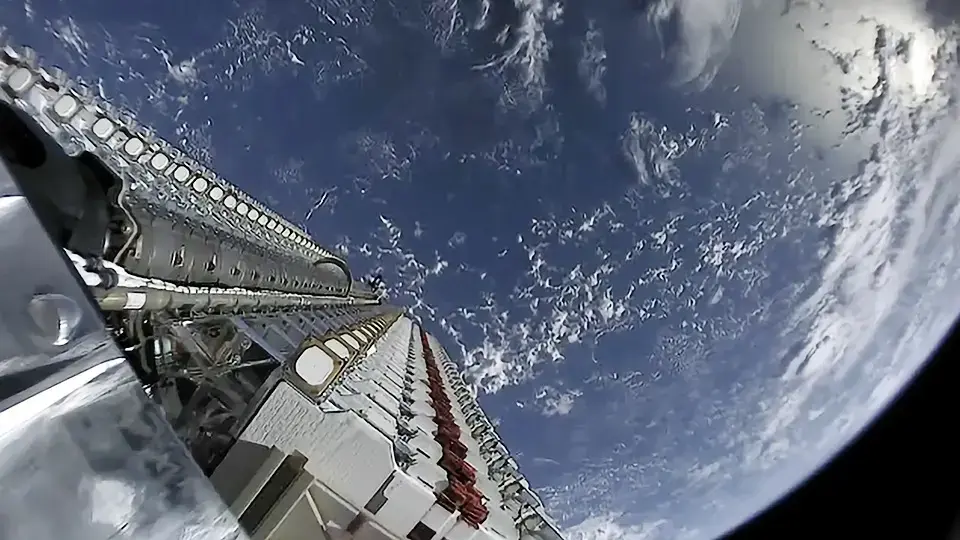
A constellation target of 3,236 satellites leaves Amazon Leo with a long deployment curve, and launch capacity remains a central constraint.
A Blue Origin New Glenn rocket exploded during a prelaunch test late last month, and that vehicle had been set to carry 48 Amazon Leo satellites into orbit.
Amazon Leo has tried to reduce single-launch-provider risk.
New Glenn represents less than 25% of the more than 100 launches secured for the program, and the company continues to work with United Launch Alliance and Arianespace.
Another 29 satellites were launched on a ULA Atlas V rocket on May 29, while 36 are set to launch on June 17 on an Ariane 6 rocket with upgraded boosters.
The FCC Order Keeps Competition In View
The FCC framed the waiver around public interest and competition.
The agency said the extension would support a second large satellite broadband constellation and help bring connectivity to unserved and underserved areas.
That language matters because Starlink already dominates the LEO broadband market.
The order does not remove Amazon Leo’s final obligation.
If the company misses the 100% deployment milestone on July 30, 2029, the FCC will cap Amazon Leo’s authorized satellites at the number operational on that date.
That condition gives the company more time for the interim milestone, but it does not create an open-ended buildout window.
SpaceX objected to the request, arguing that Amazon Leo was seeking special treatment and that the revised plan could interfere with other satellite systems, including Starlink.
The FCC disagreed with the interference assertions and said its order addressed the objections.
Service Proof Still Has To Arrive
Amazon Leo said it is excited to begin rolling out service in the coming months, but pricing and packaging have not been announced.
That missing commercial detail is important because deployment milestones do not by themselves prove broadband competitiveness.
Starlink’s existing scale sets the benchmark.
Starlink already reports scale of 12 million active customers across more than 160 countries and territories.
Earlier figures put paid subscribers at about 10.3 million at the end of Q1 2026.
Amazon Leo therefore has to prove not only that it can launch satellites, but also that it can convert regulatory permission and launch contracts into service coverage, customer equipment, pricing and distribution.
The near-term watchpoint is operational.
Amazon Leo’s next launches, its planned mid-2026 service rollout and the FCC’s July 30, 2028 interim deadline will show whether the extension creates a viable second LEO broadband platform or only delays the gap with Starlink.
Summary version for Medium
Amazon Leo FCC Extension Keeps Starlink Satellite Rivalry Alive
What the announcement means beyond the headline
Quick Summary: The FCC gave Amazon Leo a 24-month extension for its interim LEO satellite deployment milestone, preserving a path toward a mid-2026 service launch while keeping the July 30, 2029 full-buildout deadline in place.
FCC Gives Amazon Leo More Time Against Starlink
Amazon Leo has won a 24-month extension from the FCC for the first half of its planned low-Earth orbit broadband constellation, keeping its satellite rollout alive as competition with SpaceX’s Starlink intensifies. The extension gives Amazon Leo until July 30, 2028, to meet the interim deployment milestone for a network that is eventually planned to span 3,236 LEO satellites.
The Deployment Gap Is Still Large
At the time of its request, Amazon Leo had launched 180 satellites.
- Point 1: The central topic is satellite broadband, with the announcement framed around concrete operating detail.
- Point 2: Its plan called for roughly 700 satellites by the end of July 2026.
The useful takeaway is the operating constraint behind the announcement, not the announcement alone.
The FCC Order Keeps Competition In View
The FCC framed the waiver around public interest and competition. The agency said the extension would support a second large satellite broadband constellation and help bring connectivity to unserved and underserved areas.
Read the Full Deep Dive
Want to explore the complete technical analysis, enterprise trade-offs, and detailed metrics?
Read the full article originally published at SendTech Times