US Visa Restrictions Extend Cyber Scam Crackdown To Family Members
The State Department is using visa restrictions against people linked to cyber-enabled scams and sextortion, with CyberScoop reporting that immediate family members can also face limits under the new policy.
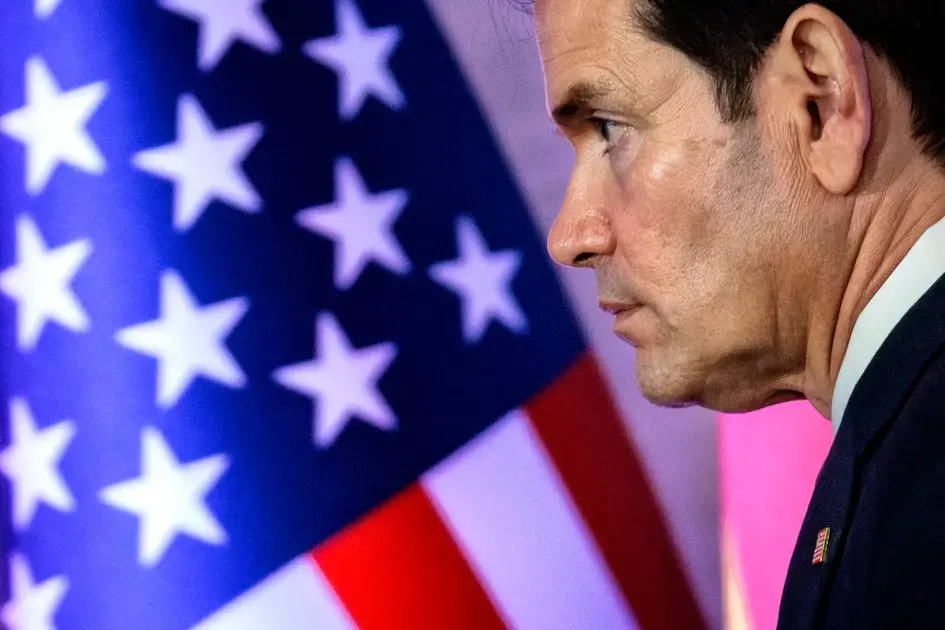
Visa controls are becoming part of Washington’s cybercrime response, with the State Department extending restrictions to people linked to cyber-enabled scams and sextortion and, in some cases, their immediate family members.
CyberScoop reported that Secretary of State Marco Rubio announced the policy on Thursday.
The restriction moves a fraud and sextortion crackdown beyond prosecutions and infrastructure seizures by tying access to the United States to alleged involvement in overseas scam networks.
Visa Controls Target Cyber-Enabled Fraud
Rubio’s statement covers individuals responsible for, or complicit in, cybercrime and cyber-enabled crime, including cyberscams and sextortion.
The State Department can also apply the limits to immediate family members of people engaged in those activities.
CyberScoop reported that the policy follows a March executive order that identified visa restrictions as one possible response to foreign-based scams.
The Department of Justice also seized infrastructure in June from subsidiaries of Huione Group, a Cambodia-based conglomerate linked to a major criminal marketplace used for cyber scams and other crimes.
A 1952 Law Gives State Department Authority
Rubio authorised the restrictions under a 1952 law that lets the State Department deport or rule as inadmissible a person who poses “potentially serious adverse foreign policy consequences.” The same legal route has drawn criticism from opponents who accuse the Trump administration of using it too broadly for political purposes.
The immigration tool is narrower than a criminal case because it affects travel eligibility rather than proving guilt in court.
It can still reach foreign-based actors who may sit outside easy arrest or extradition channels, especially when scam compounds, payment networks and victim targeting span multiple jurisdictions.
The disputed legal basis adds a policy risk to the cybercrime response.
Rubio’s public statement does not set out the evidence threshold for applying a travel penalty to relatives as well as suspected scammers.
Experts Split Deterrence From Due Process Risk
Betsy Cooper, founding director of the Aspen Policy Academy, told CyberScoop the controls could help if they are used narrowly against verified scammers and fraudsters.
Her caveat puts verification at the centre of the policy, because family-member restrictions increase the need for clear evidence before the State Department applies a travel penalty.
FightCyberCrime.org welcomed cross-border accountability for cryptocurrency investment scams, romance scams and sextortion, while also calling for more victim support, prevention and recovery resources.
The victim-support point keeps the policy from becoming only a punishment measure: people harmed by transnational scams still need recovery help after a visa restriction is imposed.
The visa policy leaves the evidentiary threshold for identifying verified scammers outside the public record.
That threshold will determine whether the new restrictions operate as a targeted cybercrime tool or become another contested use of immigration authority.
Summary version for Medium
US Visa Restrictions Extend Cyber Scam Crackdown To Family Members
What the policy signal means for operators and investors
Quick Summary: The State Department is using visa restrictions against people linked to cyber-enabled scams and sextortion, with CyberScoop reporting that immediate family members can also face limits under the new policy.
Visa Controls Target Cyber-Enabled Fraud
Rubio’s statement covers individuals responsible for, or complicit in, cybercrime and cyber-enabled crime, including cyberscams and sextortion. The State Department can also apply the limits to immediate family members of people engaged in those activities.
A 1952 Law Gives State Department Authority
Rubio authorised the restrictions under a 1952 law that lets the State Department deport or rule as inadmissible a person who poses “potentially serious adverse foreign policy consequences.” The same legal route has drawn criticism from opponents who accuse the Trump...
- Point 1: The central topic is capital-policy, with the announcement framed around concrete operating detail.
- Point 2: The immigration tool is narrower than a criminal case because it affects travel eligibility rather than proving guilt in court.
The headline matters only if the approval path, compliance burden and operating limits line up.
Experts Split Deterrence From Due Process Risk
Betsy Cooper, founding director of the Aspen Policy Academy, told CyberScoop the controls could help if they are used narrowly against verified scammers and fraudsters. Her caveat puts verification at the centre of the policy, because family-member restrictions increase the need for clear evidence before the State Department applies a travel penalty.
Read the Full Deep Dive
Want to explore the complete technical analysis, enterprise trade-offs, and detailed metrics?
Read the full article originally published at SendTech Times