NTT’s Amazon Leo Deals Move Satellite Broadband Toward Japan’s Enterprise Networks
NTT group companies signed Amazon Leo reseller agreements by June 9, setting up technical validation for satellite broadband services aimed at companies, government agencies, disaster backup and Docomo base-station backhaul in Japan.
Reseller Deals Put Leo Into NTT’s Domestic Channel
NTT is turning Amazon Leo from a strategic satellite partnership into a more concrete Japan connectivity plan.
On June 11, the group said NTT Docomo Business, NTT-ME and NTT Media Supply had signed reseller agreements with Amazon Leo by June 9.
The step does not mean an immediate nationwide commercial launch.
NTT said the companies will run technical verification and examine service details before arranging how the service will be offered to Japanese businesses and public agencies.
That makes the agreements a channel and readiness move for Japan: Amazon supplies the low Earth orbit satellite network, while NTT prepares the local enterprise, public-sector and integration layer for domestic adoption.
Why Satellite Broadband Fits NTT’s Infrastructure Problem
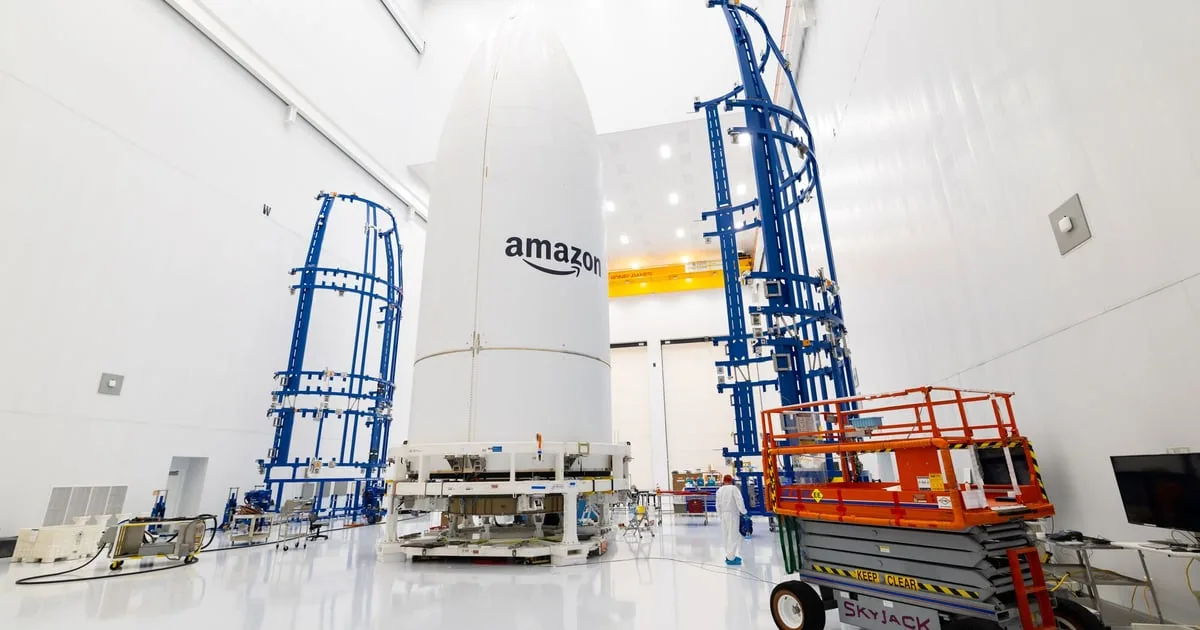
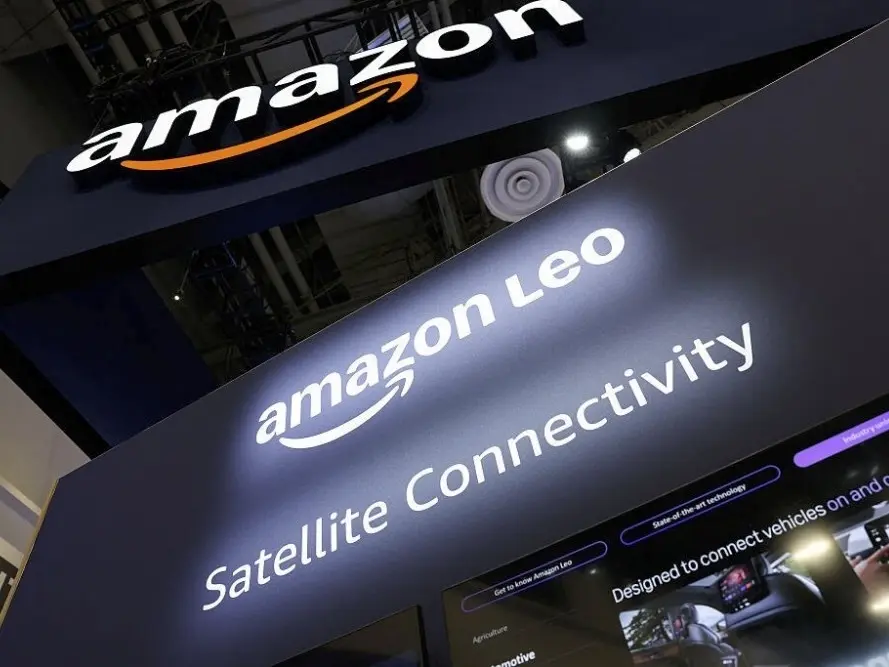
Amazon Leo, formerly Project Kuiper, is designed around thousands of satellites, a secure terrestrial network and compact high-performance antennas.
Its connectivity target is broad geographic reach with high-speed and low-latency performance.
For NTT, the important use case is not consumer broadband alone; it is resilient connectivity where terrestrial coverage is fragile, unavailable or operationally expensive.
NTT linked the expansion to two pressure points in Japan: disaster resilience and aging infrastructure.
The group is moving toward more distributed network architecture while also retaining control of satellite and communications assets.
That framing gives the deal a public-infrastructure angle, because Leo can be used as a backup path when ground networks are disrupted and as an upgrade path for places that are difficult to reach with conventional fixed infrastructure.
Remote Areas, IoT And Base-Station Backhaul Are The Test Cases
The planned use cases are specific.
NTT listed disaster backup lines, better links for remote districts, islands and mountain communities, and connectivity services across mobility, IoT and industrial applications.
Those markets need more than satellite capacity; they require provisioning, service assurance, service delivery and integration with existing ground networks.
That is where NTT’s domestic role matters.
The group said it will use its strengths in terrestrial networks and system integration.
Under the NTT C89 space business brand, it plans to combine non-terrestrial networks, or NTN, including Amazon Leo, with terrestrial networks through TN-NTN integration.
The stated goal is seamless connectivity in all places, but the near-term proof will be whether validation work can turn those use cases into reliable managed services.
The Backhaul Signal For Japan’s Critical Communications
Amazon Leo’s Global Business head Trevor Voeweg tied the collaboration to Japan’s critical communications resilience and singled out Leo backhaul for NTT Docomo base stations.
That is the most strategic detail in the announcement, because mobile network backhaul can turn satellite broadband from a niche remote-access product into part of telecom continuity planning.
Takashi Ebihara, NTT senior executive vice president, framed the agreement as a step toward making satellite communications part of practical social infrastructure.
The source does not provide pricing, launch dates, capacity targets or named enterprise customers.
Until those details emerge, the agreement should be read as infrastructure positioning: NTT is preparing to package Amazon’s low Earth orbit network for Japanese enterprise and government resilience rather than simply reselling another broadband product into the market.
Summary version for Medium
NTT’s Amazon Leo Deals Move Satellite Broadband Toward Japan’s Enterprise Networks
What the announcement means beyond the headline
Quick Summary: NTT group companies signed Amazon Leo reseller agreements by June 9, setting up technical validation for satellite broadband services aimed at companies, government agencies, disaster backup and Docomo base-station backhaul in Japan.
Reseller Deals Put Leo Into NTT’s Domestic Channel
NTT is turning Amazon Leo from a strategic satellite partnership into a more concrete Japan connectivity plan. On June 11, the group said NTT Docomo Business, NTT-ME and NTT Media Supply had signed reseller agreements with Amazon Leo by June 9.
Why Satellite Broadband Fits NTT’s Infrastructure Problem
Amazon Leo, formerly Project Kuiper, is designed around thousands of satellites, a secure terrestrial network and compact high-performance antennas.
- Point 1: The central topic is satellite broadband, with the announcement framed around concrete operating detail.
- Point 2: Its connectivity target is broad geographic reach with high-speed and low-latency performance.
AI deployments now depend on where models, data, approvals and operating teams meet.
Remote Areas, IoT And Base-Station Backhaul Are The Test Cases
The planned use cases are specific. NTT listed disaster backup lines, better links for remote districts, islands and mountain communities, and connectivity services across mobility, IoT and industrial applications.
Read the Full Deep Dive
Want to explore the complete technical analysis, enterprise trade-offs, and detailed metrics?
Read the full article originally published at SendTech Times