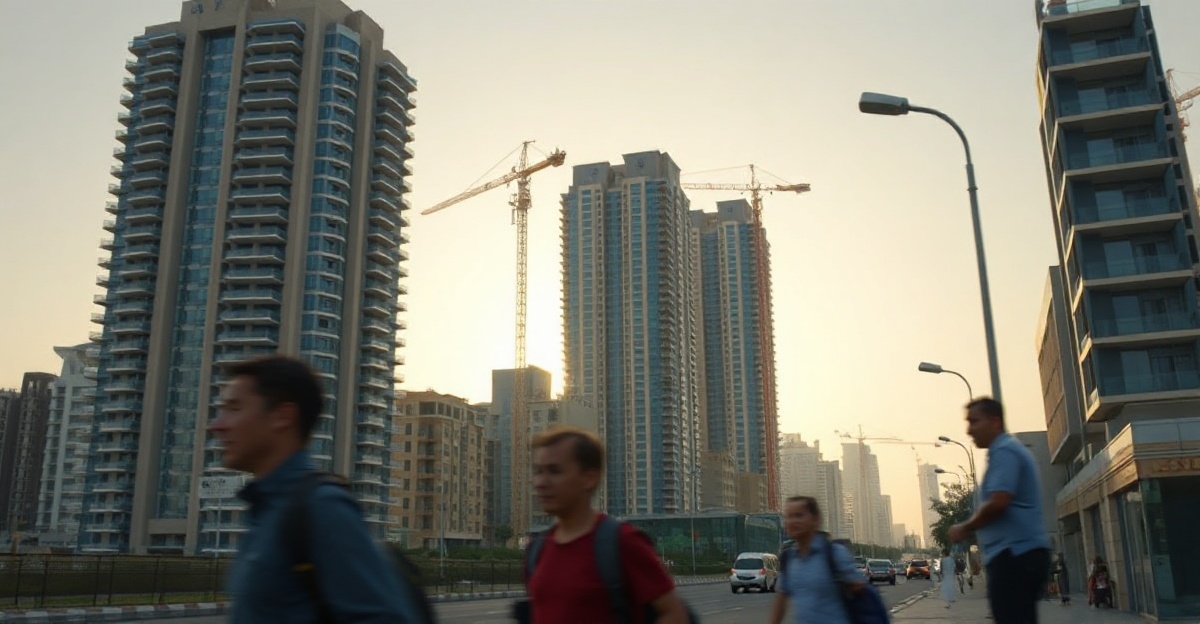
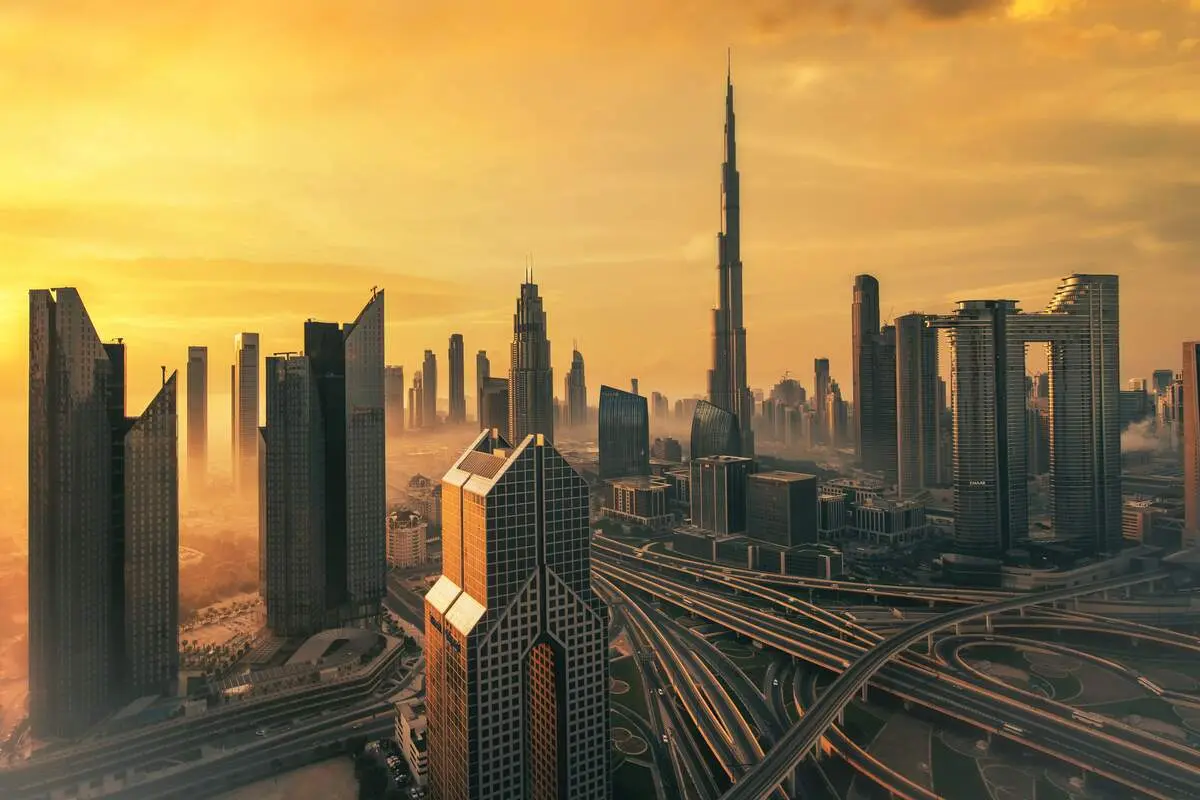
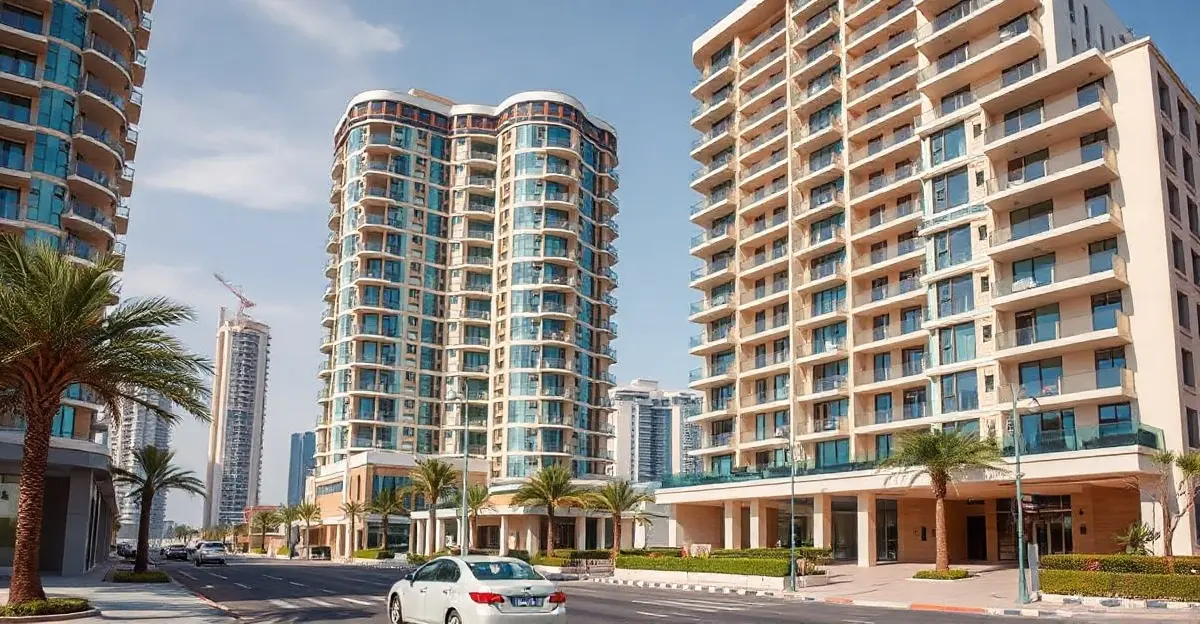
Dubai Property Market Transitions to Long-Term Investment Focus
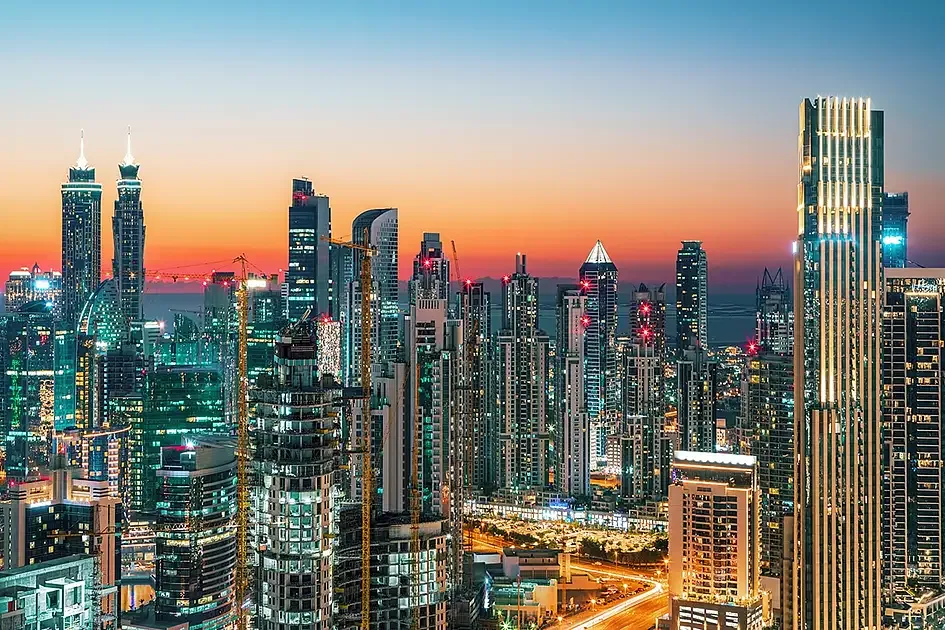
Dubai's real estate market is increasingly viewed as a long-term investment destination. The average time for renters to become homeowners has decreased to 4.8 years. A growing investor base reflects heightened confidence in the UAE economy.
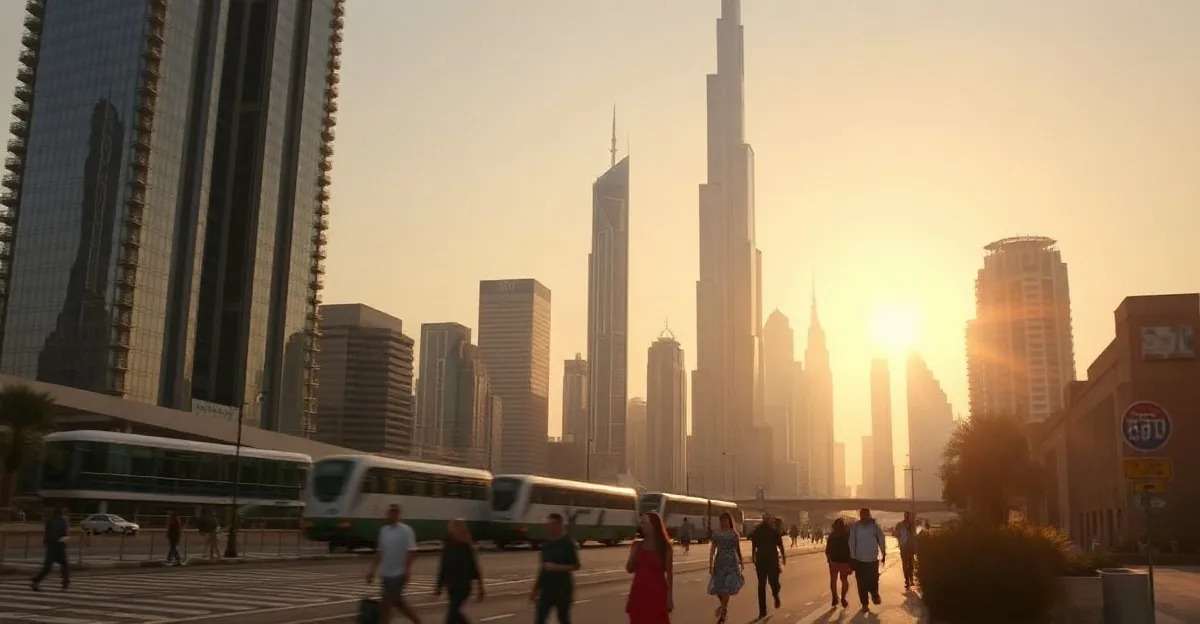
Dubai's real estate sector is evolving, with a notable shift toward long-term investments.
The average duration for renters to transition into homeowners in the UAE has now dropped to 4.8 years, according to Nagham Hassan, a market analyst at eToro.
This change indicates a preference for stability and ownership rather than short-term trading.
The trend is supported by a growing investor base, which expanded to over 193,000 active participants in 2025.
Resident investors comprised more than half of total investments by value, showcasing increasing confidence in the UAE's economic stability.
Transaction Growth
In the first quarter of 2026, Dubai's real estate transactions reached Dh252 billion, marking a 31% increase year-on-year.
This follows a record-breaking Dh917 billion in transactions during 2025.
The strong demand, rapid property launches, and limited supply in key areas are prompting buyers to make quicker decisions on long-term purchases.
Price Trends
Property prices in Dubai rose by 9.81% last year, a moderation from the double-digit increases seen in previous years.
This trend reflects a more balanced market as it matures.
Market Resilience
Despite geopolitical tensions earlier in the year, the market demonstrated resilience.
February transactions peaked at Dh84 billion but dipped to Dh56 billion in March due to uncertainty.
However, sales rebounded by 23% in April, reaching Dh69 billion, signaling renewed investor confidence.
Developer Performance
The positive market conditions are also reflected in the performance of listed real estate developers.
Emaar Properties reported a revenue backlog of Dh163.4 billion, up 29% year-on-year.
In contrast, Aldar Properties saw a 12% increase in revenue and a 22% rise in EBITDA, with total liquidity at Dh38.2 billion.
Future Outlook
Analysts believe that a resolution to regional conflicts could further unlock pent-up demand in the market.
The long-term outlook for Dubai's real estate remains robust, supported by escrow-protected sales and strong project pipelines.
As the market continues to evolve, keeping an eye on future regulatory and market developments will be crucial.
Summary version for Medium
Dubai Property Market Transitions to Long-Term Investment Focus
What the announcement means beyond the headline
Quick Summary: Dubai's real estate market is increasingly viewed as a long-term investment destination. The average time for renters to become homeowners has decreased to 4.8 years.
Transaction Growth
In the first quarter of 2026, Dubai's real estate transactions reached Dh252 billion, marking a 31% increase year-on-year. This follows a record-breaking Dh917 billion in transactions during 2025.
Price Trends
Property prices in Dubai rose by 9.81% last year, a moderation from the double-digit increases seen in previous years.
- Point 1: The central topic is real estate, with the announcement framed around concrete operating detail.
- Point 2: This trend reflects a more balanced market as it matures.
The useful takeaway is the operating constraint behind the announcement, not the announcement alone.
Market Resilience
Despite geopolitical tensions earlier in the year, the market demonstrated resilience. February transactions peaked at Dh84 billion but dipped to Dh56 billion in March due to uncertainty.
Read the Full Deep Dive
Want to explore the complete technical analysis, enterprise trade-offs, and detailed metrics?
Read the full article originally published at SendTech Times