Tesla Optimus Suppliers Told To Reach 2,500 Units A Week By Year-End
Sina Finance, citing LatePost, reported that Tesla issued Optimus parts procurement guidance asking suppliers to reach 1,000 units per week in September and 2,000 to 2,500 units per week by year-end. The report said Elon Musk approved the latest Optimus Gen 3 version in late June, but Tesla has not published supplier names, factory sites or purchase-order documents.
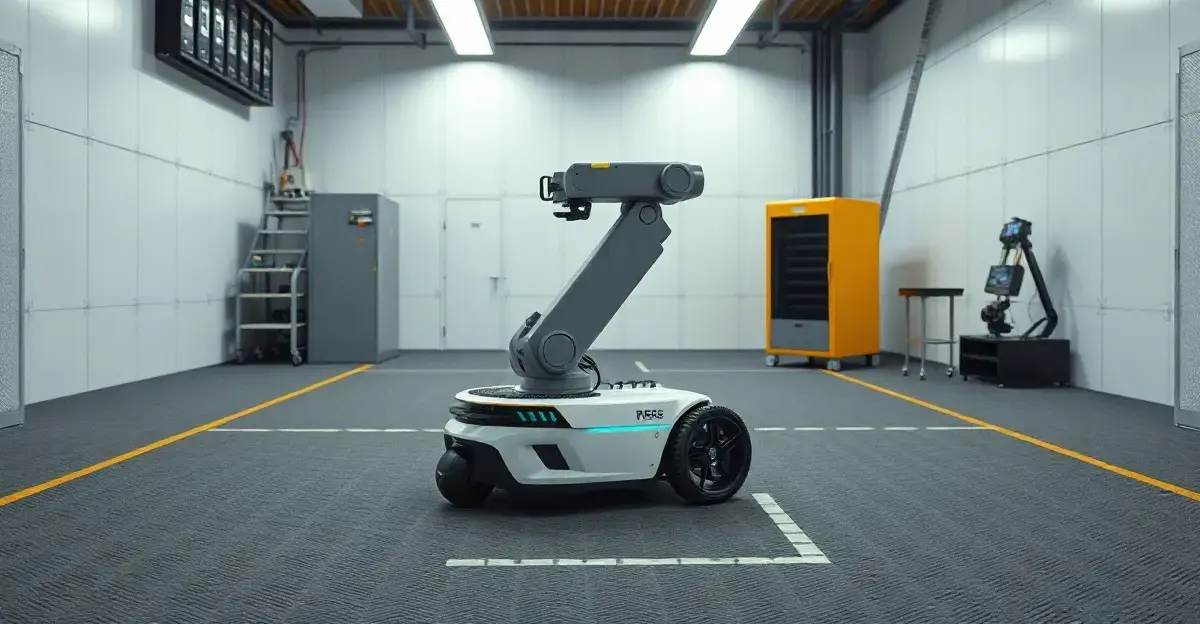
Tesla has reportedly given suppliers a sharper production signal for its third-generation Optimus humanoid robot, with Sina Finance carrying a LatePost update that says parts makers were told to reach 1,000 units per week in September and 2,000 to 2,500 units per week by year-end.
The report described the guidance as a change after repeated delays for the third-generation Optimus programme.
It said some suppliers had previously relied on emails to show investors that Elon Musk still intended to keep the robot project moving.
Tesla Optimus Parts Guidance Sets A September Capacity Target
Several Tesla supply-chain people told the outlet that Tesla recently issued specific Optimus component procurement guidance.
Under that reported timetable, the September level is 1,000 units per week and the year-end level is 2,000 to 2,500 units per week.
The source also cited two people close to suppliers on Tesla's ordering rhythm.
They said orders are normally placed roughly two months ahead and that suppliers had already seen concrete August orders covering several hundred units, giving the supply chain a nearer-term signal before the larger year-end target.
Sina Finance/LatePost used those figures to estimate that Tesla suppliers would be able to supply parts for 100,000 Optimus units per year by the end of the year.
That estimate remains tied to the cited ordering pattern and supplier comments rather than a public Tesla production plan.
Late-June Meeting Reportedly Approved Optimus Gen 3
The same update said the new supply-chain guidance followed a late-June executive meeting where Musk reviewed and approved the latest Optimus version.
The report said that approval means Optimus Gen 3 is moving from more than three years of research and development toward mass production.
The account also described a hard deadline from Musk.
The two supply-chain people cited by the outlet said the procurement team could be dismissed if the year-end capacity target is not reached.
The reported deadline sits alongside the capacity targets and supplier-order details, but the update did not include Tesla's own procurement notice, meeting record or purchase-order documents.
Supplier Claims Still Lack Tesla Purchase-Order Evidence
For the robotics sector, the reported capacity targets matter because they put weekly volumes, month markers and an annual component-capacity estimate around Optimus Gen 3.
They also indicate that Tesla may be trying to turn a long-running prototype effort into a supplier-scale manufacturing programme.
This article is based on a Sina Finance company-news item carrying a LatePost update, not a Tesla filing or public purchase-order release.
Tesla did not disclose named suppliers, purchase-order documents, final Optimus specifications or a confirmed Gen 3 commercial launch date.
Tesla did not disclose named suppliers, component categories, factory sites, purchase-order documents, final Optimus specifications, customer deployment schedules, or a confirmed Gen 3 commercial launch date.
Summary version for Medium
Tesla Optimus Suppliers Told To Reach 2,500 Units A Week By Year-End
What the announcement means beyond the headline
Quick Summary: Sina Finance, citing LatePost, reported that Tesla issued Optimus parts procurement guidance asking suppliers to reach 1,000 units per week in September and 2,000 to 2,500 units per week by year-end. The report said Elon Musk approved the latest Optimus Gen 3 version in late June, but Tesla has not published supplier names, factory sites or purchase-order...
Tesla Optimus Parts Guidance Sets A September Capacity Target
Several Tesla supply-chain people told the outlet that Tesla recently issued specific Optimus component procurement guidance. Under that reported timetable, the September level is 1,000 units per week and the year-end level is 2,000 to 2,500 units per week.
Late-June Meeting Reportedly Approved Optimus Gen 3
The same update said the new supply-chain guidance followed a late-June executive meeting where Musk reviewed and approved the latest Optimus version.
- Point 1: The central topic is ai, with the announcement framed around concrete operating detail.
- Point 2: The report said that approval means Optimus Gen 3 is moving from more than three years of research and development toward mass production.
The headline matters only if the approval path, compliance burden and operating limits line up.
Supplier Claims Still Lack Tesla Purchase-Order Evidence
For the robotics sector, the reported capacity targets matter because they put weekly volumes, month markers and an annual component-capacity estimate around Optimus Gen 3. They also indicate that Tesla may be trying to turn a long-running prototype effort into a supplier-scale manufacturing programme.
Read the Full Deep Dive
Want to explore the complete technical analysis, enterprise trade-offs, and detailed metrics?
Read the full article originally published at SendTech Times