China Trade Curbs Put AI And Defense Suppliers Back In The Control Loop
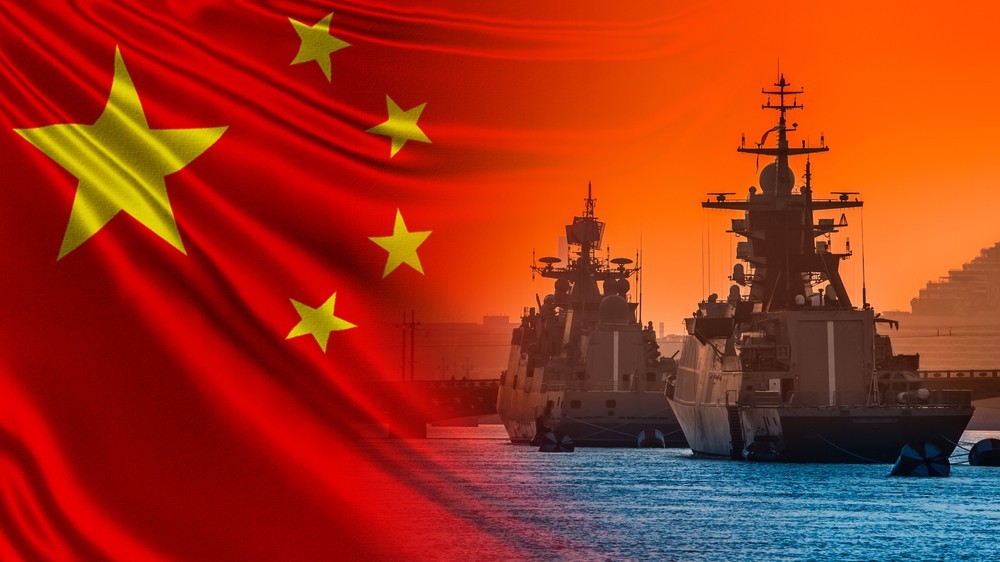
China put 10 U.S. industrial suppliers on an export control list and excluded 46 companies from government procurement, answering the Pentagon’s latest 1260H designations of Chinese technology firms.
Beijing Answers The Pentagon List
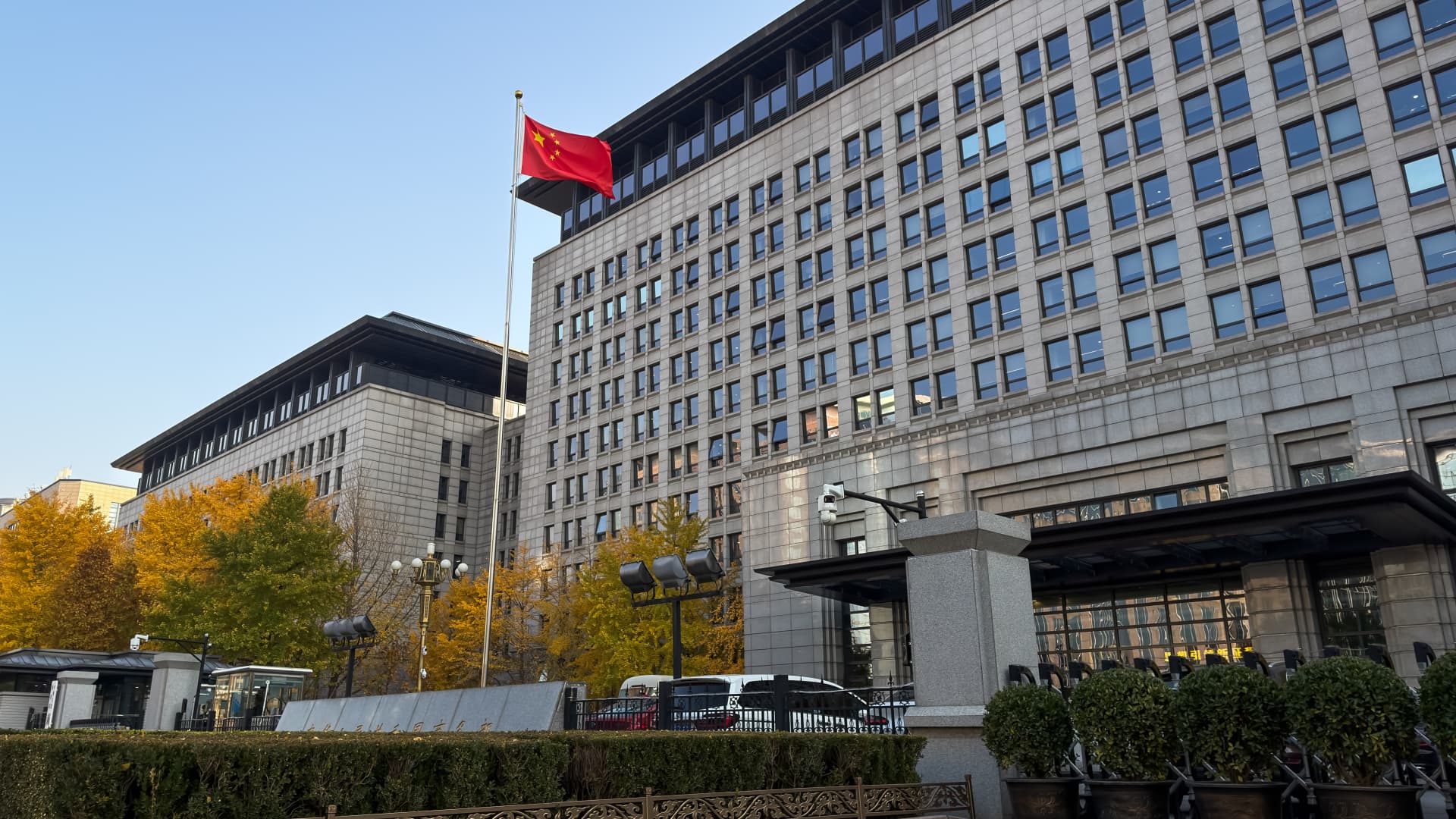
China has put new restrictions on U.S. industrial and defense-linked companies, turning the latest Pentagon technology designations into a procurement and export-control exchange.
Beijing’s export-control order names 10 American industrial suppliers.
Rare earth groups MP Materials Corp and USA Rare Earth are on the list, along with Teal Drones, Jaia Robotics, Aveox Inc, Ball Aerospace & Technologies Corp and Oshkosh Defense.
The restriction bars exports of dual-use items originating in China to the listed companies.
A separate Finance Ministry move excludes 46 U.S. companies, mostly defense contractors, from Chinese government procurement projects, while exempting locally registered foreign-funded entities associated with them.
The 1260H List Is The Trigger
The Chinese measures follow the Pentagon’s update to its 1260H list, which names companies Washington believes have aided Beijing’s military.
The latest additions included Alibaba Group, Baidu and BYD.
The 1260H label does not impose immediate sanctions.
From June 30, affected companies lose eligibility for direct U.S. Department of Defense contracts, and indirect procurement limits follow in 2027.
The commercial consequence can be wider than the formal rule because other federal agencies and private partners may avoid listed companies.
Chinese officials had already said they would take measures to protect Chinese companies’ rights and criticized Washington for using national-security lists in a discriminatory way.
Symbolic Measures Still Shape Supplier Risk
Han Shen Lin, China country director at The Asia Group, described Beijing’s response as mostly symbolic, not a major escalation, because the targeted U.S. companies generally have little meaningful exposure to China.
Even symbolic controls matter for technology suppliers.
The lists put rare earths, drones, electronics, defense procurement and Chinese platform companies into the same retaliation cycle.
For companies selling into government, cloud, AI, consumer electronics or defense-adjacent markets, the operating risk is not only direct sanctions but customer caution around future access.
Dan Wang of Eurasia Group said the move shows how China may respond to mild U.S. escalation while trying to keep the broader relationship stable.
That makes the action a warning for procurement teams even if the immediate commercial exposure is narrow.
A supplier can sit outside China’s largest markets and still become part of a list-driven dispute when its products touch rare earths, drones, electronics, defense systems or strategic technology.
Technology Boundaries Keep Expanding
Analysts said the Pentagon’s move shows how widely Washington is drawing the line around sensitive Chinese technology, from artificial intelligence and consumer electronics to biotech.
Several Chinese firms have disputed their designations and pledged legal action.
Xiaomi previously won a court challenge that led to its designation being removed in May 2021.
For technology companies, the unresolved issue is whether these lists remain targeted signaling tools or become a broader compliance map for suppliers, government buyers and commercial partners on both sides of the U.S.-China technology split.