India’s AI Startups Turn Enterprise Demand Into A Hiring Premium
Indian AI startups are hiring faster than the broader startup market as enterprise deployments move beyond experiments, with recruitment firms pointing to higher mandates and pay premiums for hands-on AI deployment skills.

AI Startups Are Hiring Against A Cooler Tech Market
Indian AI startups are expanding teams while much of the broader technology job market remains cautious, turning enterprise demand for generative AI, agentic systems and automation into a hiring race.
Recruitment and search firms said mandates have risen over the past year as AI-native startups and AI-first companies move from product experiments into larger deployments.
The demand is spread across engineering, product, research and customer-facing roles rather than only model-building teams.
Foundit put hiring by AI startups up 21% year on year as of May, compared with 12% growth across the wider startup ecosystem.
Fidius Advisory said mandates from AI startups have increased 35-40%, while Careernet said AI-related mandates are growing faster than broader technology hiring.
Deployment Skills Are Becoming The Scarce Asset
The hiring pressure is tied to companies trying to turn AI tools into operating products.
Qure.ai is adding people across AI research, engineering, product and clinical roles to support healthcare AI customers.
Fractal said demand spans AI, GenAI, data engineering, cloud, product development and consulting.
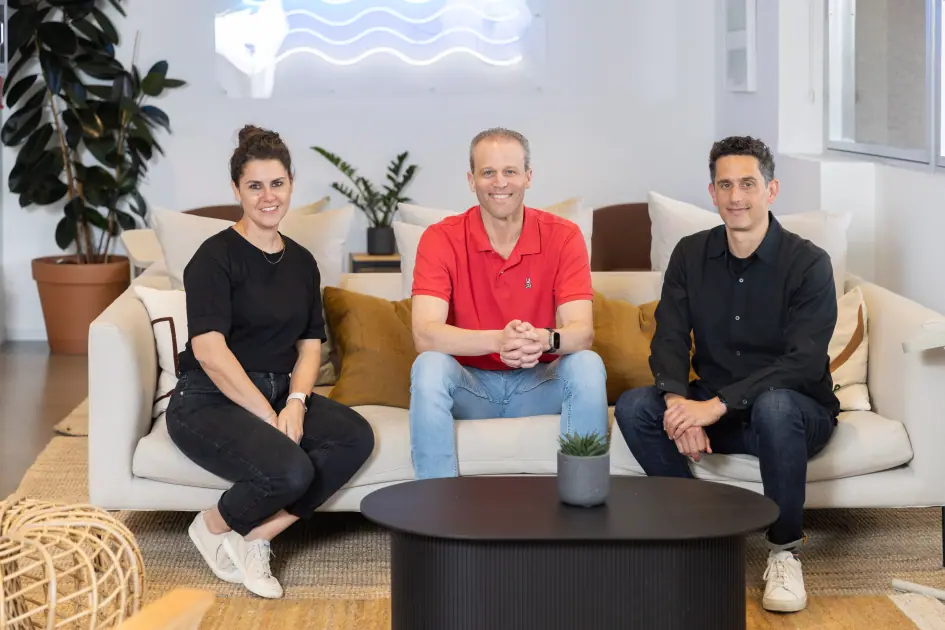
Redrob AI chief executive Felix Kim said the company expects a 40-50% headcount expansion over the next year, with hiring concentrated in AI/ML engineering, GenAI infrastructure, product development and platform engineering.
Observe.AI is hiring research engineers, application engineers and forward-deployed engineers.
The labour-market signal is that AI demand is moving beyond labs into implementation.
Companies need people who can build systems, integrate them with customer workflows and support adoption after deployment.
Pay Is Rising For Hands-On AI Experience
The shortage is showing up in compensation.
Fidius Advisory said employers want evidence that candidates have built AI-powered tools and platforms, not just worked around larger engineering teams.
Careernet said mid-level AI professionals are earning 15-20% more than traditional software engineering peers.
Senior AI specialists can command 20-40% more when they have shipped products based on GenAI or LLM technology.
Pay bands show how tight the market has become.
Careernet cited about Rs 25 lakh for early-career AI engineers, Rs 1 crore for senior individual contributors and founding engineers, and Rs 1.5 crore and more for leadership roles with proven AI expertise.
Commercial Roles Are Joining The AI Buildout
Foundit’s data gives technology and AI roles a 38% share, the largest slice of recruitment.
The same dataset shows that nearly two-thirds of hiring by AI-led startups sits outside core AI functions.
That mix points to a different stage of the market.
As startups move from building products to selling, implementing and supporting them, consulting, product, sales and customer-facing roles become part of the AI scale-up problem.
For Indian AI startups, the operating constraint is no longer only whether enterprises will test the technology.
It is whether companies can hire enough people with deployment experience to turn AI pilots into repeatable commercial systems.