Adani And Jabil Turn India’s AI Data-Center Push Into A Hardware Test
Adani Group and Jabil plan to manufacture high-density AI racks, cooling systems and power equipment in India, but their data-center hardware roadmap still lacks a definitive launch timeline.
Adani And Jabil Put AI Racks Inside India’s Manufacturing Push
Adani Group has partnered with Jabil Inc to build AI and data-center infrastructure in India, adding a hardware-manufacturing layer to the country’s data-sovereignty and cloud-capacity race.
The plan centers on multi-gigawatt manufacturing capacity for high-density AI racks.
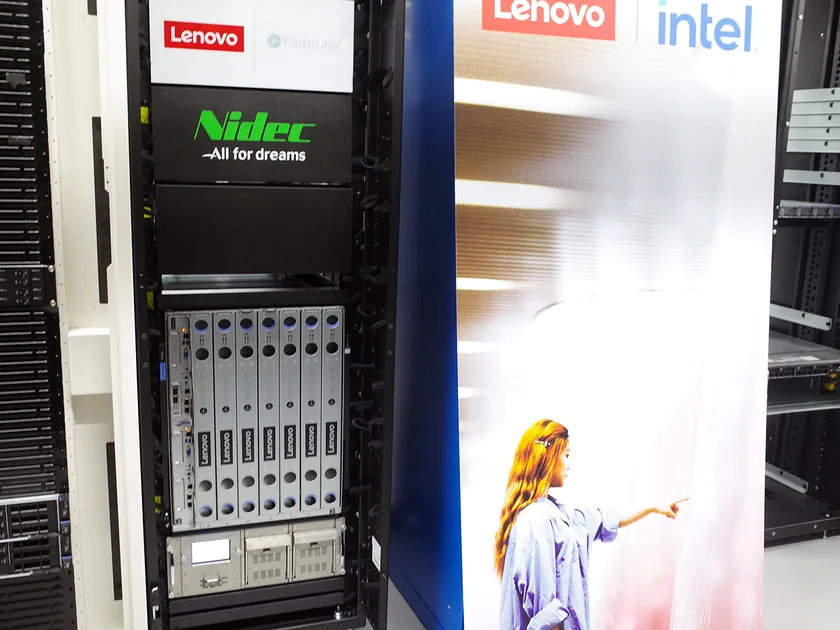
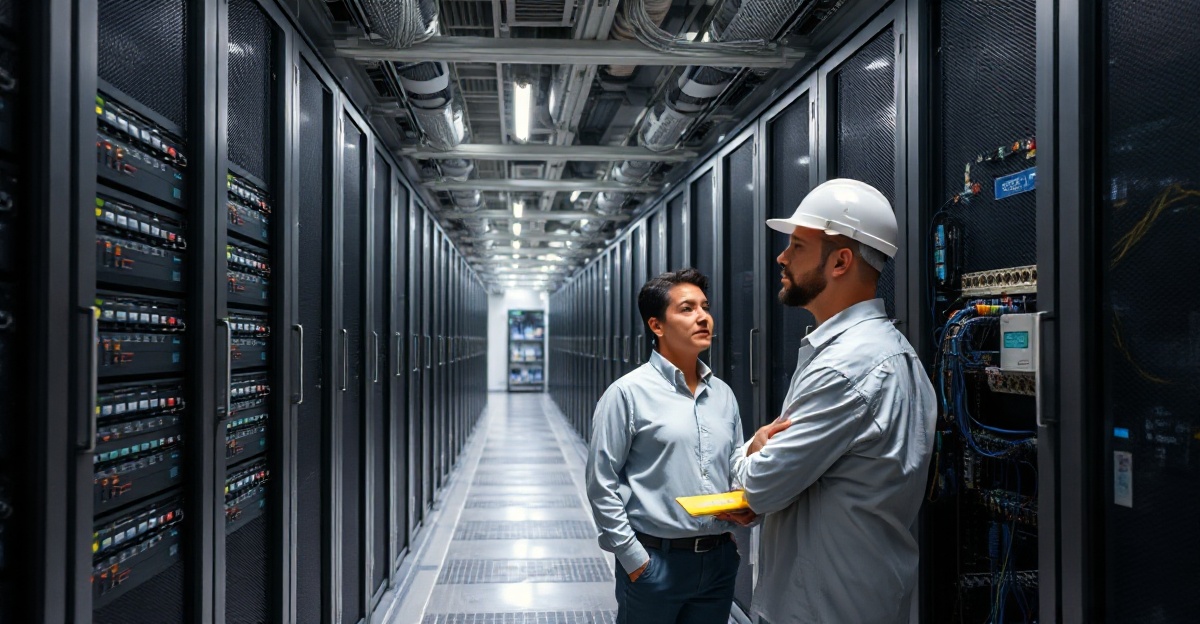
The companies are targeting liquid-cooled AI racks, servers, storage units and networking systems for global hyperscalers and enterprise data centers.
The agreement is not only about server assembly.
The planned platform also covers power distribution units, coolant distribution units, transformers, switchgears and thermal-management systems.
That gives the partnership a wider role in the physical supply chain needed to build AI facilities, where power, cooling and rack density are becoming procurement constraints.
The Manufacturing Roadmap Is Not Final Yet
Adani and Jabil are still finalising operational frameworks and formal documents for the manufacturing roadmap.
No definitive timeline has been announced for when the production platform will start operating.
That timing gap matters for customers that need near-term AI capacity.
India is trying to localise more of the infrastructure behind cloud and AI workloads, but high-density racks, cooling systems and electrical equipment require manufacturing depth as well as data-center sites.
Adani’s broader AI infrastructure plan is larger than the Jabil partnership.
In February, the group announced a $100 Bn commitment to build renewable-energy-powered, hyperscale AI-ready data centres by 2035.
The Jabil agreement gives that ambition a manufacturing component, but it does not yet prove production scale or customer orders.
India’s Data-Center Market Is Becoming A Supply-Chain Question
The commercial backdrop is a fast-expanding AI infrastructure market.
The global opportunity for AI compute infrastructure is projected to move past $3 Tn over the next seven years, while India’s data-center capacity is projected to reach 5-8 GW by 2030.
The pressure is not only demand from cloud users.
Data localisation requirements and the DPDP Act are pushing technology supply chains toward domestic manufacturing and in-country infrastructure.
For hyperscalers and enterprise buyers, that makes local hardware availability part of the sovereignty discussion.
Adani is not the only Indian group moving in that direction.
Reliance Industries has announced a Meta partnership for a 168 MW AI-enabled data centre in Jamnagar within two years.
Amazon has committed $12.7 Bn for cloud infrastructure in India by 2030, and OpenAI is planning a 1 GW data centre in India with TCS.
The Unresolved Test Is Execution
The partnership gives Adani and Jabil a route into a higher-value part of the AI buildout: racks, cooling, power equipment and integrated systems.
It also gives India another attempt to move beyond hosting data centers toward producing more of the infrastructure inside them.
The open issue is whether the partners can turn the agreement into operating factories, qualified products and hyperscaler-scale supply.
Until the roadmap is formalised, the deal is a manufacturing signal rather than proof that India has closed the AI infrastructure supply-chain gap.