AirTrunk Makes India a Bigger Test Case for AI Data Center Buildouts
AirTrunk said it would invest $30 billion in India by 2030 to develop 5GW of new AI data center capacity. Bernstein’s forecast puts the country’s data center market at up to 8GW in 2030, compared with about 1.5GW today. The practical question is whether land, power and water availability can support the proposed buildout.
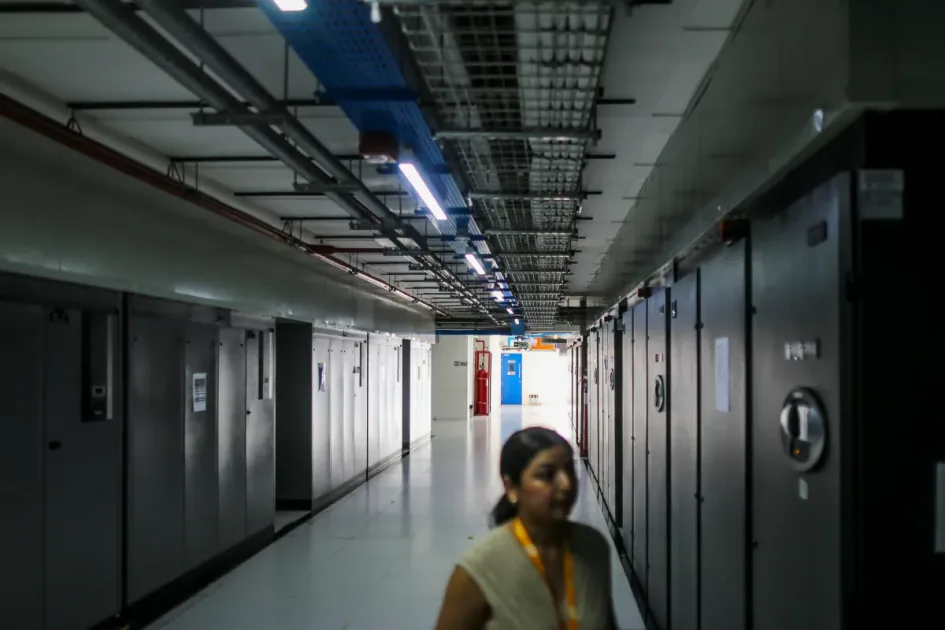
India Becomes a Larger AI Infrastructure Bet
AirTrunk said it would invest $30 billion in India by 2030, putting the Blackstone-backed data center operator behind one of the largest announced digital infrastructure commitments in the country.
The Australian company said the plan covers 5 gigawatts of new data center capacity, after it entered India earlier this year through the acquisition of Lumina CloudInfra.
The proposal adds another large AI infrastructure project to a market already drawing commitments from cloud providers, technology companies and domestic industrial groups.
Bernstein’s forecast puts the country’s data center market at up to 8GW in 2030, compared with about 1.5GW today.
The practical question is whether AirTrunk can turn the commitment into land, power and operating capacity at the pace needed for AI and cloud demand.
Government Support Meets Resource Constraints
India has tried to attract more AI infrastructure investment.
Earlier this year, New Delhi created a tax break through 2047 for foreign cloud providers when overseas services are handled from Indian data centers.
AirTrunk has also started laying groundwork at state level.
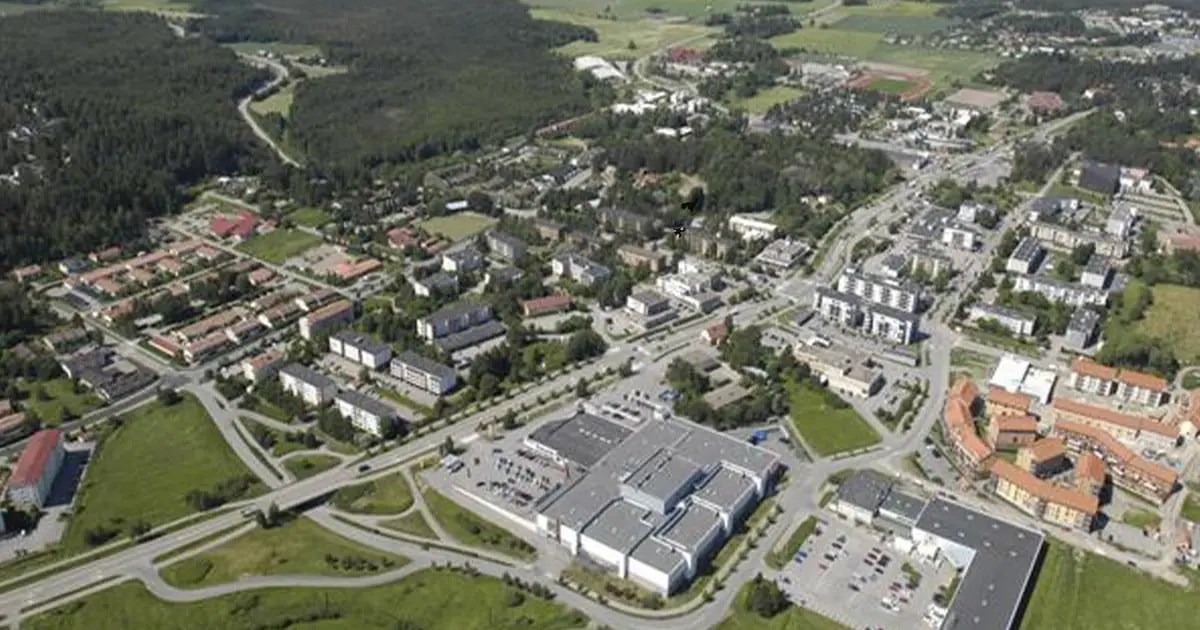
Maharashtra Chief Minister Devendra Fadnavis said the state had moved forward on a land-allotment intent letter tied to the Raigad Pen Growth Center.
The planned Maharashtra project is described as 3GW and about ₹2 trillion, or around $21 billion, while AirTrunk already has about 600MW in its development pipeline across Mumbai, Chennai and Hyderabad.
AirTrunk has not specified whether Raigad represents the bulk of the 5GW target or whether other Indian sites will carry a significant share.
Power, Water and Land Set the Execution Risk
The announcement followed a meeting between AirTrunk CEO Robin Khuda and Prime Minister Narendra Modi.
Modi linked the plan to India’s ambition in cloud computing and artificial intelligence.
The expansion case still depends on physical inputs.
Data centers need electricity, water and land at large scale, and resource availability has been flagged as a bottleneck, particularly power.
Deloitte estimates that Asia Pacific data center expansion could add tens of terawatt-hours of electricity demand before the decade ends.
Khuda said AirTrunk’s investment thesis is supported by government backing, technical talent and access to renewable energy.
The next signal is whether those conditions can support the proposed 5GW buildout without power and land constraints slowing deployment.
Summary version for Medium
AirTrunk Makes India a Bigger Test Case for AI Data Center Buildouts
Why AirTrunk Makes India a Bigger matter now for cloud infrastructure teams
Quick Summary: AirTrunk said it would invest $30 billion in India by 2030 to develop 5GW of new AI data center capacity. Bernstein’s forecast puts the country’s data center market at up to 8GW in 2030, compared with about 1.5GW today.
The Core Signal
AirTrunk said it would invest $30 billion in India by 2030 to develop 5GW of new AI data center capacity. Bernstein’s forecast puts the country’s data center market at up to 8GW in 2030, compared with about 1.5GW today.
The Technical Or Market Detail
India Becomes a Larger AI Infrastructure Bet AirTrunk said it would invest $30 billion in India by 2030, putting the Blackstone-backed data center operator behind one of the largest announced digital infrastructure commitments in the country.
- Point 1: The central topic is india, with the announcement framed around concrete operating detail.
- Point 2: The Australian company said the plan covers 5 gigawatts of new data center capacity, after it entered India earlier this year through the acquisition of Lumina CloudInfra.
AI deployments now depend on where models, data, approvals and operating teams meet.
Operational Impact Or Limits
AirTrunk said it would invest $30 billion in India by 2030 to develop 5GW of new AI data center capacity. Bernstein’s forecast puts the country’s data center market at up to 8GW in 2030, compared with about 1.5GW today.
Read the Full Deep Dive
Want to explore the complete technical analysis, enterprise trade-offs, and detailed metrics?
Read the full article originally published at SendTech Times