Finland Data Centre Growth Faces Grid And Heat-Reuse Tests
Finland is attracting AI data centre projects because of low-carbon power, cool weather and land, Data Center Knowledge reported, but grid connections, permitting and waste-heat rules now determine how much capacity becomes operational.
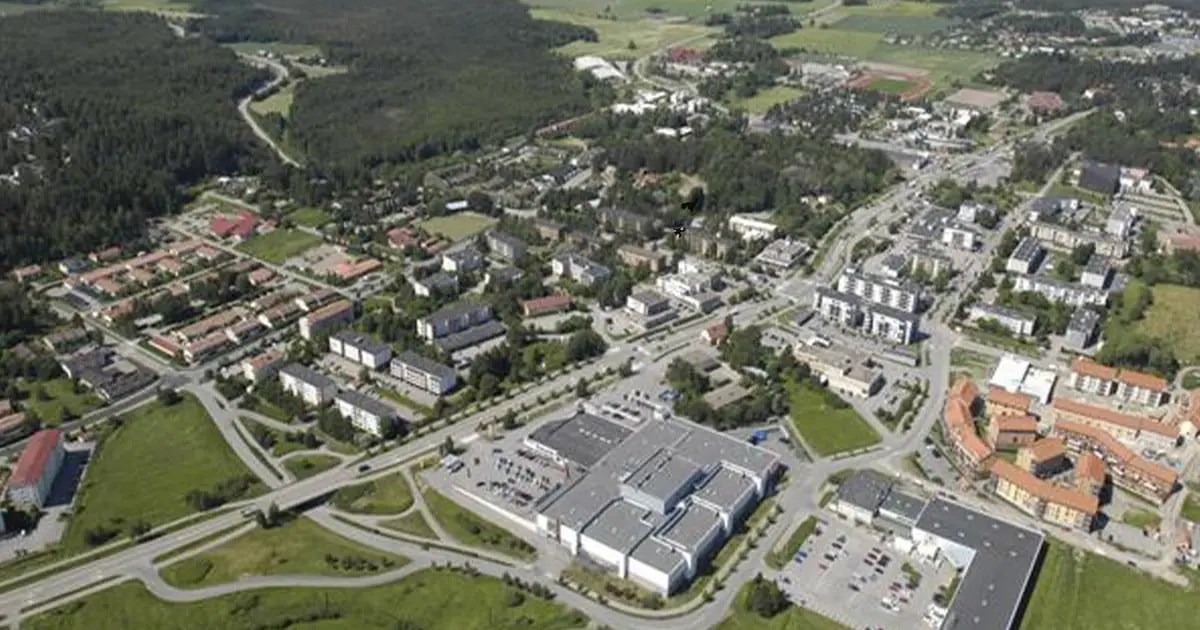
Finland's data-centre boom is shifting from site demand to power delivery.
Data Center Knowledge reported that AI infrastructure demand, low-carbon electricity, cooler operating conditions and available land are drawing projects into the country, while grid connections, permitting and heat reuse decide how much planned capacity becomes real.
The country's advantage starts with resources that are difficult for more crowded European markets to copy.
Data Center Knowledge cited DC Byte market data showing Finland's operational IT load among Europe's fastest-growing over the past five years.
Conversion-ready brownfield sites, relatively cheap and available power, geographic advantages and an accommodating grid operator have helped turn that demand into a larger development pipeline.
Grid Queue Turns Demand Into Delivery Timing
Fingrid's connection process sits at the centre of the next phase.
The national grid operator has often prioritised data-centre connections and offered positive usage guarantees, giving early projects a clearer route to power than many constrained European locations.
Permitting timelines can still slow that route.
DC Byte analyst Charlie Enright linked power delivery to building permits from the courts and described a process that can take up to three years.
If multiple campuses seek approval and grid access at once, the queue becomes a test of sequencing.
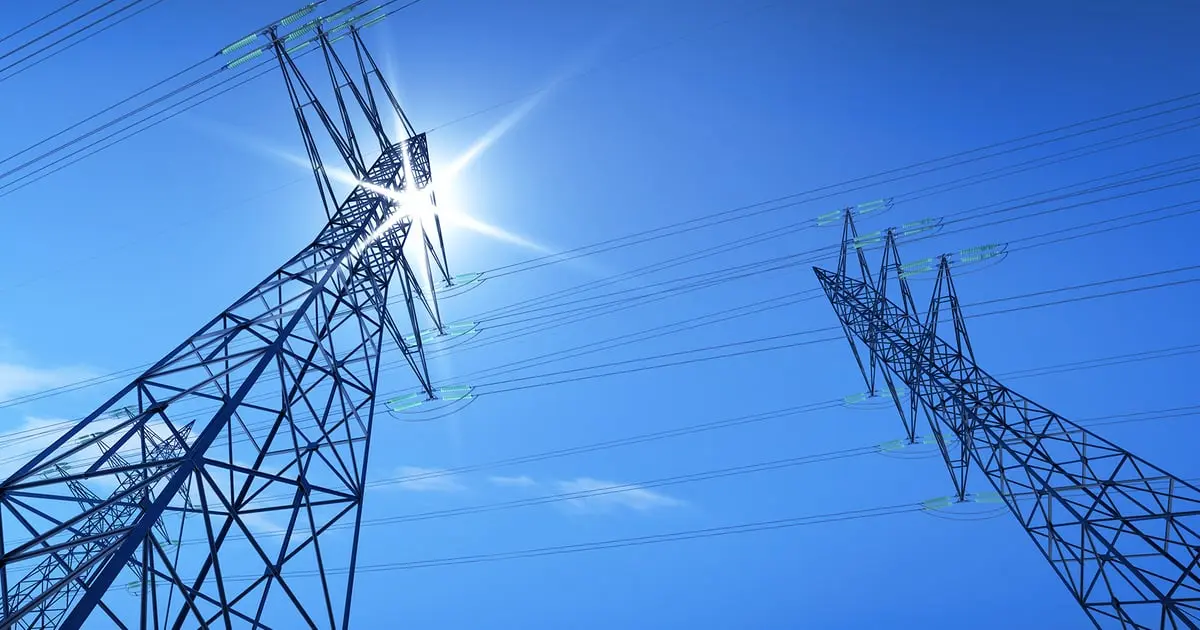
Low-carbon power supply remains the anchor for Finland's cost case.
Electricity-tax incentives and grid-policy support have helped the market, even as policymakers reconsider parts of that framework.
Enright's assessment was that total operating costs are still likely to remain below most competing EMEA markets, especially for hyperscalers, if some incentives change.
AI Rack Density Changes Power Planning
AI rack density changes the scale of grid planning.
IDC senior research analyst Mikhail Jaura put AI training clusters at three to five times the power draw per rack of standard cloud infrastructure, pushing clean and reliable electricity into the core campus design.
Hyperscalers have the clearest route through that load profile because they can negotiate power directly and build their own campuses.
That structure favours buyers with balance-sheet strength, utility relationships and enough demand certainty to support a large power reservation.
Third-party data-centre developers face a narrower proof point.
Tenants, grid access and approvals need to line up before a pipeline project becomes revenue-producing capacity, especially for newer entrants without a long hyperscale delivery record.
Heat Reuse Helps Where The Local Network Fits
Heat-reuse economics are becoming part of site selection.
Data Center Knowledge reported that, as of 2026, only a very small proportion of Finnish data centres reused waste heat, despite Finland's association with facilities that feed recovered heat into municipal district-heating systems.
District heating operators can make recovered heat valuable when the pipe network, customer demand and facility design line up.
The economics weaken where those local conditions are missing, so heat reuse cannot rescue every site with available land and power.
Cooling architecture sets another boundary.
Jaura pointed to liquid and direct-to-chip cooling as easier routes for heat recovery than air cooling because they capture heat in water at a higher and steadier temperature.
Retrofit economics make early planning important.
Jaura cautioned that retrofits rarely prove cost-effective, which pushes heat-reuse planning into site selection, utility engagement and district-heating negotiations before construction starts.
Developers Still Need To Prove The Buildout
Policy may tighten the link between power costs and recovered heat.
A future eligibility mechanism for exemption from increased electricity taxes could involve reusing waste heat in some capacity, and European rules are moving from voluntary disclosure toward performance expectations that include heat recovery.
The next phase depends on whether grid connection timelines, low-carbon generation, permitting stability and heat-reuse requirements move with the project pipeline.
For developers, Finland's advantage will be proven site by site, when low-carbon power, permits and heat-reuse economics line up as delivered AI capacity rather than a planning queue.
Summary version for Medium
Finland Data Centre Growth Faces Grid And Heat-Reuse Tests
Why Finland Data Centre Growth matter now for cloud infrastructure teams
Quick Summary: Finland is attracting AI data centre projects because of low-carbon power, cool weather and land, Data Center Knowledge reported, but grid connections, permitting and waste-heat rules now determine how much capacity becomes operational.
Grid Queue Turns Demand Into Delivery Timing
Fingrid's connection process sits at the centre of the next phase. The national grid operator has often prioritised data-centre connections and offered positive usage guarantees, giving early projects a clearer route to power than many constrained European locations.
AI Rack Density Changes Power Planning
AI rack density changes the scale of grid planning.
- Point 1: The central topic is cloud-data-centers, with the announcement framed around concrete operating detail.
- Point 2: IDC senior research analyst Mikhail Jaura put AI training clusters at three to five times the power draw per rack of standard cloud infrastructure, pushing clean and reliable...
AI deployments now depend on where models, data, approvals and operating teams meet.
Heat Reuse Helps Where The Local Network Fits
Heat-reuse economics are becoming part of site selection. Data Center Knowledge reported that, as of 2026, only a very small proportion of Finnish data centres reused waste heat, despite Finland's association with facilities that feed recovered heat into municipal district-heating systems.
Read the Full Deep Dive
Want to explore the complete technical analysis, enterprise trade-offs, and detailed metrics?
Read the full article originally published at SendTech Times