Taiwan Mobile Extends Nokia 5G Deal Around AI-Native Network Operations
RCR Wireless News reported that Taiwan Mobile and Nokia have extended their 5G partnership with AI-native network operations, including AirScale equipment, MantaRay SON automation, RedCap support and a 100% renewable-electricity target by 2040.
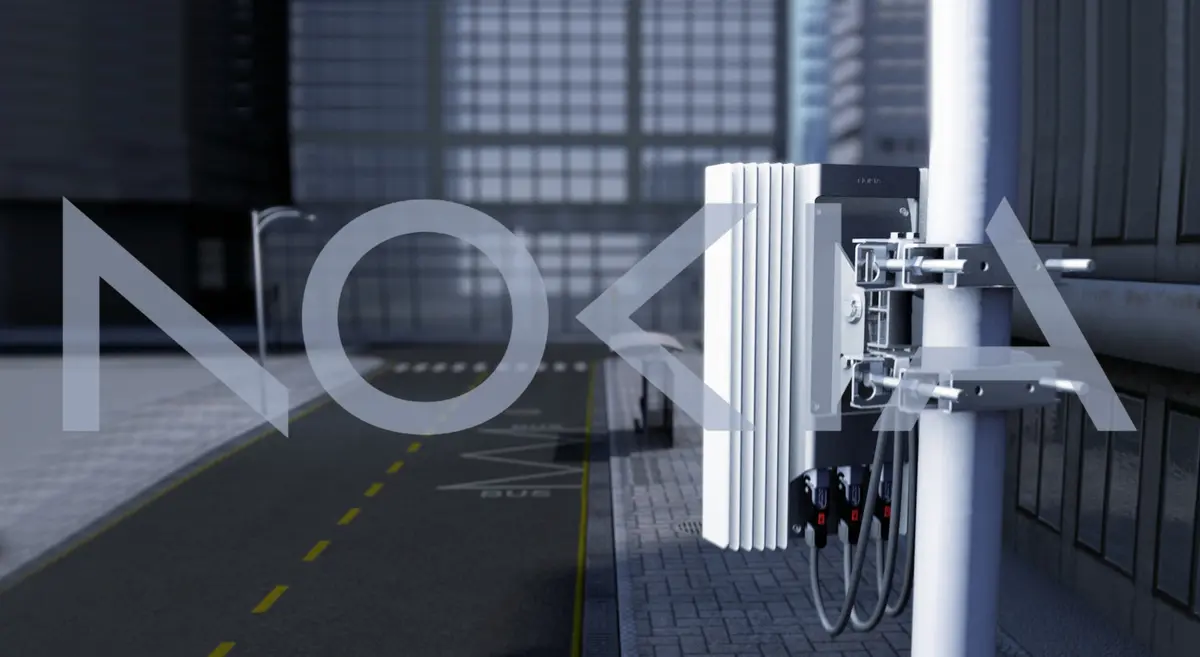
Taiwan Mobile is extending its Nokia 5G partnership around AI-native network operations, not a simple radio refresh.
RCR Wireless News framed the agreement as a move to embed artificial intelligence across operations, automation and energy management in the operator's mobile network.
The software layer is becoming the test of telecom modernisation in this deployment.
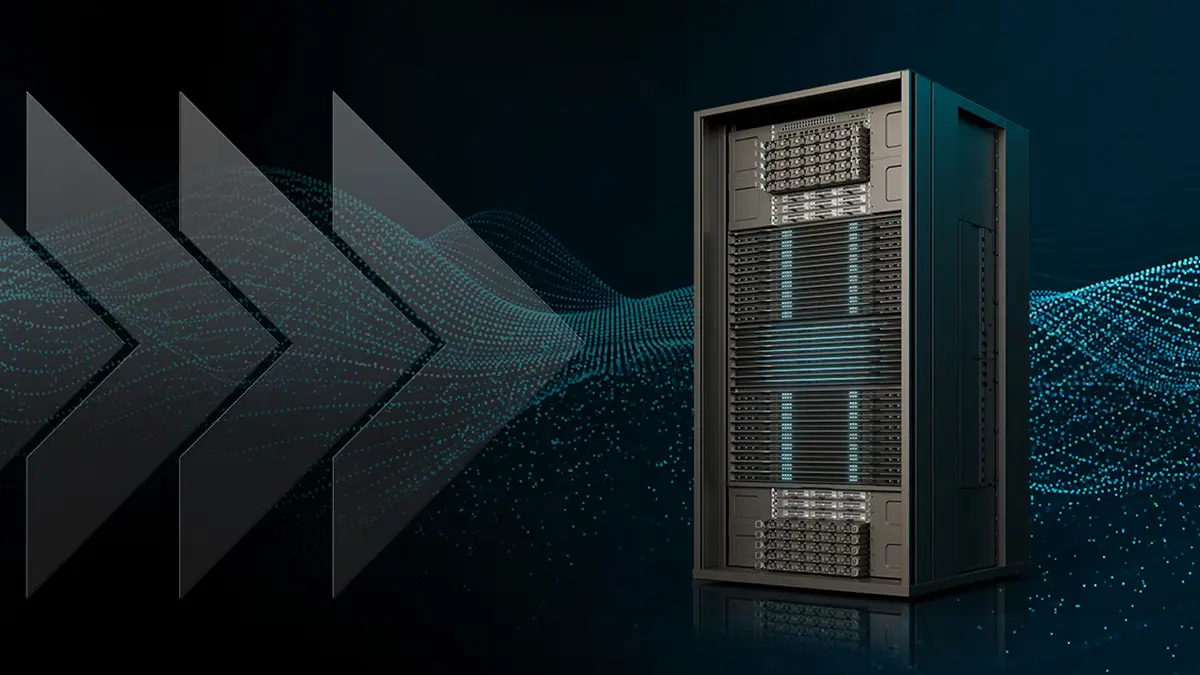
AirScale baseband and radio equipment are part of the agreement.
The operating change sits in predictive hardware analytics, self-organising network controls, traffic steering and power optimisation.
Nokia Deal Adds AI To 5G Operations
The vendor relationship predates the current rollout.
The partnership spans every mobile generation from 2G to 5G, with the Finnish vendor often acting as Taiwan Mobile's only equipment supplier.
The new agreement keeps that relationship in place and shifts the focus from conventional capacity upgrades to automated network management.
The hardware package includes the vendor's latest modular AirScale baseband and radio solutions, advanced massive MIMO radios and remote radio heads.
The deployment builds on earlier Habrok 32 and Osprey 32 massive MIMO radios, making the new step an extension of existing infrastructure.
Predictive Hardware Analytics is being added to detect and prevent equipment failures before they affect service, and Taiwan Mobile's MantaRay SON deployment is being expanded with AI capabilities.
The self-organising network layer handles parameter tuning across power levels, handovers and load balancing.
Automation Layer Targets Resilience And Uplink Traffic
Dynamic traffic steering and self-healing functions are designed to keep service running when load patterns shift or parts of the network fail.
The vendor presented those capabilities as commercial-grade.
AI-driven network autonomy remains a young discipline across telecom networks.
The agreement follows an earlier memorandum of understanding at MWC in March 2025 covering AI mobile networks.
That work included the Nokia Assurance Center, described as combining digital twins with generative AI for real-time anomaly detection.
AI traffic also changes the capacity problem.
Next-generation baseband units deliver higher capacity and better uplink performance for AI applications that generate meaningful upstream traffic across mobile networks.
RedCap And Network Slicing Shape Enterprise Services
Spectrum and service features sit underneath the AI operations layer.
Dynamic spectrum sharing across 4G and 5G lets Taiwan Mobile use spectrum assets across generations, while carrier aggregation combines multiple frequency bands to increase data rates, throughput and end-user speeds.
The service layer uses an existing 5G standalone core to create network slices for enterprise customers.
The agreement also adds RedCap support, a reduced-capability 5G tier for lower-power IoT sensors and wearables.
Taiwan Mobile's footprint includes thousands of modernised LTE sites and more than 3,000 5G cell sites nationwide.
The footprint gives the AI-native agreement a live network base, not only a laboratory or proof-of-concept setting.
Renewable Target Leaves Rollout Terms Unclear
Power use is part of the commercial logic.
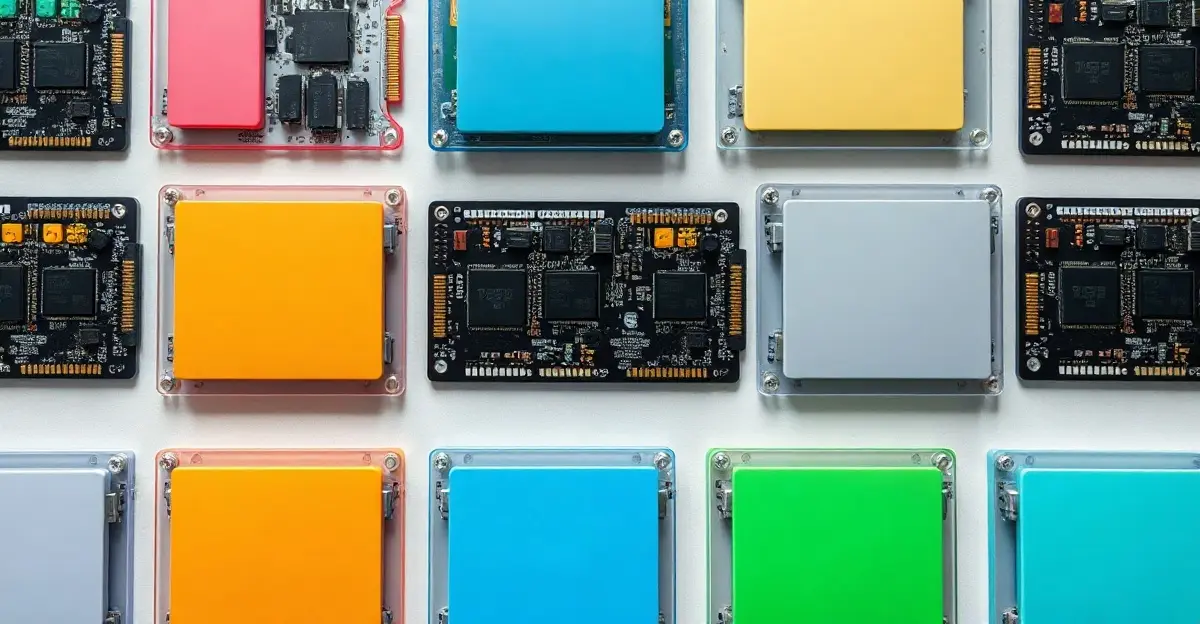
AirScale hardware relies on ReefShark system-on-chip technology, which Nokia markets as reducing power consumption per bit.
AI-powered algorithms are intended to cut consumption during low-traffic periods or in underused cells.
Taiwan Mobile has committed to RE100 and aims to run on 100% renewable electricity by 2040.
Nokia's related AI-RAN collaboration with Telia Finland makes the Taiwan deal part of a wider commercialisation path for automated radio networks.
The public agreement does not name financial terms, rollout phases or measured customer-level performance results for AI-managed network operations.
Summary version for Medium
Taiwan Mobile Extends Nokia 5G Deal Around AI-Native Network Operations
What the announcement means beyond the headline
Quick Summary: RCR Wireless News reported that Taiwan Mobile and Nokia have extended their 5G partnership with AI-native network operations, including AirScale equipment, MantaRay SON automation, RedCap support and a 100% renewable-electricity target by 2040.
Nokia Deal Adds AI To 5G Operations
The vendor relationship predates the current rollout. The partnership spans every mobile generation from 2G to 5G, with the Finnish vendor often acting as Taiwan Mobile's only equipment supplier.
Automation Layer Targets Resilience And Uplink Traffic
Dynamic traffic steering and self-healing functions are designed to keep service running when load patterns shift or parts of the network fail.
- Point 1: The central topic is telco-connectivity, with the announcement framed around concrete operating detail.
- Point 2: The vendor presented those capabilities as commercial-grade.
AI deployments now depend on where models, data, approvals and operating teams meet.
RedCap And Network Slicing Shape Enterprise Services
Spectrum and service features sit underneath the AI operations layer. Dynamic spectrum sharing across 4G and 5G lets Taiwan Mobile use spectrum assets across generations, while carrier aggregation combines multiple frequency bands to increase data rates, throughput and end-user speeds.
Read the Full Deep Dive
Want to explore the complete technical analysis, enterprise trade-offs, and detailed metrics?
Read the full article originally published at SendTech Times