Heat Failures Put Data Centres, Telecoms Cabinets And Power Networks Under Strain
Extreme heat is testing the physical systems behind digital services, from power transformers and telecoms cabinets to hospital data centres. BBC evidence from France and the UK shows outages at 40C, data-centre temperatures of 50.3C and rail cabinets that can exceed 70C, while no single national heat-proofing standard is named.
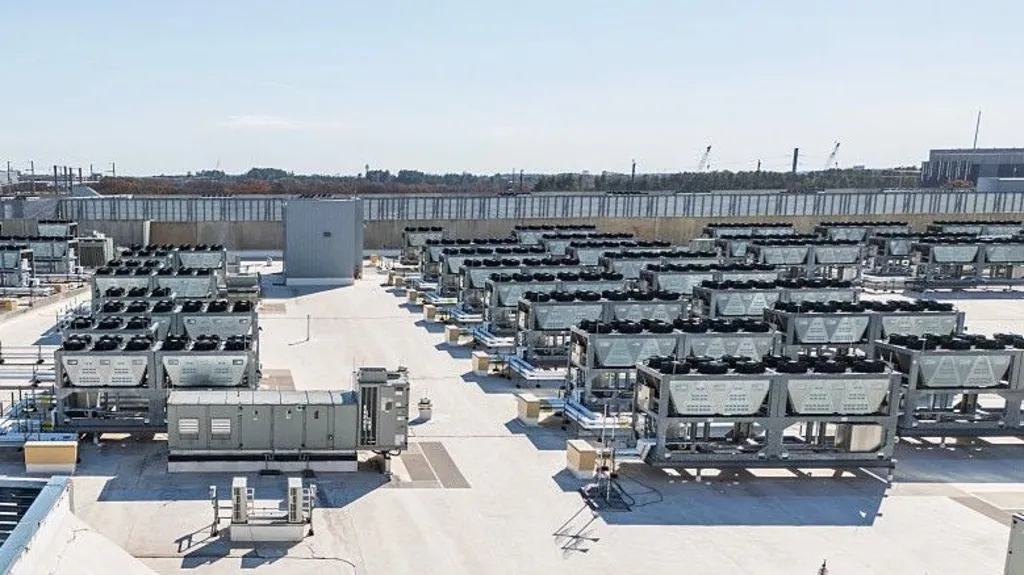
French Transformer Failure Shows Heat Risk For Digital Services
A June heatwave in France exposed how high temperatures can disrupt the physical systems that keep digital services running.
BBC reported that on 23 June, an electric transformer in Ergue-Gaberic in Brittany malfunctioned as temperatures reached around 40C, initially leaving more than 100,000 people without power.
Local authorities described the incident as heat related.
RTE, the French power company, confirmed that social-media video of smoke showed one of its facilities, while the company had said the previous day that there was no concern over electricity availability across its network this summer.
The incident sits beside other heat-related failures in essential technology.
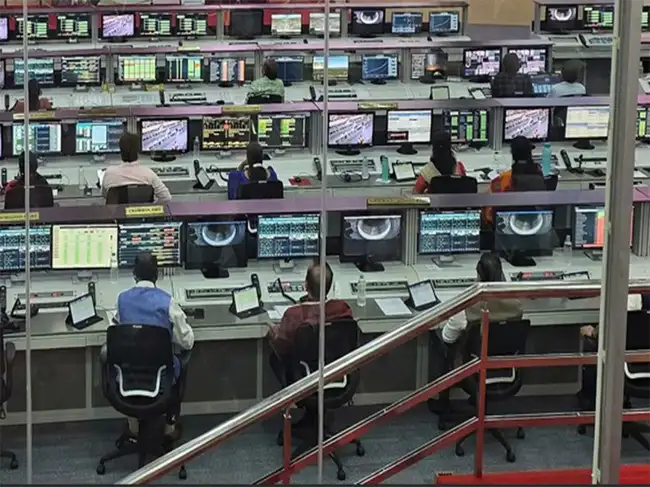
Six NHS trusts in England declared a critical incident last week after hot weather affected IT systems, scanners, cancer equipment and lab equipment.
Power Networks Lose Efficiency At High Temperatures
Imperial College London researcher Iain Staffell said electricity networks, including power lines, interconnectors and transformers, struggle to cool themselves during high heat.
Staffell and colleagues estimate that gas-fired power station output falls by roughly 10% at 40C compared with 20C.
Solar output can also weaken as temperatures rise.
Staffell said UK solar output plateaus and then slowly falls once temperatures rise above 27C, although long sunny periods can still lift solar generation compared with cloudier days.
Power lines add another constraint.
Metal cables expand in heat and can droop, while electricity running through them creates additional heat.
Durham University professor emeritus Simon Hogg said operators reduce the amount of electricity sent along power lines during heatwaves when clearance risks increase.
Hospital Data Centres Hit 50.3C In 2022
BBC also reported that the July 2022 UK heatwave saw temperatures reach more than 40C in some areas and equipment failures trigger power cuts affecting thousands of people.
BBC reported that in London, data centres serving Guy's and St Thomas' hospitals went down, leading to cancelled operations.
BBC reported that a later incident review recorded attempts at 13.30 on 19 July to cool the St Thomas' datacentre by hosing cooling units with cold water, and that temperatures later reached 36.2C at St Thomas' and 50.3C at the nearby Guy's datacentre.
The BBC article connected the failed cooling systems to cancelled clinical work, not only equipment alarms.
Telecoms And Rail Cabinets Face Outdoor Heat
Heat also affects electronics beyond data centres.
University of Salford professor emeritus Nigel Linge said processors and circuit boards are designed for elevated temperatures, but tiny metal connections can expand and form cracks above certain thresholds.
Thermal noise can raise data errors in computer and telecoms equipment.
Linge said metal telecoms cabinets can become very hot on sunny days, while former Ofcom director William Webb said operators have worked on insulation and ventilation as cabinets carry more heat-generating equipment.
Railway signalling equipment faces similar exposure.
BBC reported that metal cabinets used on railway lines can exceed 70C during heatwaves, and that Southeastern began trialling liquid-based cooling technology in such cabinets last year.
The independent Climate Change Committee warned in May that outages caused by extreme heat could affect digital payments, transport services and public services, potentially costing billions.
The public record does not name a single national standard for heat-proofing data centres, telecoms cabinets, rail signalling cabinets and electricity networks together.
Summary version for Medium
Heat Failures Put Data Centres, Telecoms Cabinets And Power Networks Under Strain
Why Heat Failures matter now for cloud infrastructure teams
Quick Summary: Extreme heat is testing the physical systems behind digital services, from power transformers and telecoms cabinets to hospital data centres. BBC evidence from France and the UK shows outages at 40C, data-centre temperatures of 50.3C and rail cabinets that can exceed 70C, while no single national heat-proofing standard is named.
French Transformer Failure Shows Heat Risk For Digital Services
A June heatwave in France exposed how high temperatures can disrupt the physical systems that keep digital services running. BBC reported that on 23 June, an electric transformer in Ergue-Gaberic in Brittany malfunctioned as temperatures reached around 40C, initially leaving more than 100,000 people without power.
Power Networks Lose Efficiency At High Temperatures
Imperial College London researcher Iain Staffell said electricity networks, including power lines, interconnectors and transformers, struggle to cool themselves during high heat.
- Point 1: The central topic is cloud-data-centers, with the announcement framed around concrete operating detail.
- Point 2: Staffell and colleagues estimate that gas-fired power station output falls by roughly 10% at 40C compared with 20C.
The useful takeaway is the operating constraint behind the announcement, not the announcement alone.
Hospital Data Centres Hit 50.3C In 2022
BBC also reported that the July 2022 UK heatwave saw temperatures reach more than 40C in some areas and equipment failures trigger power cuts affecting thousands of people. BBC reported that in London, data centres serving Guy's and St Thomas' hospitals went down, leading to cancelled operations.
Read the Full Deep Dive
Want to explore the complete technical analysis, enterprise trade-offs, and detailed metrics?
Read the full article originally published at SendTech Times