Linux Foundation Executives Put MCP Between AI Models And Enterprise Tools
Linux Foundation executives described MCP as a coordination layer that connects AI models to tools, memory and private data, while leaving approved registry lists and production outcomes outside the public record.
MCP Sits Above The Model Layer
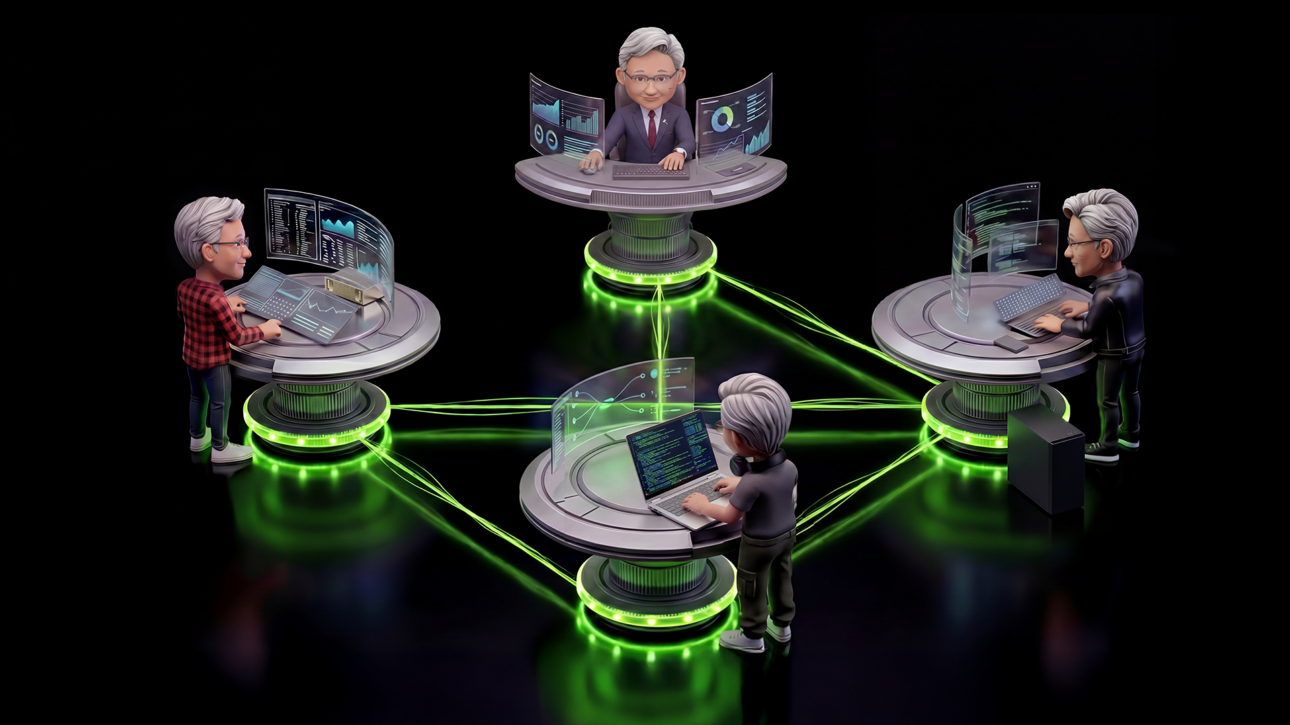
Linux Foundation executives are positioning Model Context Protocol as a coordination layer between AI models and the tools, memory systems, APIs and enterprise data those models need in production.
Anthropic introduced MCP, and governance now sits with the Agentic AI Foundation under the Linux Foundation.
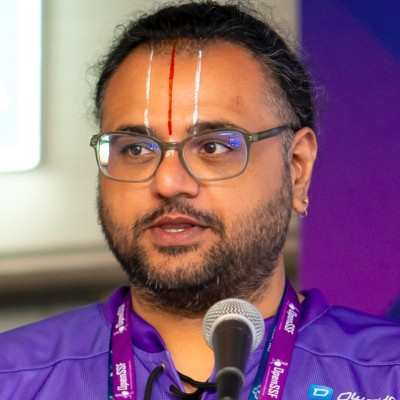
Ram Iyengar, chief evangelist at Cloud Foundry Foundation, said MCP changed how large language models discover tools and capabilities.
He described the protocol as a standard way for LLMs to interact with tools and services through APIs, breaking a prompt into multiple tool calls and skills.
MCP does not replace the model.
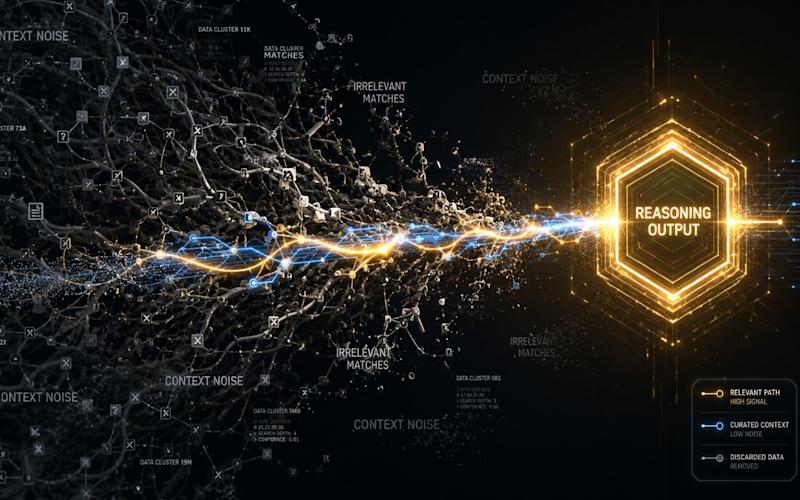
It sits above individual components and gives AI systems a way to discover tools, invoke services and handle memory without stuffing every detail into the model prompt.
Registries And Gateways Control Tool Access
Iyengar said MCP registries, gateways, allowlists and blocklists can govern which tools an AI system may access.
He also said anyone can write an MCP, while the Linux Foundation recommends certain registries without maintaining a formal approved-tools list.
Arpit Joshipura, general manager of networking, IoT and edge at the Linux Foundation, linked the open protocol to vendor-lock-in concerns.
He said open protocols let organizations change technology providers without changing the way models connect to tools and services.
Joshipura described AI systems as layered architectures made up of an intelligence layer, an agentic layer and a domain layer.
He said the agentic layer can access public and private data, while organizations configure agents around enterprise requirements and sensitive information.
Goose Shows The Deployment Trade-Off
Iyengar used Goose as one example of MCP implementation.
He said the open-source agent draws on multiple familiar AI tools, including Anthropic Claude, OpenCode and Codex, and has about 128,000 tokens available per session.
Iyengar said Goose can operate on local infrastructure while supporting Ollama, OpenAI, Anthropic’s Claude and Gemini.
He also said sensitive-data organizations could run it in air-gapped environments using local databases, local runtimes and local models.
The deployment examples show why MCP is being discussed as an enterprise control layer rather than only a developer convenience.
The same model may need memory, tool discovery, policy limits and private-data access before it can operate inside a company workflow.
The executives did not name enterprise deployments, audited cost savings or a formal Linux Foundation list of approved MCP tools.
The public record also does not disclose customer production results from Goose or other MCP-based enterprise deployments.
Summary version for Medium
Linux Foundation Executives Put MCP Between AI Models And Enterprise Tools
What the announcement means beyond the headline
Quick Summary: Linux Foundation executives described MCP as a coordination layer that connects AI models to tools, memory and private data, while leaving approved registry lists and production outcomes outside the public record.
MCP Sits Above The Model Layer
Linux Foundation executives are positioning Model Context Protocol as a coordination layer between AI models and the tools, memory systems, APIs and enterprise data those models need in production. Anthropic introduced MCP, and governance now sits with the Agentic AI Foundation under the Linux Foundation.
Registries And Gateways Control Tool Access
Iyengar said MCP registries, gateways, allowlists and blocklists can govern which tools an AI system may access.
- Point 1: The central topic is ai, with the announcement framed around concrete operating detail.
- Point 2: He also said anyone can write an MCP, while the Linux Foundation recommends certain registries without maintaining a formal approved-tools list.
The important shift is not the AI label, but the operating boundary it creates for teams.
Goose Shows The Deployment Trade-Off
Iyengar used Goose as one example of MCP implementation. He said the open-source agent draws on multiple familiar AI tools, including Anthropic Claude, OpenCode and Codex, and has about 128,000 tokens available per session.
Read the Full Deep Dive
Want to explore the complete technical analysis, enterprise trade-offs, and detailed metrics?
Read the full article originally published at SendTech Times