US Energy Chief Tells Data Center Builders To Answer Power Critics
US Energy Secretary Chris Wright used an AWS Summit appearance to tell data center supporters to engage critics over electricity costs and local opposition as AI construction raises power and permitting pressure.
Energy Secretary Addresses Data Center Opposition
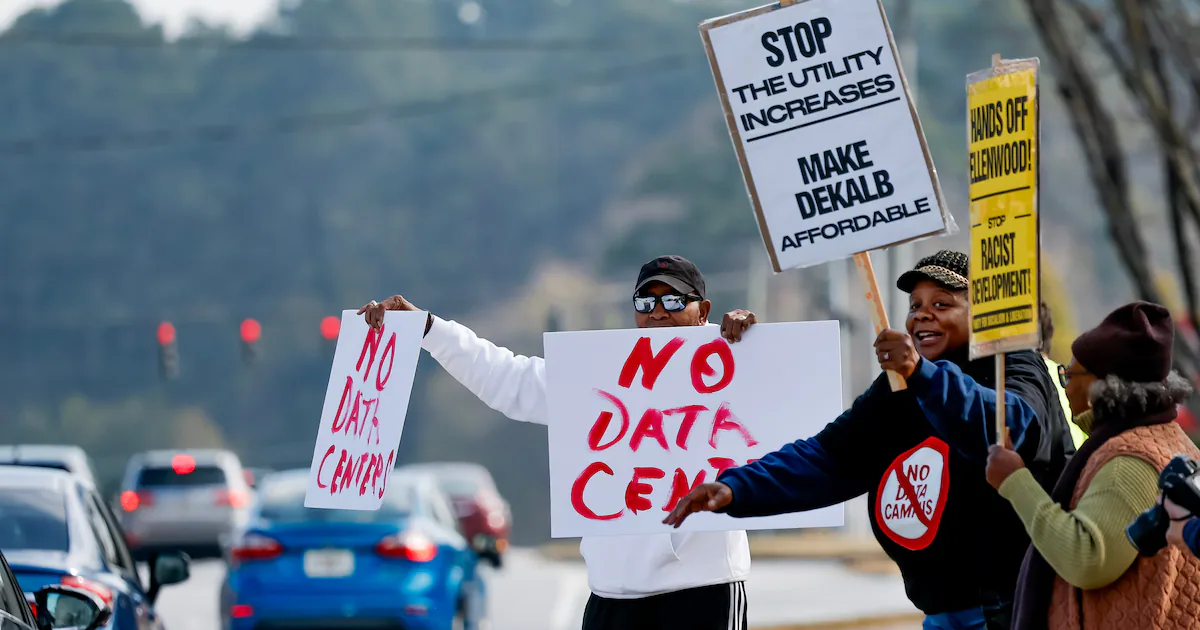
US Energy Secretary Chris Wright told an AWS Summit audience in Washington that data center supporters should engage residents who are worried about electricity costs, AI expansion and local construction.
He said critics had heard one side of the story and argued that direct conversations could change views.
The comments put a federal energy official inside a debate that has moved beyond cloud procurement.
AI demand has accelerated data center construction in the United States, but power availability, electricity bills and permitting have become local political issues.
Wright’s message was not a new federal rule.
It was a call for the industry to answer opposition before projects harden into local fights.
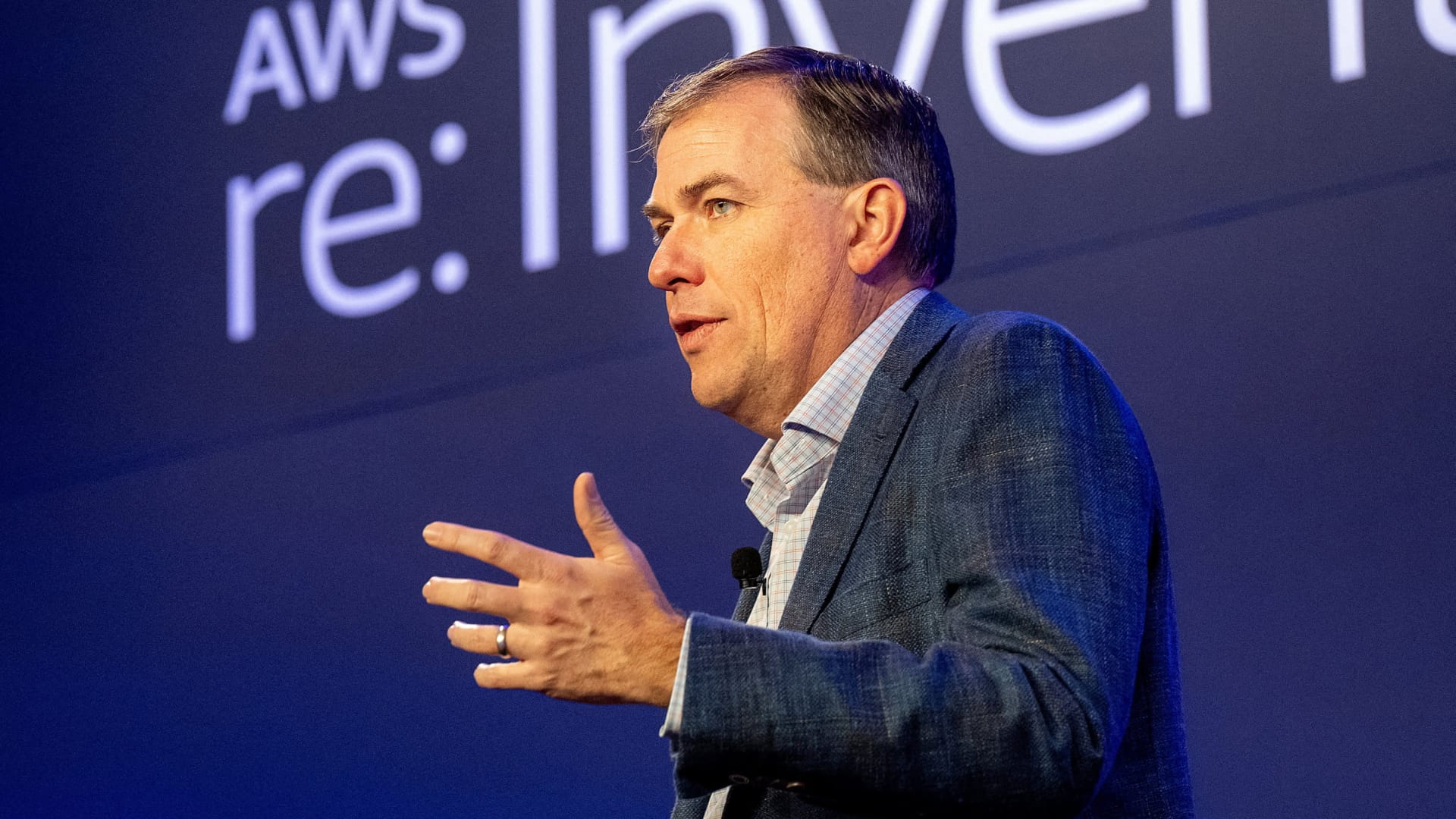
Dave Levy, an AWS vice president, appeared with Wright at the event.
The AWS setting matters because cloud providers are among the companies most exposed to the collision between AI growth and public concern over electricity demand.
The source material does not say AWS announced a new data center project at the summit.
AI Construction Meets Power And Permitting Pressure
The National reported that the United States leads the world in data centers and that AI has caused a major boom in construction.
The article also said efforts to speed building have raised concerns about electricity costs and the strain on the grid.
Those concerns are no longer limited to environmental groups; they now reach residents who see utility bills and land-use changes as part of the same buildout.
Wright’s remarks described engagement as a practical requirement for the sector.
Developers need power, grid connections and local approvals, while communities want clearer answers about costs and benefits.
The article does not show a federal mandate forcing a specific siting outcome, and it does not give a new permitting timetable.
The energy-policy context is also shifting because data center demand is becoming part of wider power planning.
Faster AI infrastructure growth can increase pressure on generation, transmission and local distribution networks.
The article frames the argument around public trust rather than only technical capacity.
AWS Setting Keeps Industry Responsibility In View
The AWS Summit audience included technology experts and business leaders, which made Wright’s comments a message to the companies building or using AI infrastructure.
The administration can support energy development and permitting speed, but cloud operators still face questions from communities affected by new facilities, substations and power purchases.
The article does not identify a single project as the source of the public concern.
That keeps the story at the policy-and-industry level rather than a site-specific dispute.
It also means the operational detail still missing is local: which projects are delayed, what grid upgrades are required, who pays for them and how electricity costs are allocated.
The reported remarks did not include community polling data, utility-rate examples or a list of affected counties.
Wright’s comments leave data center companies with a public-acceptance problem attached to their power strategy.
The article did not disclose named delayed projects, new federal permitting deadlines, grid-upgrade costs, community-benefit commitments or AWS site-level power plans.
Summary version for Medium
US Energy Chief Tells Data Center Builders To Answer Power Critics
Why US Energy Chief Tells matter now for cloud infrastructure teams
Quick Summary: US Energy Secretary Chris Wright used an AWS Summit appearance to tell data center supporters to engage critics over electricity costs and local opposition as AI construction raises power and permitting pressure.
Energy Secretary Addresses Data Center Opposition
US Energy Secretary Chris Wright told an AWS Summit audience in Washington that data center supporters should engage residents who are worried about electricity costs, AI expansion and local construction. He said critics had heard one side of the story and argued that direct conversations could change views.
AI Construction Meets Power And Permitting Pressure
The National reported that the United States leads the world in data centers and that AI has caused a major boom in construction.
- Point 1: The central topic is cloud-data-centers, with the announcement framed around concrete operating detail.
- Point 2: The article also said efforts to speed building have raised concerns about electricity costs and the strain on the grid.
The important shift is not the AI label, but the operating boundary it creates for teams.
AWS Setting Keeps Industry Responsibility In View
The AWS Summit audience included technology experts and business leaders, which made Wright’s comments a message to the companies building or using AI infrastructure. The administration can support energy development and permitting speed, but cloud operators still face questions from communities affected by new facilities, substations and power purchases.
Read the Full Deep Dive
Want to explore the complete technical analysis, enterprise trade-offs, and detailed metrics?
Read the full article originally published at SendTech Times