South Korea Chip Plan Names 800 Trillion Won Without Funding Split
South Korea announced an 800 trillion won ($520 billion) public-private semiconductor investment plan with Samsung Electronics and SK Hynix. The plan centers on four production facilities and HBM capacity, but it does not specify how much money will come from the state, Samsung or SK Hynix.
South Korea Sets 800 Trillion Won Semiconductor Plan
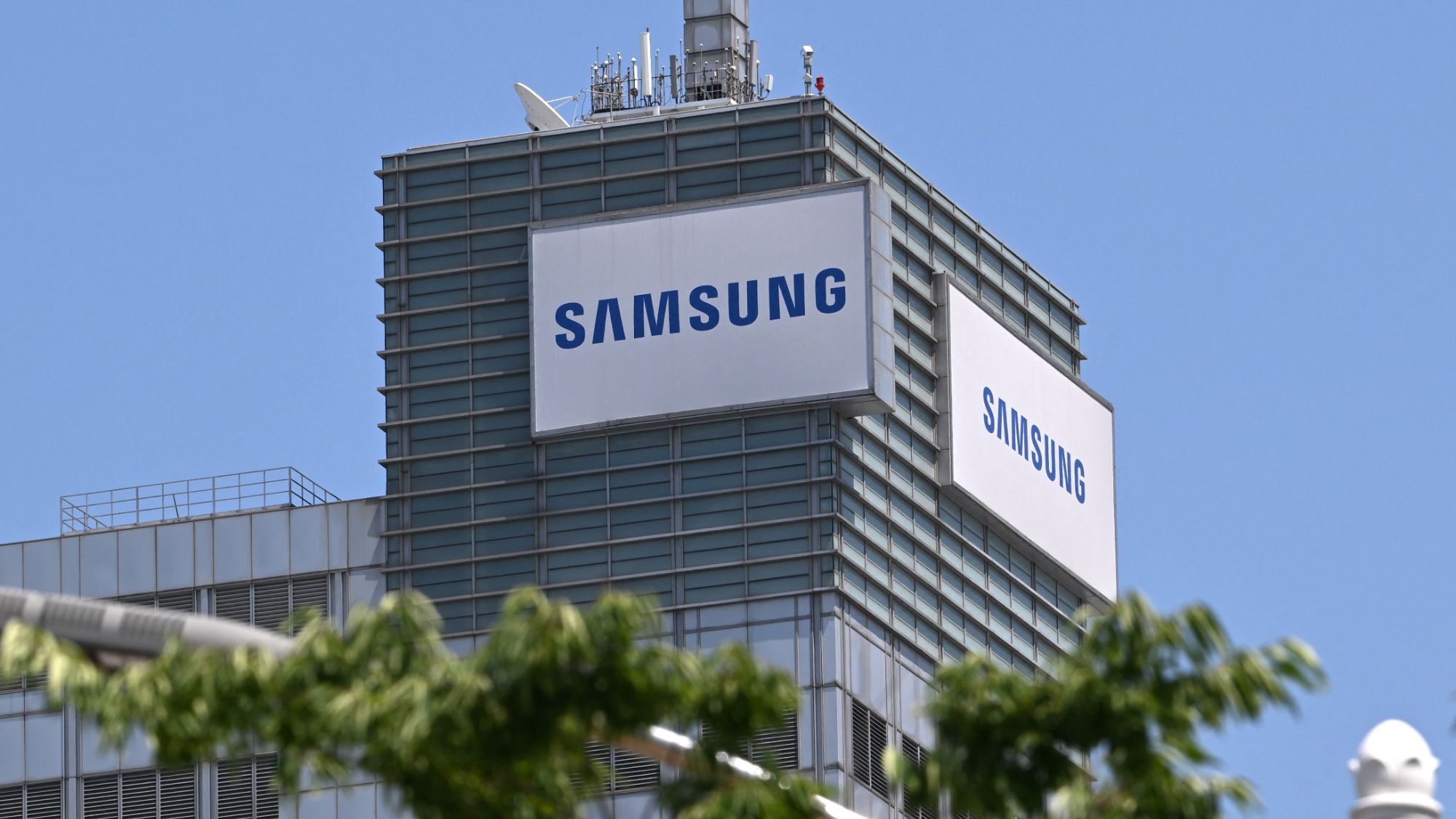
South Korean President Lee Jae Myung announced an 800 trillion won ($520 billion) public-private semiconductor investment plan on June 29 with Samsung Electronics and SK Hynix, putting memory-chip capacity at the center of the country’s AI industrial policy.
Lee presented the plan in Seoul with Samsung Electronics chairman Lee Jae-yong and SK Group chairman Chey Tae-won, the heads of the country’s two largest memory-chip companies.
The government framed the package as a response to semiconductor competition involving the United States and China.
The plan is not described as a single government subsidy program.
The disclosed structure combines state support with company investment, while Samsung and SK Hynix remain the companies expected to build the new chipmaking capacity.
Samsung And SK Hynix Each Take Two New Facilities
The centerpiece is the construction of four production facilities.
Samsung and SK Hynix are each expected to build two plants in the southwestern part of South Korea near Gwangju, away from the country’s existing semiconductor clusters.
Samsung’s chairman linked the investment to HBM, the high-bandwidth memory used in AI training and inference systems.
The plan includes HBM fabs alongside existing semiconductor back-end facilities, according to the disclosed project description.
The government and industry also plan more than 30 trillion won of investment over 15 years across the semiconductor value chain.
Lee said Gwangju and South Jeolla province would contribute a further 5 trillion won to 20 trillion won, while the government said faster approvals could bring some fab construction forward by up to 12 years.
AI Memory Policy Still Lacks Capital Breakdown
The package also accelerates existing projects.
SK Group’s Yongin memory site is slated for a faster ramp, with the timing pulled forward from 2045 to 2033 as part of a goal to double planned capacity.
The policy focus is memory rather than general electronics manufacturing.
SK Hynix and Samsung are central to global HBM supply, and the government is tying that position to AI chips, domestic capacity and construction timelines.
The plan gives South Korea a large public-private number and named corporate builders, but it leaves several investment details outside the public record.
The announcement did not disclose the split between public and private funding, final plant timetables, customer commitments or production capacity for the four facilities.
Summary version for Medium
South Korea Chip Plan Names 800 Trillion Won Without Funding Split
Why this hardware shift matters for AI and compute buyers
Quick Summary: South Korea announced an 800 trillion won ($520 billion) public-private semiconductor investment plan with Samsung Electronics and SK Hynix. The plan centers on four production facilities and HBM capacity, but it does not specify how much money will come from the state, Samsung or SK Hynix.
South Korea Sets 800 Trillion Won Semiconductor Plan
South Korean President Lee Jae Myung announced an 800 trillion won ($520 billion) public-private semiconductor investment plan on June 29 with Samsung Electronics and SK Hynix, putting memory-chip capacity at the center of the country’s AI industrial policy. Lee presented the plan in Seoul with Samsung Electronics chairman Lee Jae-yong and SK Group chairman Chey Tae-won, the heads of the country’s two largest memory-chip companies.
Samsung And SK Hynix Each Take Two New Facilities
The centerpiece is the construction of four production facilities.
- Point 1: The central topic is chips-semiconductors, with the announcement framed around concrete operating detail.
- Point 2: Samsung and SK Hynix are each expected to build two plants in the southwestern part of South Korea near Gwangju, away from the country’s existing semiconductor clusters.
The important shift is not the AI label, but the operating boundary it creates for teams.
AI Memory Policy Still Lacks Capital Breakdown
The package also accelerates existing projects. SK Group’s Yongin memory site is slated for a faster ramp, with the timing pulled forward from 2045 to 2033 as part of a goal to double planned capacity.
Read the Full Deep Dive
Want to explore the complete technical analysis, enterprise trade-offs, and detailed metrics?
Read the full article originally published at SendTech Times