Analysis
CAPACITY TEST:

Korea’s Chip Bonuses Turn AI Memory Profits Into An Inflation Test

Newsroom brief

South Korea’s central bank says exceptional IT-sector performance bonuses could feed wider wage and spending pressure, tying the AI memory boom at Samsung Electronics and SK Hynix to a macroeconomic risk beyond chip supply.
Verified against source materialEdited by SendTech Times Desk
Korea’s Chip Bonuses Turn AI Memory Profits Into An Inflation Test

Korea’s Chip Bonuses Put Wages On Inflation Watch

South Korea’s AI memory boom is no longer only a semiconductor supply story.

The Bank of Korea has warned that unusually large performance bonuses at major IT companies could spread into broader wage increases and add pressure to prices.

The warning came in a June 17 report that said inflation this year has been driven largely by energy price increases linked to the Iran war.

The central bank added that, even if that conflict subsides, stronger income conditions and broader wage growth could gradually lift inflation pressure.

South Korea is already above the central bank’s target.

The Bank of Korea projects full year inflation at 2.7%, compared with its 2% target.

Chip-sector windfalls now give policymakers a narrower test: whether the cash stays with a small group of workers or becomes a signal for wages and spending across other industries.

Samsung And SK Hynix Bonuses Set The Scale

The debate starts with workers at SK Hynix and Samsung Electronics.

Both companies are benefiting from heavy demand for memory used in AI systems.

The companies did not disclose exact bonus amounts in the source, but the wage formulas show why policymakers are watching.

SK Hynix agreed last September to set aside 10% of operating profits as bonuses for workers.

Samsung workers had reportedly agreed that 10.5% of semiconductor operating profit would go toward special bonuses for chip workers after threatening an 18-day strike in May.

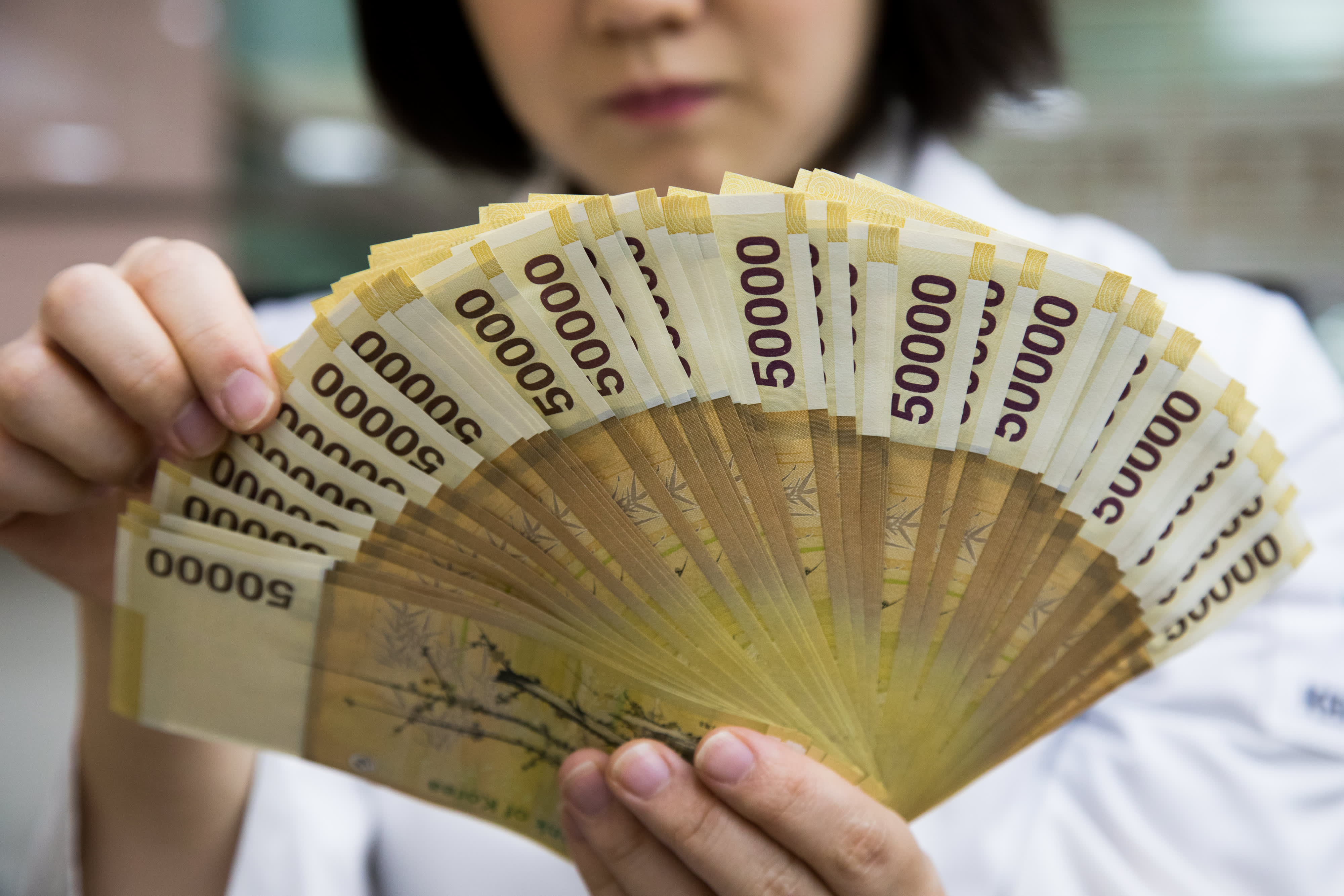
For an individual benchmark, an unidentified union source put one memory-chip employee’s expected total payout at around 626 million won ($410,000) this year on base pay of 80 million won ($52,400).

Separately, the SK Hynix formula could top 700 million won ($454,851) per employee under an annual profit outcome of 250 trillion won this year.

The payouts sit far outside routine pay adjustments.

The Bank of Korea said bonuses normally do not add much demand pressure because they are not permanent income.

It warned, however, that special bonuses expanding unusually and substantially could increase both supply- and demand-side inflationary pressure.

Gyeonggi Luxury Sales Show Where Bonus Cash May Surface

The central bank’s worry is not only about pay packets.

Deputy Governor Lee Jiho said on June 17 that sales had increased significantly in places such as Suwon and in luxury goods sections of department stores, with the potential to spread further.

Gyeonggi Province is a key test area because it is home to major Samsung Electronics and SK Hynix semiconductor facilities.

The Bank of Korea said payment-card growth this year ran relatively higher around chip production sites and nearby residential districts than in other regions.

Luxury consumption appears to be one visible outlet for the bonus effect.

At a Shinsegae department store branch in Gyeonggi Province, luxury sales rose 53.6% year-on-year in May.

Luxury jewelry increased 146.3%, luxury watches rose 85.3%, and overall store sales grew 19%.

The stock market has also priced in stronger high-end consumption.

Lotte Shopping has surged more than 148% year to date, including a 67% gain over the past three months.

Hyundai Department Store is up 120% year to date and 113% in the last three months, while Shinsegae is up 190% from the start of the year and 107% in the last three months.

Chip Bonuses Could Stay Local Or Set A Wage Benchmark

The report stops short of saying chip bonuses have already changed South Korea’s national wage path.

It also does not quantify a national bonus contribution to inflation.

But the central bank is treating AI-era semiconductor profits as a possible macroeconomic channel, not just a company compensation issue.

Investors, retailers and policymakers have to separate those outcomes.

If the bonuses remain concentrated among workers at Samsung Electronics and SK Hynix, the impact may stay local and luxury-heavy.

If other sectors use those payouts as a benchmark, South Korea’s AI memory cycle could feed wage bargaining and inflation expectations well beyond the chip fabs.
Share this article
inXf

Related articles

More
SK hynix Uses HPE Discover to Push AI Memory Beyond HBM
Chips & Semiconductors

SK hynix Uses HPE Discover to Push AI Memory Beyond HBM

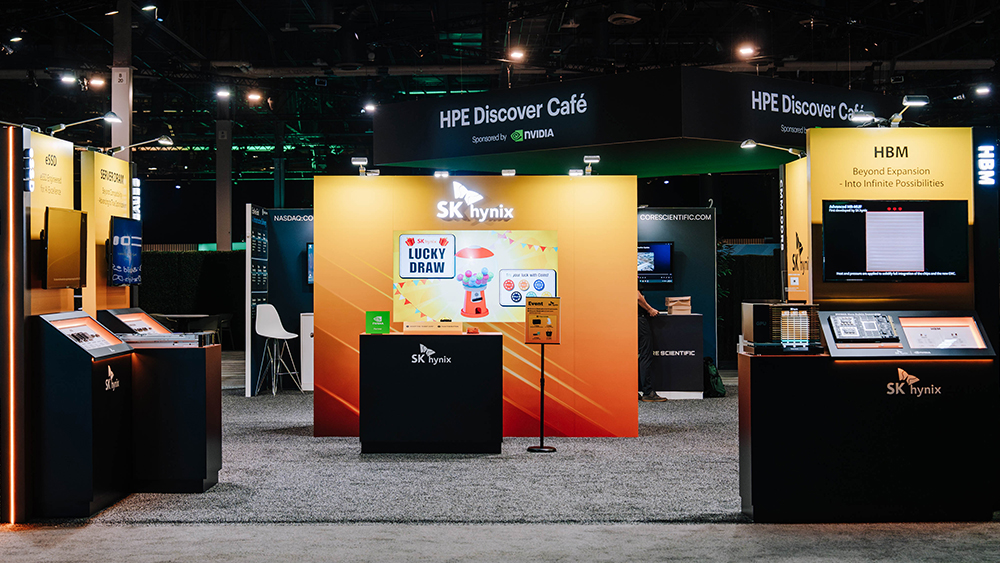
SK hynix used HPE Discover 2026 in Las Vegas to showcase HBM, CMM-DDR5, eSSD and server DRAM products for AI infrastructure buyers. The company said HPE-certified products already deployed in HPE servers include PS1010 E3.S eSSDs based on 176-layer 4D NAND and 64GB DDR5 RDIMM modules built on 1c process technology. The clearest commercial point is HPE certification and supply; the booth display does not by itself show broader customer adoption.

SK hynix Ships HBM4E Samples. AI Memory Buyers Still Need Volume Proof.
Chips & Semiconductors

SK hynix Ships HBM4E Samples. AI Memory Buyers Still Need Volume Proof.

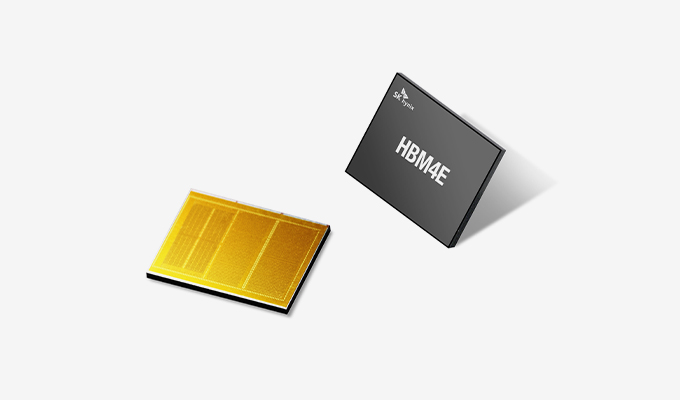
SK hynix has sent 12-layer HBM4E samples to major customers, citing 16Gbps per pin speed and a 48GB stack. The announcement moves the AI memory race from specification claims toward customer qualification and production timing.

Claros Turns Samsung Foundry Into Its AI Power-Chip Test
Chips & Semiconductors

Claros Turns Samsung Foundry Into Its AI Power-Chip Test

Claros says Samsung Electronics will manufacture its integrated voltage regulator at the Austin, Texas fab, giving the startup a U.S. production route for chips meant to reduce power loss near AI processors and support 800 VDC data-center designs.

Arm and Supermicro Put Agentic AI Servers to a CPU Test
Chips & Semiconductors

Arm and Supermicro Put Agentic AI Servers to a CPU Test

Supermicro has introduced new server platforms built around Arm’s AGI CPU for inference-heavy and agentic AI workloads across cloud, enterprise and edge deployments. Arm says the AGI CPU includes up to 136 Arm Neoverse V3 cores, 12 DDR5 memory channels running at up to 8800 MT/s and PCIe Gen6 connectivity within a 300W power envelope. The key test is whether operators can use these CPU-heavy designs to add inference capacity without creating new pressure on power and cooling.

Keep Reading

More Stories

Latest
Intel And AMD Push ACE To Move AI Math Back Onto x86 CPUsChips & SemiconductorsJun 20, 2026Intel And AMD Push ACE To Move AI Math Back Onto x86 CPUsIntel and AMD have released the ACE specification for x86 processors, using AVX10 registers and dedicated matrix-multiplication silicon to make some AI tasks more power-efficient on CPUs rather than GPUs or NPUs.Iran’s World Cup Becomes A Test Of AI Media And Fan MobilizationSportsJun 20, 2026Iran’s World Cup Becomes A Test Of AI Media And Fan MobilizationIran’s 2026 World Cup campaign has turned into a digital contest, with pro-regime AI videos, activist web apps and coordinated social posts showing how global sport can become infrastructure for political messaging.GoPro’s Slide Shows How AI Hardware Is Tilting Toward Chinese BrandsChips & SemiconductorsJun 20, 2026GoPro’s Slide Shows How AI Hardware Is Tilting Toward Chinese BrandsGoPro’s market-share collapse and iRobot’s loss of Roomba control show how Chinese hardware makers are challenging Western consumer-tech pioneers as AI features move into cameras and home robots.Apple's Memory Warning Shows AI Server Demand Reaching Consumer DevicesChips & SemiconductorsJun 20, 2026Apple's Memory Warning Shows AI Server Demand Reaching Consumer DevicesApple is preparing customers for higher prices as AI data-center demand tightens memory supply, exposing how HBM demand from Nvidia-class systems can raise costs for phones, PCs and tablets.Finastra’s Banking Unit Sale Tests Whether Core Modernization Needs A Separate OwnerEconomyJun 20, 2026Finastra’s Banking Unit Sale Tests Whether Core Modernization Needs A Separate OwnerPollen Street Capital plans to acquire Finastra’s Universal Banking business, giving the core banking unit independent ownership while Finastra narrows its focus to payments and lending.Instacart’s Grocery AI Rollout Tests Whether Agents Can Build Baskets Without Breaking TrustAIJun 20, 2026Instacart’s Grocery AI Rollout Tests Whether Agents Can Build Baskets Without Breaking TrustInstacart has rolled out an AI shopping assistant to millions of U.S. customers, with U.S. and Canada expansion planned in the coming months. The assistant turns prompts, photos and deal requests into carts using live inventory from nearly 100,000 stores and data from more than 1.6 billion lifetime orders. The tension is whether larger baskets and personalization can scale while customers still review every decision before checkout.Revolut’s UAE Licenses Put Its Super-App Model Into A Regulated Gulf TestEconomyJun 20, 2026Revolut’s UAE Licenses Put Its Super-App Model Into A Regulated Gulf TestRevolut has completed UAE licensing for stored value facilities and Category II retail payment services, setting up a local launch that will test whether its multi-currency app can translate global banking ambition into a tightly regulated Gulf payments market.Vercel’s Eve Framework Tests Whether Agent Tools Can Escape Shadow AICloud & Data CentersJun 20, 2026Vercel’s Eve Framework Tests Whether Agent Tools Can Escape Shadow AIVercel introduced the open-source eve agent framework and Passport controls for employee-built AI apps, putting its developer platform strategy up against enterprise concerns over unmanaged agents, data exposure and cloud cost premiums.HSBC’s Gulf IPO Pipeline Tests Whether Market Calm Can Restart ListingsEconomyJun 20, 2026HSBC’s Gulf IPO Pipeline Tests Whether Market Calm Can Restart ListingsHSBC Menat chief executive Selim Kervanci said the bank has 45 M&A and IPO mandates across the Gulf and expects listing activity to resume in the fourth quarter. Companies in food, consumer, retail and technology sectors delayed rather than cancelled listing plans during the US-Iran conflict and wider regional lull, leaving a backlog that depends on Q4 valuation clarity to reopen. The open question is whether improved sentiment can translate into valuations strong enough for Gulf issuers to reopen equity capital markets.Buzz HPC’s £220 Million Deal Puts Canada’s Sovereign AI Push on Nvidia RacksCloud & Data CentersJun 20, 2026Buzz HPC’s £220 Million Deal Puts Canada’s Sovereign AI Push on Nvidia RacksBuzz HPC signed a three-year sovereign AI contract with Bell Canada and Cohere, with 2,304 Nvidia Grace Blackwell GPUs planned for Bell Canada’s Merritt data center.Festina Finance Secures Birchway Capital for a Pension-Core Upgrade PushEconomyJun 19, 2026Festina Finance Secures Birchway Capital for a Pension-Core Upgrade PushFestina Finance has secured a growth investment of more than €25 million from Birchway Capital, valuing the Danish pension-technology company at about €200 million. The company says its platforms support customers responsible for about 10 million pension policies and 3 million banking customers across Europe. The funding tests a core operating question for legacy pension administration: whether cloud-native modular systems can replace ageing infrastructure without weakening resilience or control.Goldman’s AI Growth Bet Runs Into a Harder Global EconomyAIJun 19, 2026Goldman’s AI Growth Bet Runs Into a Harder Global EconomyGoldman Sachs chief economist Jan Hatzius said AI infrastructure spending could lift productivity growth, while economists warned that war, debt and trade fragmentation are weighing on the global outlook. The World Bank cut its 2026 global growth forecast to 2.5 per cent and lowered its projection for the Middle East, North Africa, Afghanistan and Pakistan to 1.6 per cent. AI may improve long-run productivity, but energy shocks, export cuts and debt concerns are immediate constraints for emerging markets and Gulf exporters.