Goldman’s AI Growth Bet Runs Into A Harder Global Economy
Goldman Sachs chief economist Jan Hatzius said AI infrastructure spending could lift productivity growth while economists warned that war, debt and trade fragmentation are weighing on the global outlook. The World Bank cut its 2026 global growth forecast to 2.5 per cent and lowered its projection for the Middle East, North Africa, Afghanistan and Pakistan to 1.6 per cent. The useful tension is clear in the data: AI may improve long-run productivity, but energy shocks, export cuts and debt concerns are immediate constraints for emerging markets and Gulf exporters.

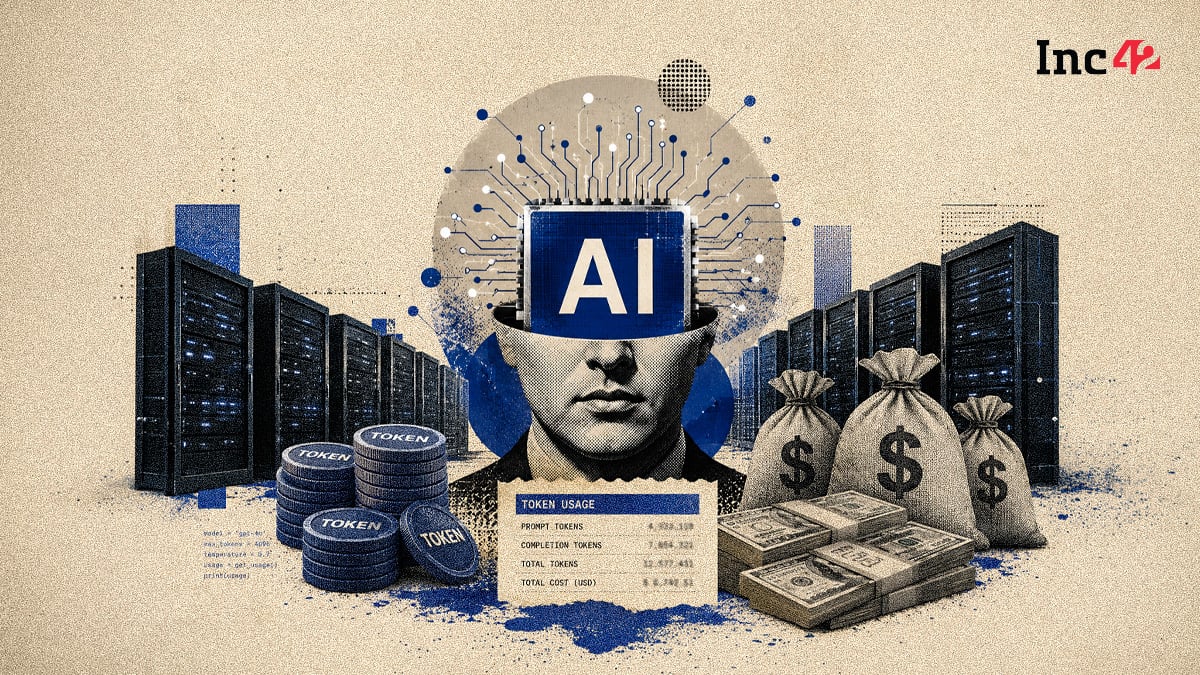
Goldman Sachs is making the optimistic AI case at a difficult moment for the global economy.
Chief economist Jan Hatzius said investment in AI infrastructure is already supporting activity and could lift productivity over the coming decade, while other economists pointed to war, debt and trade disruption as near-term brakes.
AI Optimism Meets A Lower Growth Forecast
The World Bank has cut its 2026 global growth forecast to 2.5 per cent from an estimated 2.9 per cent last year.
It also lowered its 2026 outlook for the Middle East, North Africa, Afghanistan and Pakistan to 1.6 per cent from 1.8 per cent.
That makes the Goldman view more than a simple technology call.
Hatzius told a Council on Foreign Relations event in New York that most of the topics around the global economy are negative, but he still sees “one big positive” in faster underlying productivity growth.
His AI argument rests on infrastructure spending and productivity, not consumer app hype.
Hatzius estimated that AI could provide about one and a half percentage point of annual productivity-growth support over a 10-year transition period.
Goldman Sachs has lifted its long-term GDP growth forecast to 2.5 per cent from 1.75 per cent before the pandemic.
Debt And Energy Are The Immediate Friction
Hatzius also flagged a different risk: the assumption that debt can keep rising without political resistance.
That warning sits beside the World Bank downgrade, where wars, fragmented trade and weaker investment are already reducing growth expectations.
Natasha Sarin, founder of Yale University's Budget Lab, said emerging markets are taking the hardest economic hit from the Iran war.
She pointed to disrupted energy markets, higher oil prices and delays in refined-product shipments, with recovery for infrastructure and supply chains measured in months or years rather than days.
The Gulf angle is direct.
Opec said it still expects world oil demand to reach 113.3 million barrels per day in 2030, and Gulf exporters have had to make significant export cuts this year because of the Strait of Hormuz closure and attacks on key energy sites.
Productivity Gains Still Need A Stable Operating Base
AI infrastructure spending can support economic activity before productivity gains are fully visible.
Data centres, chips, cloud capacity and enterprise deployments all require capital, power and long planning cycles.
The source material supports the investment-and-productivity link, but it does not prove how quickly AI gains will reach weaker emerging-market economies.
Doug Rediker of International Capital Strategies argued that the Iran war's consequences may become more strategic than economic.
IMF managing director Kristalina Georgieva wrote that inflation expectations, financial conditions and commodity prices have been affected, while also warning that intensified conflict or disruption would create a clear risk to global growth.
The Evidence Has To Move Beyond Forecasts
The next useful evidence will not be another broad AI claim.
It will be whether companies can turn infrastructure spending into measurable productivity while governments manage debt, energy costs and trade fragmentation.
For Gulf exporters and emerging markets, the harder question is whether AI-led efficiency gains arrive fast enough to offset the current pressure from shipping delays, oil-market disruption and weaker investment.