GoPro’s Slide Shows How AI Hardware Is Tilting Toward Chinese Brands
GoPro’s market-share collapse and iRobot’s loss of Roomba control show how Chinese hardware makers are challenging Western consumer-tech pioneers as AI features move into cameras and home robots.
GoPro’s Camera Lead Has Become A Hardware Warning
GoPro’s fall in action cameras is no longer only a story about one company missing a product cycle.
It has become a warning about how quickly Chinese consumer-hardware makers can turn a category pioneered in the United States into a tougher fight over manufacturing scale, product speed and AI-enabled features.
The source example is stark.
GoPro launched the action-camera category in 2002 and still held an estimated 75% of the global market in 2022.
In early June, the company warned in a regulatory filing that its future operations were in question.
Its share now sits near 18%, a three-year collapse that shows how little room was left after weaker sales, memory-cost pressure and rivals with faster hardware refresh cycles.
The shift is visible in the brands consumers now encounter.
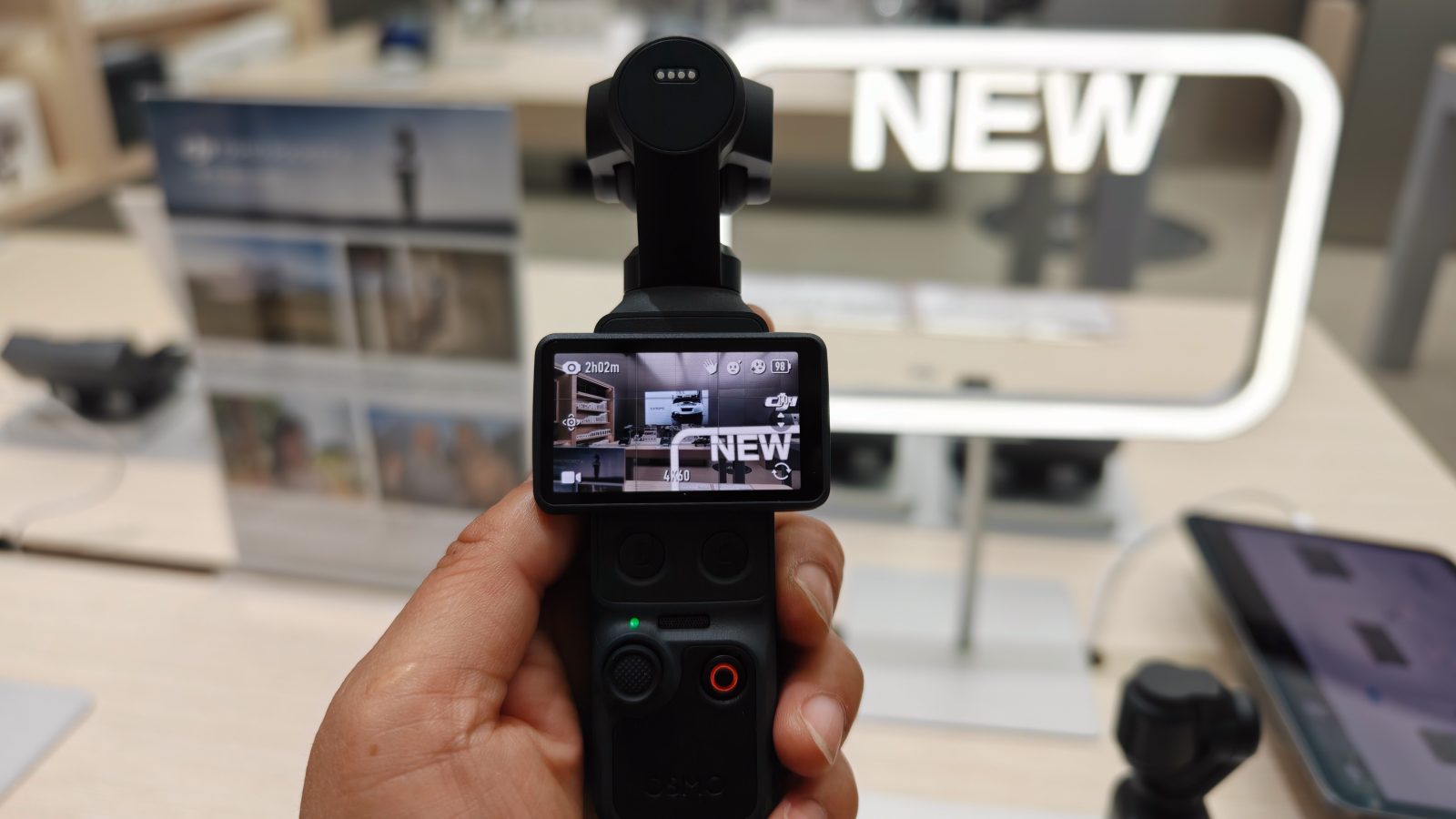
DJI and Insta360, both Chinese companies, are described as the two names repeatedly recommended by divers, travel creators and outdoor users.
Together, they now account for over 80% of the action-camera market.
The competitive lesson is not only price.
Faster model rollouts and AI-powered editing features make the camera category depend on software experience as much as rugged hardware.
For GoPro, that means the memory-chip shortage landed on a business that was already exposed.
The company’s own filing pointed to rising costs, but the market history shows a longer squeeze: smartphones reduced the need for a separate camera for many users, product bets failed to restore momentum, and Chinese brands kept improving the devices most visible to creators and outdoor buyers.
GoPro cited rising costs from the global memory chip shortage.
The broader pressure, however, is competition from DJI and Insta360 after years of sales declines and failed product bets.
GoPro peaked in 2015, DJI entered action cameras in 2019, and Insta360’s arrival in 2022 intensified the pressure as the Chinese companies moved faster with new models and AI-powered editing features.
Robot Vacuums Show The Same Competitive Pattern
The same pattern is appearing in home robotics.
Chinese robot-vacuum brands including Dreame and Roborock have become major players in a category once defined by iRobot and its Roomba line. iRobot, which invented the home cleaning robot that became Roomba, struggled to keep its lead, filed for bankruptcy in December last year and was acquired by its Chinese manufacturer, Picea Robotics.
That comparison matters because action cameras and robot vacuums are not identical products.
One is built around creators, sports and travel; the other around autonomous home cleaning.
Yet both markets show Western pioneers losing advantage as Chinese manufacturers compete through faster product cycles, lower-cost hardware execution and increasingly software-driven features.
The AI angle is not that every device becomes strategically important overnight.
It is that more consumer hardware now depends on cameras, sensors, microphones, mapping, editing tools and automated decision-making.
As these capabilities move into everyday devices, hardware competition starts to look less like a simple gadget fight and more like a contest over who controls intelligent products inside homes, vehicles and creative workflows.
Security Concerns May Become The Western Counterweight
Chinese consumer-tech gains are also running into policy and trust limits.
Robot vacuums have drawn data-security concerns because they use cameras, sensors, microphones and detailed maps of users’ homes.
The source also points to limits already placed on other China-made technology products in the United States, including drones and electric vehicles.
Those concerns create a possible opening for Western brands, but not an easy one.
GoPro is exploring a pivot toward defense and aerospace markets, a move that suggests security-sensitive buyers may value trusted hardware even when consumer buyers choose faster or cheaper products.
The unresolved test is whether that narrower trust advantage can compensate for lost consumer scale.
DJI, Insta360, Dreame and Roborock show that Chinese brands can compete beyond low-cost manufacturing when product cycles, sensors and AI features matter.
For Western consumer-tech pioneers, the harder question is whether security positioning is enough after the mainstream gadget market has already moved.