SK Hynix Plans Nasdaq ADR As AI Memory Demand Lifts Fundraising
SK Hynix plans a Nasdaq ADR listing that could raise 45.45 trillion won, giving global investors a new route into AI memory demand while capacity plans remain tied to Korea and Indiana.
SK Hynix Takes AI Memory Demand To Nasdaq
SK Hynix is turning investor demand for AI memory into a U.S. market transaction.
The South Korean chipmaker’s shares rose as much as 11% after it said it plans to raise as much as $29.4 billion through a Nasdaq listing of American depositary receipts.
The company plans to issue 17.79 million new shares in ADR form.
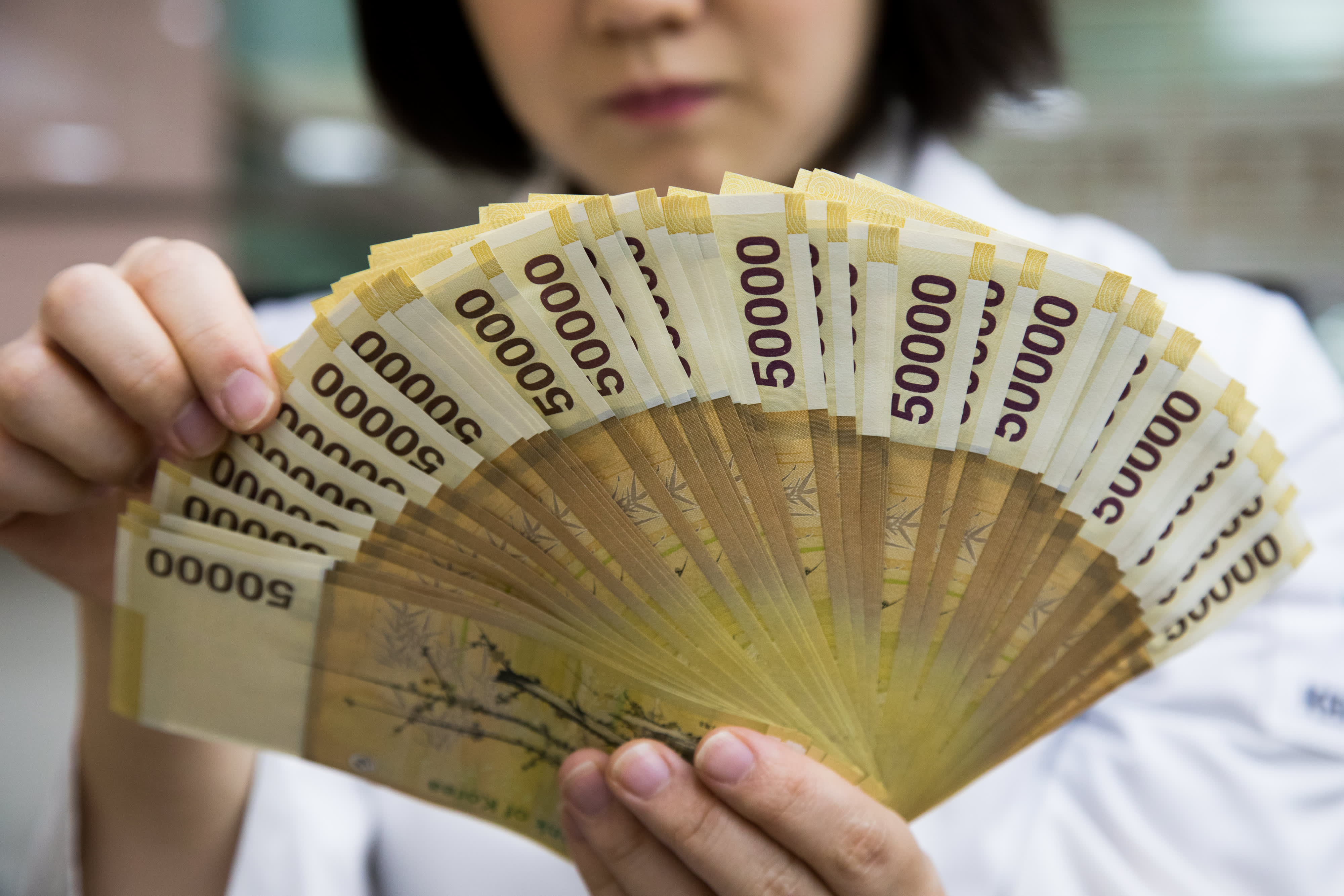
CNBC cited a regulatory filing that put the possible proceeds at 45.45 trillion won, equal to $29.65 billion.
Trading is expected to begin July 10, although SK Hynix said the timetable remains subject to change.
The filing shifts the story beyond a simple share-price rally.
SK Hynix framed the ADR plan as a way to reach more investors and bring its market value closer to management’s view of the business.
The company also said the move would increase its touchpoints in the United States, which it called the epicenter of AI technological innovation.
The timing is important for capital markets because SK Hynix is already one of the major listed routes into high-bandwidth memory demand.
A larger U.S. investor base could make the company more visible to funds that want AI hardware exposure but do not trade Korean equities as actively as U.S.-listed securities.
Capital Access Meets Memory Capacity
The fundraising plan lands while SK Hynix is expanding for AI chip demand.
The company is developing its Yongin semiconductor cluster in South Korea, expected to begin operations in 2027, and is also building a $4 billion advanced chip-packaging plant in Indiana.
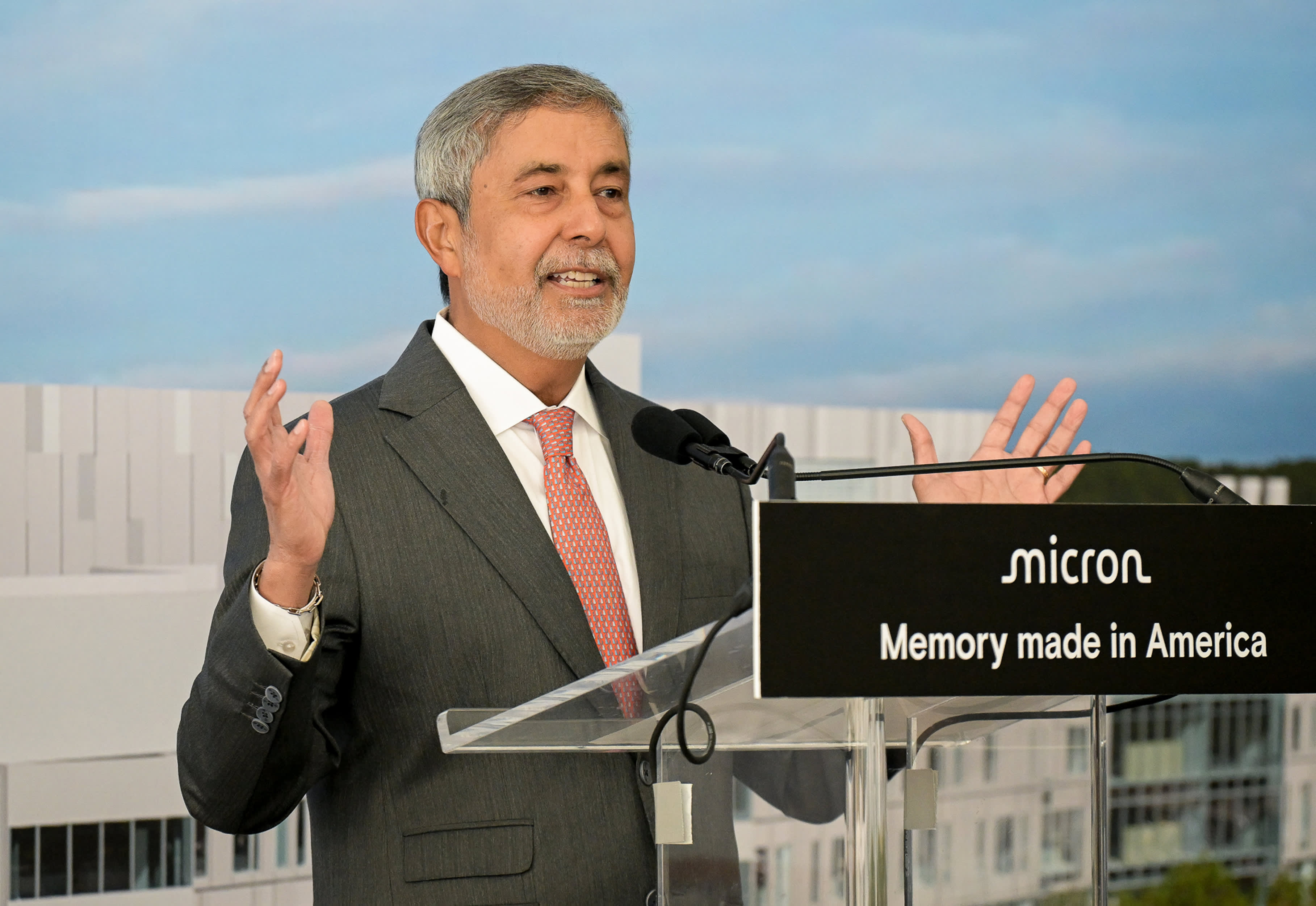
Rolf Bulk, head of semiconductors and infrastructure at Futurum Group, said the ADR listing is mainly about widening access to U.S. investors and narrowing the valuation gap with Micron.
He said SK Hynix gives investors a direct way to participate in AI-driven memory demand, while its Korea-only listing had limited access for many global investors.
Capital-market access does not solve the supply question by itself.
The report linked the fundraising backdrop to analyst expectations that high-bandwidth memory constraints are likely to persist for years as hyperscalers keep increasing AI infrastructure spending.
For investors, that means the ADR would not simply track a chip cycle.
It would expose U.S. market buyers to a company whose valuation depends on memory pricing, advanced packaging, Korean production expansion and whether AI server demand keeps absorbing high-bandwidth memory supply faster than manufacturers can add capacity.
Asian Chip Rally Follows The Filing
The move also lifted other Asian technology names.
Samsung Electronics advanced over 4%, Taiwan’s TSMC added 1%, Tokyo Electron climbed about 3%, Advantest rose more than 2%, Lasertec added over 2% and SoftBank Group gained around 1%.
For SK Hynix, the public-market burden is now specific.
It has a planned ADR issue, a July 10 expected trading date, a Yongin cluster timeline and a $4 billion Indiana packaging project, but the company said the listing timetable may still change and the report did not provide a customer-by-customer capacity allocation for AI memory buyers.