DEWA Puts AI And Reserves Behind Dubai Utility Readiness
DEWA chief Saeed Mohammed Al Tayer said Dubai has about 18,000 megawatts of electricity capacity, expanding clean-energy capacity and AI-backed utility operations as the city prepares for growth and crisis continuity.
DEWA Ties Utility Readiness To Capacity And AI Operations
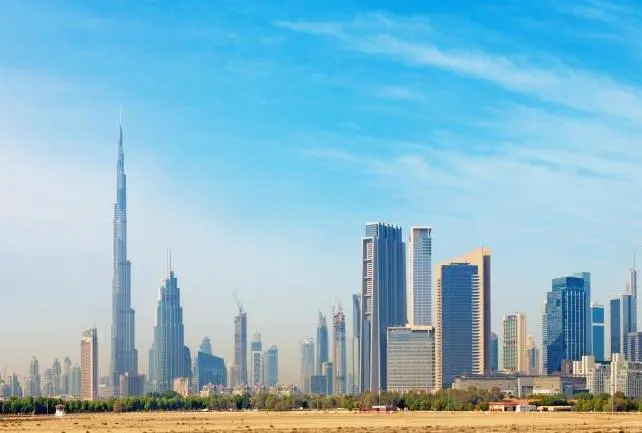
Dubai Electricity and Water Authority is presenting energy and water security as a core operating layer for Dubai's growth, not only as a sustainability programme.
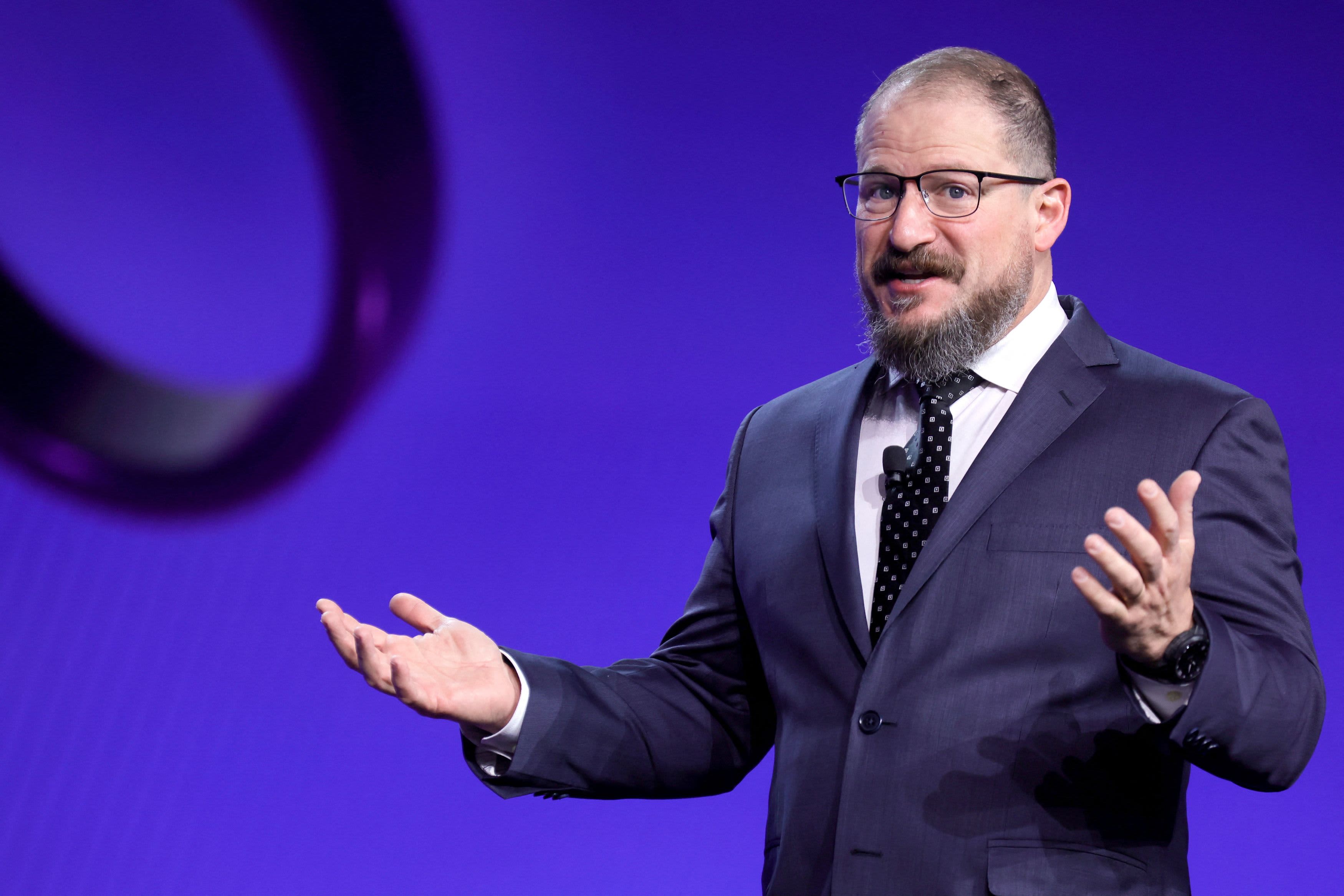
Saeed Mohammed Al Tayer, DEWA's managing director and chief executive, told a Dubai Press Club session that the emirate has about 18,000 megawatts of electricity production capacity, supported by conventional and renewable energy.
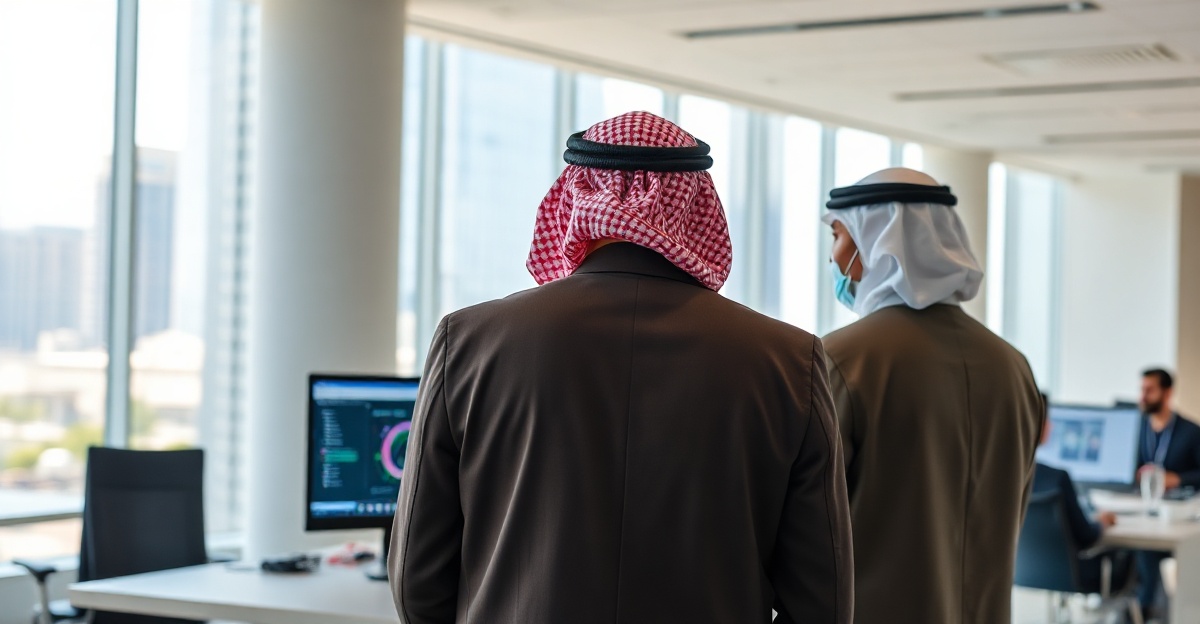
The discussion matters for technology investors because DEWA linked utility reliability to smart operations, crisis planning and digital infrastructure.
Al Tayer said Dubai has used AI since 2017, including the Rammas virtual employee developed with Microsoft, and said smart meters and connected systems support real-time consumption monitoring and leak detection.
DEWA also connected utility operations to data infrastructure.
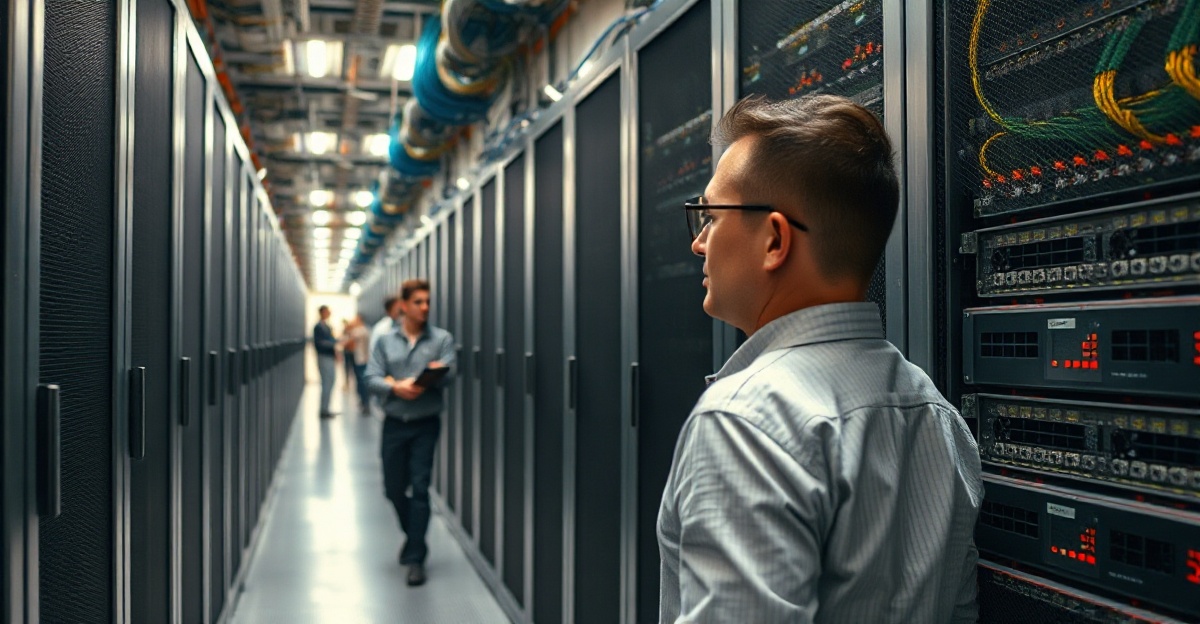
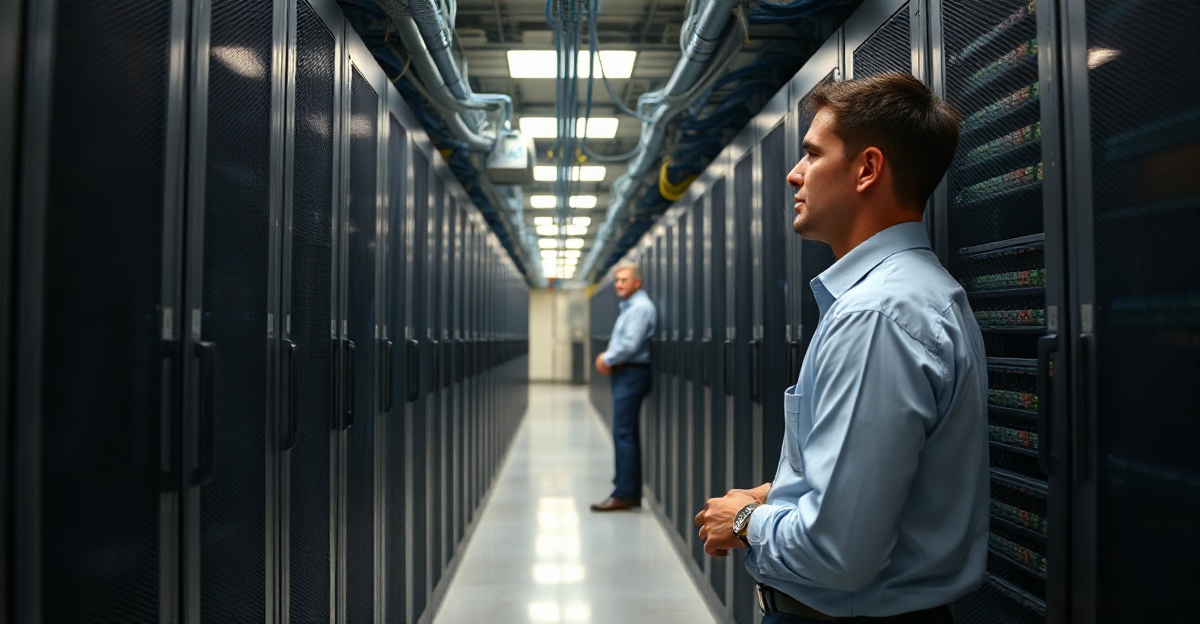
Al Tayer pointed to the Moro data centre under DEWA Digital as part of the authority's support for AI, big data and cybersecurity.
The session did not give the data centre's capacity or customer list, so the clearest evidence is DEWA's role as a utility and digital-operations operator rather than a new data-centre expansion.
Solar Park And Water Storage Define The Resilience Plan
Al Tayer said DEWA holds leading positions across 13 key performance indicators.
One reliability figure was 49 seconds of average annual service interruption for each customer, while network-loss figures were 2% for electricity and 4.4% for water.
Clean energy remains anchored in the Mohammed Bin Rashid Al Maktoum Solar Park.
Al Tayer gave a 2030 target above 8,000 megawatts for clean-energy capacity from the solar park, and said the site brings together photovoltaic systems, concentrated solar power, battery storage and green hydrogen technologies.
The solar park claim is supported by several operating records.
The session cited a 700 megawatt single-operator concentrated solar power plant, a concentrated solar power tower of 263.126 metres, and 15 hours of thermal storage.
Those figures give the article a physical-infrastructure base rather than a broad clean-energy slogan.
Water security is part of the same readiness model.
Al Tayer said DEWA uses high-efficiency reverse osmosis and operates an underground aquifer storage and recovery project.
The reserve holds 6 billion gallons and is designed for immediate use in emergencies.
He also cited a water interconnection system with other emirates that allows flows to move according to demand.
Growth Plans Depend On Reliability During Crises
Mona Ghanem Al Marri, who leads the Dubai Press Club and serves in senior Dubai Media Council roles, said electricity and water services support sustainable development and quality of life.
The official framing is broad, but the operational details are specific: capacity, loss rates, storage, smart meters, AI and crisis continuity.
For Dubai's digital economy, the utility question is whether infrastructure can keep pace with population growth, business activity, data operations and AI-related demand.
DEWA's figures show a utility system with large capacity and resilience tools, while the session did not disclose future grid investment, Moro data centre capacity or the extra load expected from AI workloads.
Dubai's current utility-readiness case rests on about 18,000 megawatts of electricity capacity, a solar park target above 8,000 megawatts by 2030, immediate-access water reserves of 6 billion gallons and DEWA's continued use of AI, smart meters and connected systems for operations.