Circle And INFINIOS Put Stablecoin Rails Into Middle East Payments
Circle and Bahrain-based INFINIOS signed an agreement to connect USDC, EURC and onchain payment APIs with payment, treasury and settlement tools for Middle East businesses and financial institutions.
Circle And INFINIOS Target Regional Payment Rails
Circle and INFINIOS have signed a strategic agreement to expand digital finance infrastructure across the Middle East and beyond, with the work centered on stablecoin-powered payments, treasury tools and digital asset services for businesses and financial institutions.
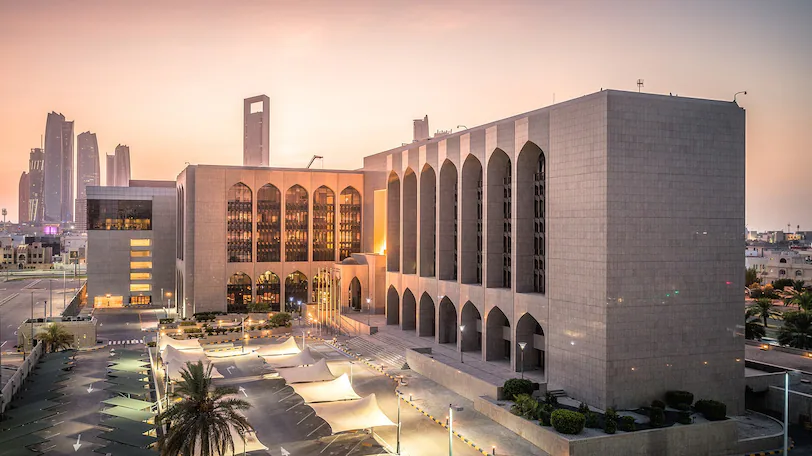
INFINIOS is headquartered in the Kingdom of Bahrain and is licensed and regulated by the Central Bank of Bahrain.
Circle said the integration will connect INFINIOS to USDC, EURC and onchain payment APIs that can support company payouts and treasury workflows.
The agreement is not a retail wallet launch.
It is an infrastructure arrangement aimed at enterprise and institutional use cases, where payment firms, platforms and financial institutions need settlement, liquidity and compliance controls before stablecoin tools can become part of operating workflows.
Circle listed intended use cases for the integration: cross-border payments, liquidity management for treasuries, merchant settlement, platform payouts, tokenized financial services and embedded finance.
The companies also tied the work to KYC, AML/CFT and data protection standards.
Bahrain Licence Gives The Deal A Regulatory Anchor
INFINIOS brings the regional regulatory base.
Circle described INFINIOS as a Central Bank of Bahrain licensed and regulated financial institution, a principal scheme member, and a regional issuer and processor of virtual commercial cards.
The Bahrain licence gives Circle a regulated payments partner for the Middle East integration.
Circle's release presents the deal as support for compliant payment and settlement solutions, not as a permissionless crypto rollout.
Sherif Abdelsalam, chief executive officer of INFINIOS, said the partnership with Circle is intended to build infrastructure for seamless, compliant and scalable financial innovation.
Circle's Middle East and Africa managing director, Dr. Saeeda Jaffar, said regional businesses and financial institutions are seeking faster and more connected ways to move value globally.
The companies did not disclose transaction volumes, customer names, bank partners, fee terms or a first live deployment under the agreement.
Those missing details keep the announcement in the infrastructure-integration stage rather than proving enterprise adoption.
Circle And INFINIOS Have No Live Corridors Yet
For Gulf and Middle East payment firms, stablecoin settlement still has to move from partnership language into bank-grade operations.
Circle's release gives the product components: USDC, EURC, onchain payment APIs, Circle Payments Network and enterprise blockchain infrastructure.
Circle described its platform as including digital assets, payment applications and programmable blockchain infrastructure.
INFINIOS said its role is focused on payment and settlement solutions for global commerce, including virtual commercial card issuing and processing in the region.
Live corridors, named merchants, settlement volumes, treasury users or financial institutions would show whether the integration is moving into daily payment operations.
Circle did not provide those results in the announcement.
A Bahrain-regulated fintech is linking its payment and settlement stack to Circle's stablecoin infrastructure, while the agreement frames compliance, interoperability and treasury use cases as the first operating layer.
Circle and INFINIOS have put USDC, EURC and onchain payment APIs into a Middle East payments-infrastructure agreement; the companies have not yet named the first live users, settlement volumes or launch corridors.