Chile Cable Dispute Turns AI Data Routes Into A Sovereignty Fight
Chile’s review of a $500-million China Mobile subsea cable proposal collided with U.S. pressure, while Google’s 14,800-kilometer Humboldt route remains the country’s approved Asia-Pacific link.
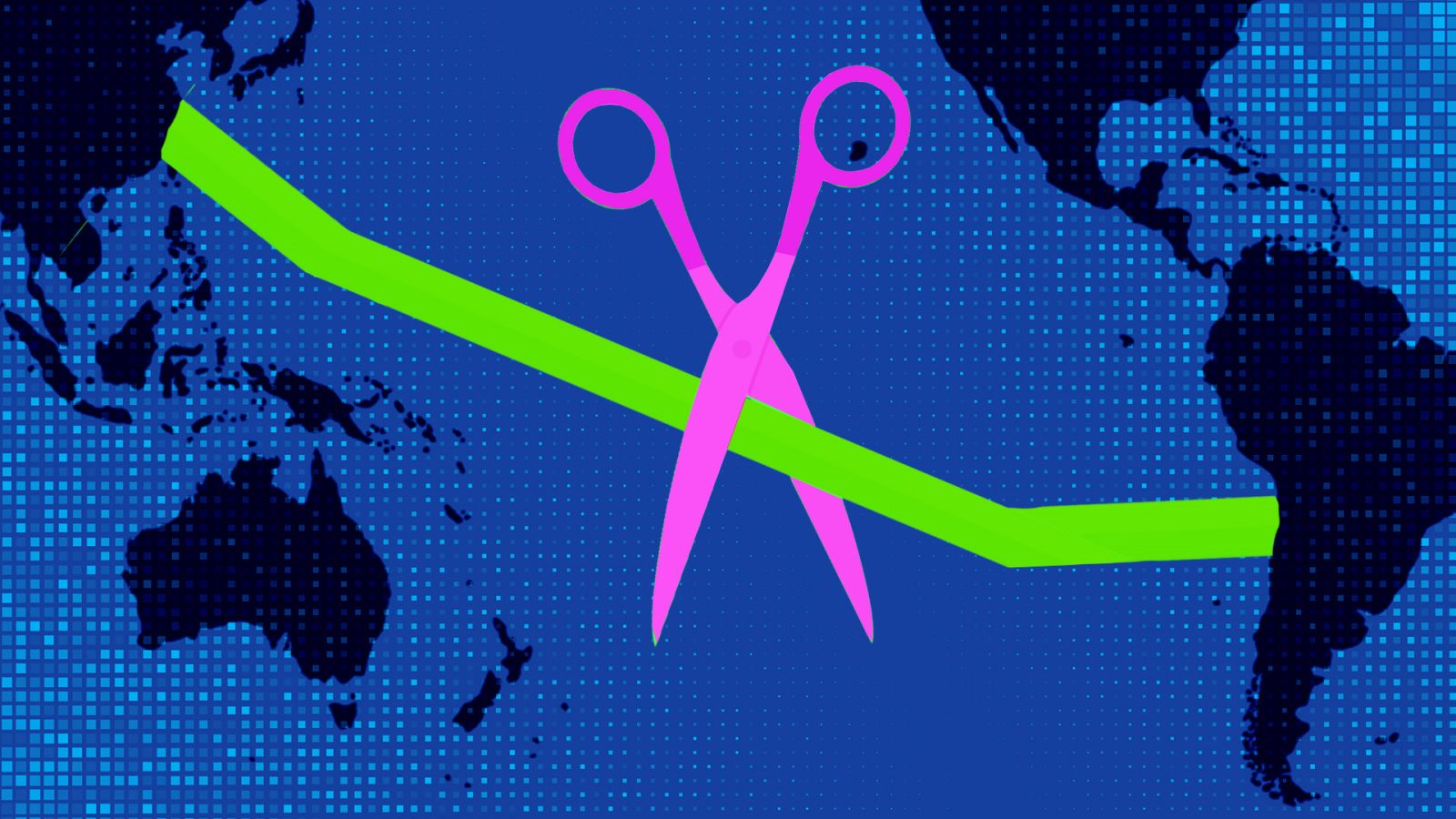
Chile’s Cable Review Draws U.S. Pressure
Chile’s attempt to add a direct data route to Asia has become a sovereignty test for digital infrastructure.
A $500-million proposal from state-owned China Mobile would link Valparaíso and Hong Kong through the Chile-China Express cable, but the officials reviewing the plan were hit by U.S. visa restrictions in February 2026.
Juan Carlos Muñoz, who led Chile’s transportation and telecommunications ministry at the time, was among three officials whose diplomatic visas were canceled.
The U.S. State Department notice said the officials had compromised critical telecommunications infrastructure and undermined regional security.
Muñoz said the action damaged his reputation and limited travel to a country important to his work.
The cable decision matters because artificial intelligence demand is increasing pressure on the subsea networks that carry most global data traffic.
Chile wants a stronger connection to Asia, but the route choice now sits inside a wider U.S.-China contest over who controls digital infrastructure across Latin America.
Google’s Humboldt Route Does Not End The Redundancy Problem
Chile already has a U.S.-linked path under development.
Google announced in 2024 an agreement to connect Chile to Australia through the 14,800-kilometer Humboldt cable, which is expected to become operational by 2027.
Chile had previously explored a Huawei cable to Shanghai in 2019, but that plan was shelved under U.S. pressure.
The China Mobile plan would be larger.
Chile’s telecom ministry initially approved the 20,000-kilometer Chile-China Express cable in January 2026 before rescinding approval two days after a meeting at the U.S. Embassy in Santiago.
The ministry cited a technical error.
Former President Gabriel Boric later said he told officials to reverse course after U.S. warnings about long-term consequences and said the cable decision needed public debate.
President José Antonio Kast’s administration first argued that Google’s Humboldt cable made the Chinese route unnecessary.
Officials later said the China Mobile project continues to be assessed.
Pedro Huichalaf, a cybersecurity researcher and former Chilean undersecretary for telecommunications, said Chile still has a case for redundancy through a main and secondary route to Asia.
Data Routes Become Infrastructure Risk
The dispute shows why subsea cables are no longer only telecom assets.
U.S. technology companies including Alphabet, Meta and Amazon now own large portions of the cable market for their own data traffic.
That leaves governments dependent on a small set of corporate routes even when national trade, AI workloads and public-sector systems need resilient connectivity.
China also has a deeper digital presence in South America through China Telecom, Huawei, ZTE and Alibaba Cloud operations in 5G networks and data centers across Mexico, Brazil, Chile, Peru and Argentina.
For Chile, China is also its main trading partner, which makes a direct Asia route a commercial and diplomatic issue as well as a network-engineering choice.
Chile now has an approved 14,800-kilometer Google route expected in 2027, a 20,000-kilometer China Mobile proposal still under assessment, and no settled answer on whether one U.S.-aligned route gives the country enough redundancy for AI-era data traffic.