Lenovo opens Japan liquid cooling lab as AI data centers face power pressure
Lenovo Japan opened Neptune Lab for liquid cooled AI infrastructure testing inside MC Digital Realty NRT12 data center in Chiba. The project targets rising AI power density and cooling constraints as Japan AI investment and data center electricity demand grow. The lab lets customers test servers, coolant distribution, racks, networking and monitoring before production deployments.
Japan AI infrastructure bottleneck moves to cooling
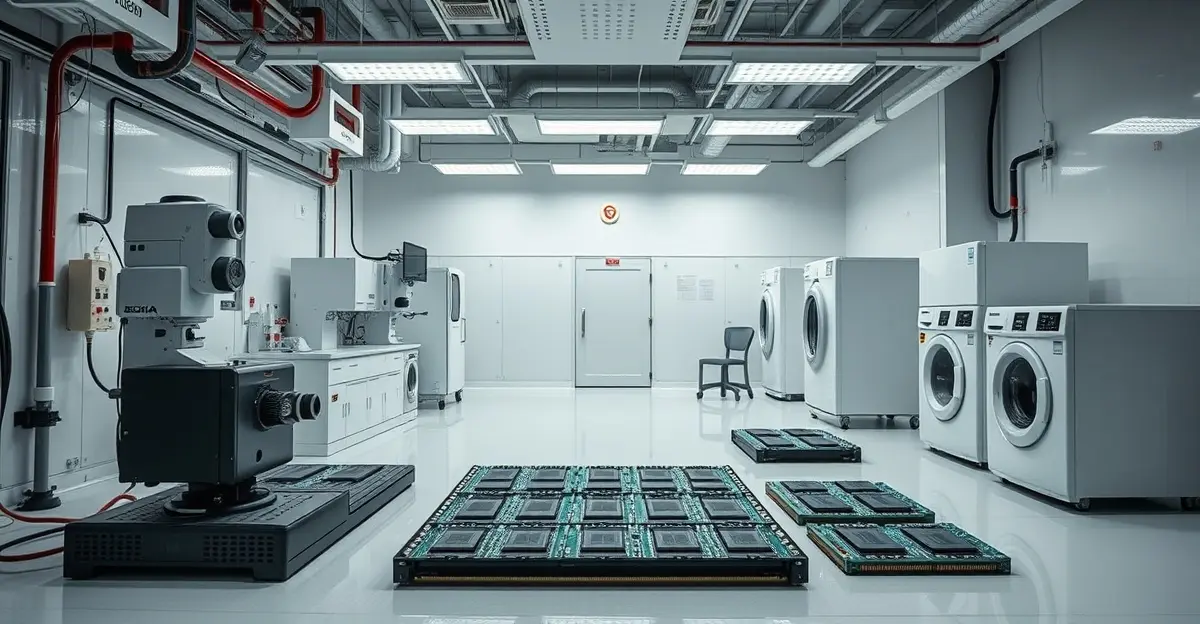
Lenovo Japan has opened Neptune Lab, a liquid cooling verification site for AI infrastructure inside MC Digital Realty NRT12 data center in Inzai, Chiba.
The facility is designed for customers preparing production AI deployments, giving them a place to examine servers, coolant distribution units, racks, networking and monitoring as one operating environment rather than isolated components.
The launch points to a larger constraint in Japan data center market.
AI inference is increasing power density, while the country faces limits around electricity supply, climate conditions and the pace of new data center readiness.
Lenovo Japan President Taro Hiyama said domestic AI investment from 2023 to 2027 is expected to rise by two to three times, while AI related power consumption including data centers could roughly triple from 2025 to 2030.
Why liquid cooling is becoming strategic
Lenovo Enterprise Solutions President Cho Rai said air cooling is becoming a bottleneck for AI businesses because cooling can consume a large share of data center electricity.
University of Tokyo professor Hiroshi Esaki framed the change as a shift from cooling equipment to moving heat efficiently, noting that high density CPUs and GPUs have altered the thermal profile of computing.
The article says participants expect liquid cooling to improve heat transfer, water efficiency and electricity use compared with air cooling.
Intel Japan executive Daizo Takahashi connected the issue to AI demand, saying more workloads require more GPUs, CPUs and servers, which makes power efficiency central to infrastructure growth.
Neptune design and ecosystem role
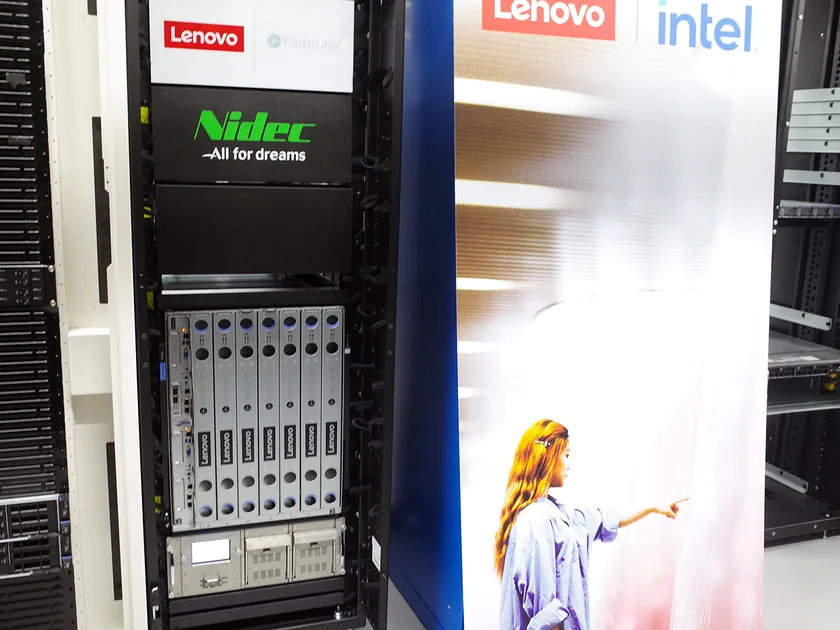
Lenovo described Neptune as a sixth generation liquid cooling technology with more than a decade of development.
The company highlighted warm water operation at 45 to 55 degrees Celsius and the use of purified water in the secondary loop between coolant distribution units and servers.
The design is intended to support environmental goals and work with data center primary loops that may use other fluids.
MC Digital Realty provides the operating data center setting, Intel contributes chip level context, and Nidec discussed reliability requirements for coolant distribution units, including redundancy and leak testing.
The question is whether the lab can reduce enterprise hesitation around water cooled AI systems by standardizing facility requirements, leak detection, floor load planning and operating procedures.
Summary version for Medium
Lenovo opens Japan liquid cooling lab as AI data centers face power pressure
Why Lenovo opens Japan liquid matter now for cloud infrastructure teams
Quick Summary: Lenovo Japan opened Neptune Lab for liquid cooled AI infrastructure testing inside MC Digital Realty NRT12 data center in Chiba. The project targets rising AI power density and cooling constraints as Japan AI investment and data center electricity demand grow.
Japan AI infrastructure bottleneck moves to cooling
Lenovo Japan has opened Neptune Lab, a liquid cooling verification site for AI infrastructure inside MC Digital Realty NRT12 data center in Inzai, Chiba. The facility is designed for customers preparing production AI deployments, giving them a place to examine servers, coolant distribution units, racks, networking and monitoring as one operating environment rather than isolated components.
Why liquid cooling is becoming strategic
Lenovo Enterprise Solutions President Cho Rai said air cooling is becoming a bottleneck for AI businesses because cooling can consume a large share of data center electricity.
- Point 1: The central topic is Japan, with the announcement framed around concrete operating detail.
- Point 2: University of Tokyo professor Hiroshi Esaki framed the change as a shift from cooling equipment to moving heat efficiently, noting that high density CPUs and GPUs have altered...
The important shift is not the AI label, but the operating boundary it creates for teams.
Neptune design and ecosystem role
Lenovo described Neptune as a sixth generation liquid cooling technology with more than a decade of development. The company highlighted warm water operation at 45 to 55 degrees Celsius and the use of purified water in the secondary loop between coolant distribution units and servers.
Read the Full Deep Dive
Want to explore the complete technical analysis, enterprise trade-offs, and detailed metrics?
Read the full article originally published at SendTech Times