Sheetz Moves 11,000 VMs Off VMware After Broadcom Licensing Shift
Ars Technica reported that Sheetz is moving around 11,000 VMs across 838 locations from VMware vSphere to StorMagic SvHCI. The convenience-store chain has migrated more than 600 stores, while contract values, software licensing costs and final support terms remain outside the report.
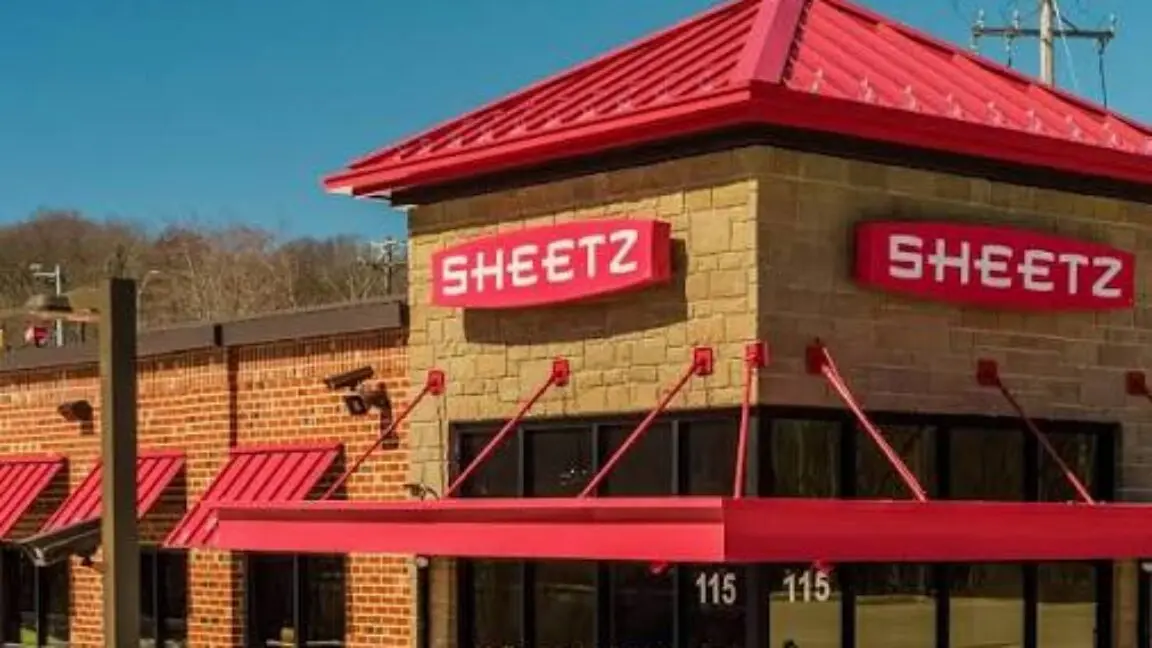
Sheetz is moving around 11,000 VMs across 838 locations from VMware vSphere to StorMagic SvHCI after Broadcom's licensing changes made the chain's infrastructure budget harder to plan.
Ars Technica reported that the convenience-store operator began evaluating alternatives after VMware's acquisition by Broadcom shifted more customers towards subscription bundles, five-year commitments and broader software packages.
Sheetz runs most store systems from local infrastructure, not from a central cloud-only design.
Sheetz Is Migrating 838 Store Locations
The migration covers 838 locations and about 11,000 VMs.
The report said store-level figures list about 12-14 virtual machines per location, and Sheetz also added temporary Windows 10-to-11 transition machines during the project.
The report said more than 600 stores have already moved to StorMagic SvHCI.
The company has averaged about 200 store migrations per month and expects the remaining sites to be completed in about four months, according to the report.
The VMware environment supported point-of-sale systems, back-office workloads and other store operations.
The report identified the virtualisation layer, rather than the retailer's application stack, as the part being replaced.
Broadcom Licensing Pushed The Budget Question
The same report said Sheetz began looking at VMware alternatives after Broadcom's licensing changes created uncertainty over future costs and contract structure.
The company wanted to avoid being boxed into a single supplier or a five-year deal without clearer pricing.
Broadcom's VMware overhaul bundled more products into subscription packages, moved customers away from perpetual licences and raised concerns among organisations with large VMware estates.
The retailer selected StorMagic because the system was already aimed at edge sites that need local resilience with limited IT staff.
StorMagic SvHCI combines virtualisation, storage and management for small distributed locations.
In the Sheetz case, the appeal was not only software replacement; the report framed the decision around store-level reliability, licensing control and avoiding a larger VMware bundle than the retailer wanted.
Store Infrastructure Remains The Proof Point
The migration record now includes completed stores and a remaining timetable.
The public account still lacks contract values, final support terms, measured savings, failure-rate data and post-migration performance results for the StorMagic deployment.
Summary version for Medium
Sheetz Moves 11,000 VMs Off VMware After Broadcom Licensing Shift
Why Sheetz Moves 11,000 VMs matter now for cloud infrastructure teams
Quick Summary: Ars Technica reported that Sheetz is moving around 11,000 VMs across 838 locations from VMware vSphere to StorMagic SvHCI. The convenience-store chain has migrated more than 600 stores, while contract values, software licensing costs and final support terms remain outside the report.
Sheetz Is Migrating 838 Store Locations
The migration covers 838 locations and about 11,000 VMs. The report said store-level figures list about 12-14 virtual machines per location, and Sheetz also added temporary Windows 10-to-11 transition machines during the project.
Broadcom Licensing Pushed The Budget Question
The same report said Sheetz began looking at VMware alternatives after Broadcom's licensing changes created uncertainty over future costs and contract structure.
- Point 1: The central topic is cloud-data-centers, with the announcement framed around concrete operating detail.
- Point 2: The company wanted to avoid being boxed into a single supplier or a five-year deal without clearer pricing.
The important shift is not the AI label, but the operating boundary it creates for teams.
Store Infrastructure Remains The Proof Point
The migration record now includes completed stores and a remaining timetable. The public account still lacks contract values, final support terms, measured savings, failure-rate data and post-migration performance results for the StorMagic deployment.
Read the Full Deep Dive
Want to explore the complete technical analysis, enterprise trade-offs, and detailed metrics?
Read the full article originally published at SendTech Times