Railway Raises $100 Million As AI Coding Pushes Cloud Deployment Claims
VentureBeat reported that Railway raised $100 million in a Series B round led by TQ Ventures, with the cloud startup citing more than 10 million deployments each month and two million developers. The company described sub-second deployment, customer cost-saving claims and its own data-centre buildout, but did not disclose audited benchmarks, full enterprise contract values or customer-level deployment scope.

VentureBeat reported that Railway raised $100 million in Series B funding as the San Francisco cloud startup argues that AI coding tools are making slow deployment cycles harder to tolerate.
VentureBeat reported that TQ Ventures led the round, with FPV Ventures, Redpoint and Unusual Ventures also participating.
The company told VentureBeat that more than two million developers use the platform and that it processes more than 10 million deployments each month.
Railway also cited more than one trillion requests through its edge network, while tying the demand to developers using AI coding assistants to produce software faster.
Railway Raises $100 Million For AI-Native Cloud Infrastructure
The company entered the round with a smaller financing history.
VentureBeat reported previous outside funding of $24 million, including a $20 million Redpoint Series A in 2022.
Railway founder and chief executive Jake Cooper told the outlet that the company raised because it sees room to accelerate, not because it needed survival capital.
Railway plans to use the new money to expand its global data-centre footprint, increase a 30-person team and build a formal go-to-market operation.
The company had hired its first salesperson only last year, and VentureBeat reported that most users had arrived through developer referrals rather than paid marketing.
Deployment Claims Centre On AI Coding Workflows
Cooper told VentureBeat that AI coding tools have changed expectations for infrastructure teams because code can now be generated faster than older deployment systems can release it.
Railway contrasted that with standard build-and-deploy cycles using Terraform that the source described as taking two to three minutes.
Railway claims its platform can deliver deployments in under one second.
VentureBeat reported that customers cited a tenfold increase in developer velocity and up to 65 percent cost savings compared with traditional cloud providers, while presenting those figures as customer-reported performance rather than audited independent benchmarks.
The strongest named customer metric came from G2X.
Daniel Lobaton, the company's chief technology officer, told VentureBeat that the Railway migration cut G2X costs by 87 percent.
He also cited deployment speeds seven times faster than before, and the same account said the infrastructure bill fell from $15,000 per month to about $1,000.
Data-Centre Buildout Separates Railway From Cloud Resellers
Railway's infrastructure claim is not limited to developer tooling.
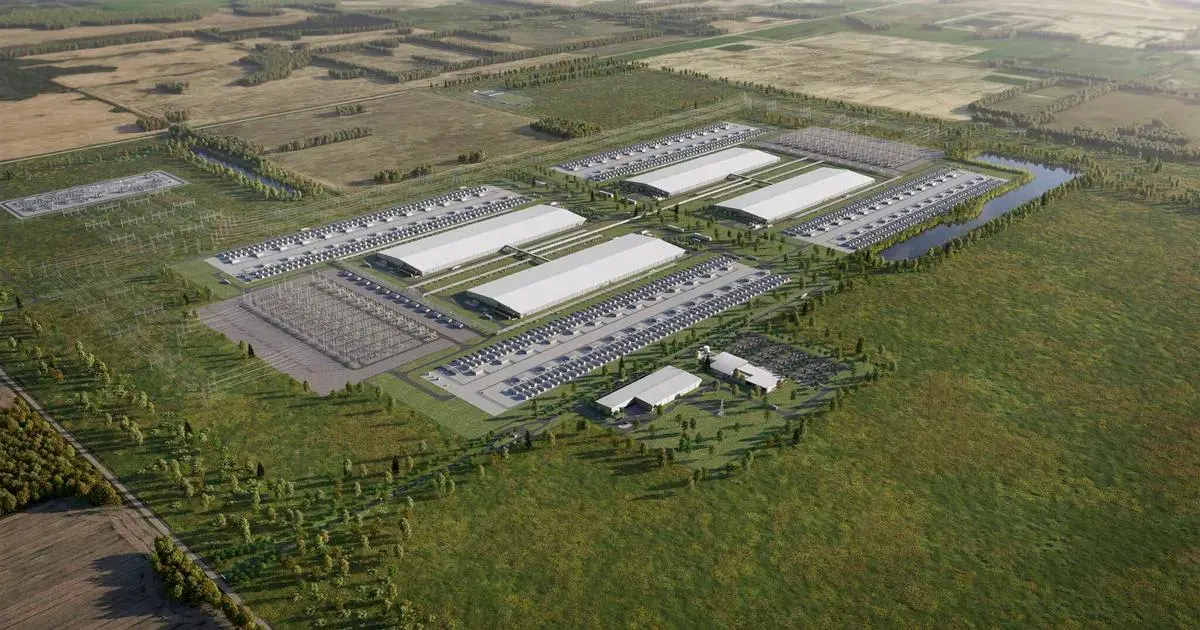
VentureBeat reported that the company abandoned Google Cloud in 2024 and began building its own data centres so it could control network, compute and storage layers.
Cooper said that full-stack control was intended to support faster build and deploy loops.
The report said Railway's pricing undercuts hyperscale cloud providers by roughly 50 percent and newer cloud startups by three to four times.
It also listed usage-based charges for memory, vCPU and storage, while noting that Railway does not charge for idle virtual machines in the same way as provisioned-capacity cloud models.
Enterprise features are part of the pitch.
VentureBeat listed SOC 2 Type 2 compliance, HIPAA readiness, business associate agreements on request, single sign-on, audit logs and bring-your-own-cloud deployment as options for larger customers.
The source also said enterprise add-ons include extended log retention, HIPAA BAAs, enterprise support with SLOs and dedicated virtual machines.
Fortune 500 Use Does Not Define Deployment Scope
Railway said 31 percent of Fortune 500 companies use the platform, according to VentureBeat, but the report also said deployments can range from company-wide infrastructure to individual team projects.
VentureBeat named customers including Bilt, Intuit's GoCo subsidiary, TripAdvisor's Cruise Critic, MGM Resorts and Kernel.
Kernel provided another concrete operating figure.
VentureBeat reported that the Y Combinator-backed AI infrastructure startup runs its customer-facing system on Railway for $444 per month and serves more than 1,000 companies.
Rafael Garcia, Kernel's chief technology officer, compared that with a previous company where he said six full-time engineers managed AWS.
The market context remains crowded.
VentureBeat named Amazon Web Services, Microsoft Azure and Google Cloud Platform as hyperscale rivals, while also listing Vercel, Render, Fly.io and Heroku as developer-focused competitors.
Cooper argued to the outlet that Railway covers more of the infrastructure stack, including VM primitives, stateful storage, virtual private networking and automated load balancing.
Railway has source-backed adoption figures, funding, named investors and named customer examples, but its enterprise evidence remains uneven.
The company did not disclose audited deployment-speed benchmarks, full enterprise contract values, customer-by-customer production scope, data-centre locations or utilisation targets for the infrastructure it plans to expand.
Summary version for Medium
Railway Raises $100 Million As AI Coding Pushes Cloud Deployment Claims
Why Railway Raises $100 Million matter now for cloud infrastructure teams
Quick Summary: VentureBeat reported that Railway raised $100 million in a Series B round led by TQ Ventures, with the cloud startup citing more than 10 million deployments each month and two million developers. The company described sub-second deployment, customer cost-saving claims and its own data-centre buildout, but did not disclose audited benchmarks, full...
Railway Raises $100 Million For AI-Native Cloud Infrastructure
The company entered the round with a smaller financing history. VentureBeat reported previous outside funding of $24 million, including a $20 million Redpoint Series A in 2022.
Deployment Claims Centre On AI Coding Workflows
Cooper told VentureBeat that AI coding tools have changed expectations for infrastructure teams because code can now be generated faster than older deployment systems can release it.
- Point 1: The central topic is cloud-data-centers, with the announcement framed around concrete operating detail.
- Point 2: Railway contrasted that with standard build-and-deploy cycles using Terraform that the source described as taking two to three minutes.
The important shift is not the AI label, but the operating boundary it creates for teams.
Data-Centre Buildout Separates Railway From Cloud Resellers
Railway's infrastructure claim is not limited to developer tooling. VentureBeat reported that the company abandoned Google Cloud in 2024 and began building its own data centres so it could control network, compute and storage layers.
Read the Full Deep Dive
Want to explore the complete technical analysis, enterprise trade-offs, and detailed metrics?
Read the full article originally published at SendTech Times