Meta's Ohio AI Data Center Tents Put Speed and Power at the Center of the Capacity Race
Meta has built six rapid deployment structures outside New Albany, Ohio, as it seeks faster AI data center capacity. Local permits reviewed by Michael Thomas show five 125,000-square-foot structures started between April and June, while the site uses 200 megawatts of nearby modular gas turbines. The practical question is whether faster construction helps Meta turn heavy AI capital spending into usable developer and product capacity.

Meta Tests Faster AI Data Center Buildouts With Tent-Like Structures
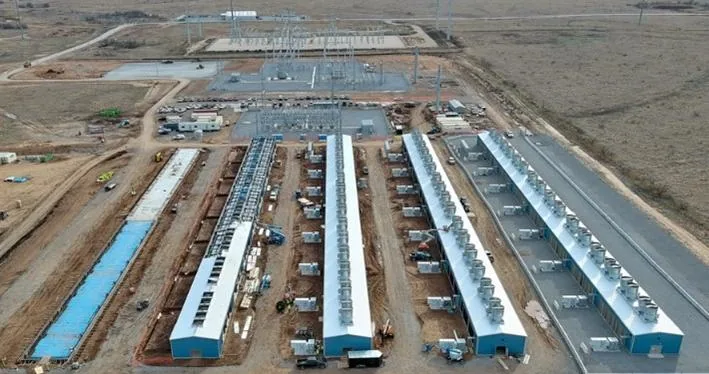
Meta has built six rapid deployment structures outside New Albany, Ohio, as the company looks for faster ways to add AI data center capacity.
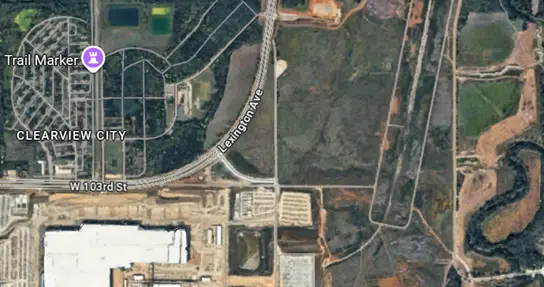
Michael Thomas, who tracks data center deployments, identified the structures through images and local permits.
The permits reviewed by Thomas show Meta started building five 125,000-square-foot structures between April and June.
Satellite images shared by Thomas show those structures have been built.
The construction signal is speed.
Meta CEO Mark Zuckerberg had previously discussed using weatherproof tents for multi-gigawatt data centers, and the Ohio structures point to a more temporary-looking approach to housing AI infrastructure while demand for compute remains high.
Power and Permitting Become Part of the AI Capacity Race
The New Albany site is powered by 200 megawatts of modular gas turbines nearby.
That makes the project a data center story and a power-supply story at the same time: faster structures still need energy arrangements that can support AI chips at scale.
The approach resembles tactics used by Tesla at its Fremont, California factory and by xAI for nearby power supply.
The practical comparison is not the buildings themselves, but the attempt to shorten the time between infrastructure spending and usable compute capacity.
Meta has described spending plans of up to $145 billion for data centers and other capital expenditures.
That figure keeps the market focus on execution risk: if capital spending rises quickly, investors will look for evidence that the infrastructure creates usable AI capacity rather than only larger construction commitments.
A Temporary Structure With Permanent Market Questions
The tents have appeared as Meta has faced delays in making its latest AI model available to developers through application programming interfaces.
The model is complete, but the interfaces developers rely on have been repeatedly delayed.
Putting AI chips in rapid deployment structures could reduce part of the construction burden, but it does not remove the commercial test.
Meta still has to convert capital spending, power access and faster deployment into AI products that developers and users can access.
The next signal is whether the New Albany approach becomes a repeatable model for Meta's broader AI infrastructure buildout, or remains a tactical response to a capacity race moving faster than conventional data center construction.
Summary version for Medium
Meta's Ohio AI Data Center Tents Put Speed and Power at the Center of the Capacity Race
Why Meta's Ohio AI Data Center Tents matter now for cloud infrastructure teams
Quick Summary: Meta has built six rapid deployment structures outside New Albany, Ohio, as it seeks faster AI data center capacity. Local permits reviewed by Michael Thomas show five 125,000-square-foot structures started between April and June, while the site uses 200 megawatts of nearby modular gas turbines.
The Core Signal
Meta has built six rapid deployment structures outside New Albany, Ohio, as it seeks faster AI data center capacity. Local permits reviewed by Michael Thomas show five 125,000-square-foot structures started between April and June, while the site uses 200 megawatts of nearby modular gas turbines.
The Technical Or Market Detail
Meta Tests Faster AI Data Center Buildouts With Tent-Like Structures Meta has built six rapid deployment structures outside New Albany, Ohio, as the company looks for faster ways to add AI data center capacity.
- Point 1: The central topic is meta, with the announcement framed around concrete operating detail.
- Point 2: Michael Thomas, who tracks data center deployments, identified the structures through images and local permits.
AI deployments now depend on where models, data, approvals and operating teams meet.
Operational Impact Or Limits
Meta has built six rapid deployment structures outside New Albany, Ohio, as it seeks faster AI data center capacity. Local permits reviewed by Michael Thomas show five 125,000-square-foot structures started between April and June, while the site uses 200 megawatts of nearby modular gas turbines.
Read the Full Deep Dive
Want to explore the complete technical analysis, enterprise trade-offs, and detailed metrics?
Read the full article originally published at SendTech Times