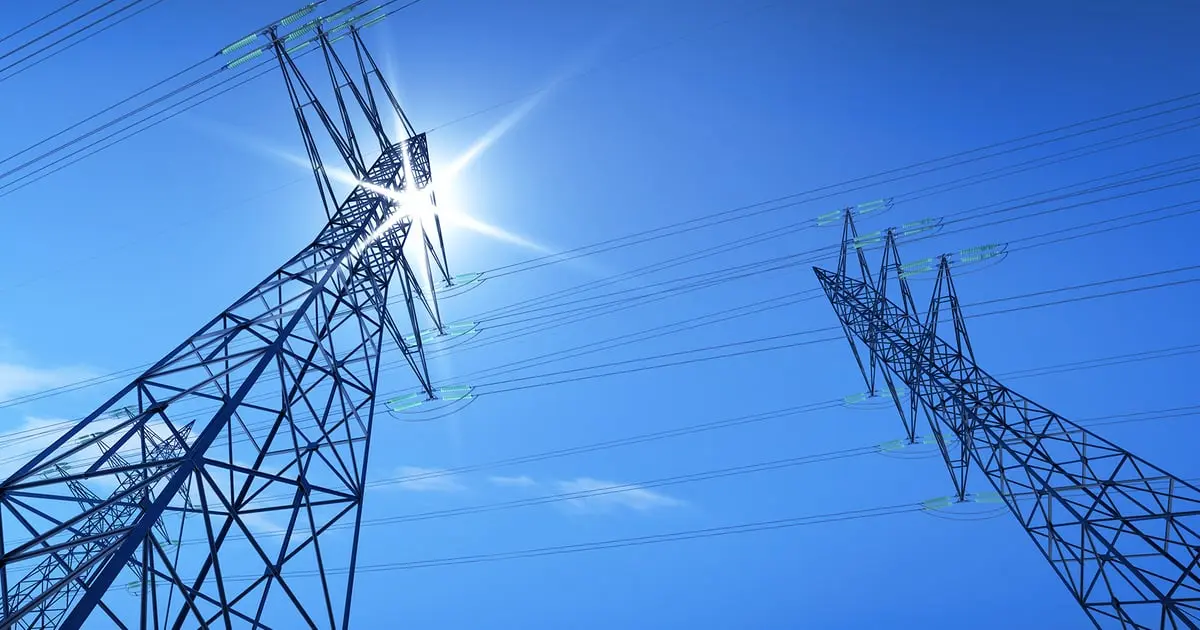
Denmark Grid Plan Gives Hospitals Priority Over Datacentres
Denmark's emergency grid proposal would move hospitals, defence and emergency services ahead of most datacentre projects in the electricity-connection queue as applications rise far beyond peak national load.
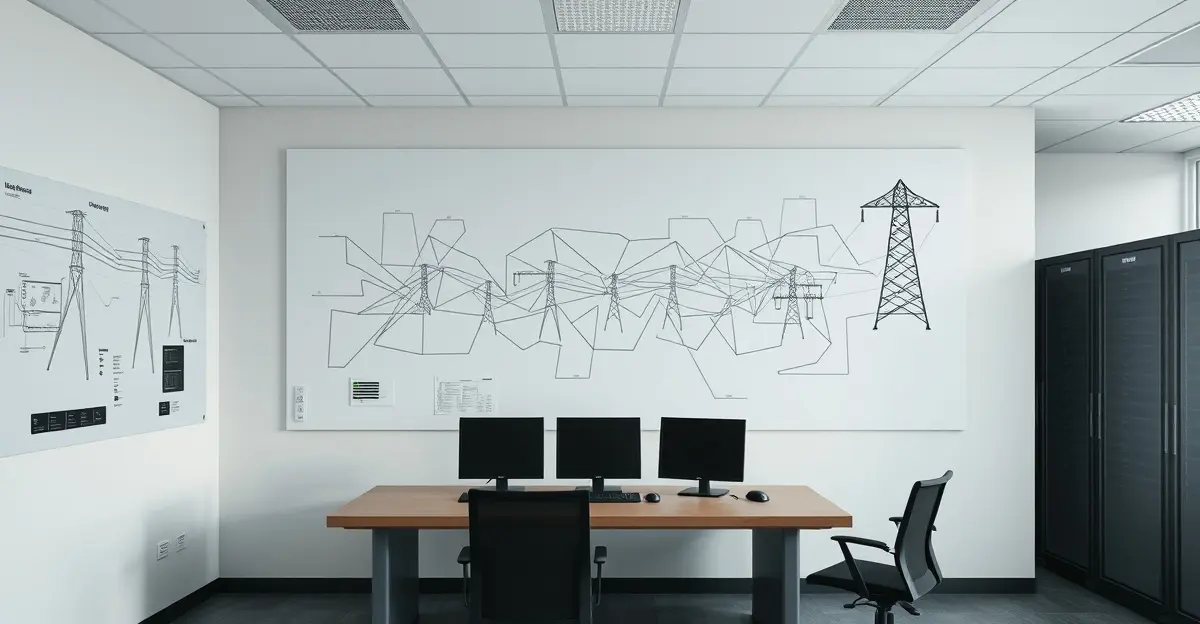
A Danish emergency grid plan would give hospitals, defence and emergency services priority over most datacentre projects in the country's electricity connection queue.
The draft bill is under public consultation in July and follows a political agreement backed by 80 percent of the national parliament, according to Computer Weekly.
The datacentre grid connection queue has become a policy issue after Energinet, the state-owned grid operator, paused new capacity awards for three months on 2 March.
Energinet listed 16 grid-connection applications in 2020 and 124 in 2025, while applications now total 60GW against a Danish peak grid load of just over 7GW.
The emergency plan would allow political controls over access to scarce grid capacity.
The governing Social Democrats argued that electricity was needed for transport, industry and home heating before power-hungry foreign-owned datacentres.
The draft bill would give the lowest priority to datacentres unless they serve functions such as health, defence or emergency services.
The June political agreement also allowed priority for projects supporting Danish business competitiveness.
The bill does not define what makes a project worthy or aligned with grid needs.
Low-ranked projects could still improve their position by showing location, demand-management or planning characteristics that match grid conditions, leaving Energinet and the political process without a fixed published threshold.
Energinet's figures give the grid dispute its scale.
The queue breakdown put almost half of the 60GW of connection applications with battery parks, about a third with datacentres and more than a tenth with power-to-x plants.
Some single requests were larger than the electricity use of the country's biggest cities.
The National Audit Office reported after the election that Energinet's grid buildout was substantially behind schedule.
The audit report put delays at about 70 percent of projects, typically by two years, and warned that the operator would have to accelerate construction to keep the 2050 climate target within reach.
Jacob Rosenberg Nielsen, Energinet's manager of strategic development, told Computer Weekly that scarce capacity encouraged more applications because there was more gain in securing a place in the queue.
He also put cancellations at a tenth of projects in the queue between 2023 and 2025, double the earlier rate, including projects for which Energinet had already been building grid infrastructure.
Denmark is not rejecting datacentres outright.
The proposed queue system would instead make large electricity users prove that their timing, location and demand profile fit the grid when capacity is constrained.
For AI infrastructure developers, that changes the project risk.
A site with land, capital and cloud demand may still wait if it cannot show a public-interest function or grid-aligned behaviour.
Hospitals and emergency services become clearer priority users, while datacentres need stronger evidence that their load supports Danish economic or resilience goals.
The policy also separates grid access from broader investment sentiment.
Denmark can still host digital infrastructure, but connection rights would no longer be treated as a simple first-come queue when proposed demand is many times larger than national peak load.
The unresolved test is how Denmark will define a worthy societal function and score grid-aligned datacentre behaviour when actual connection requests reach the queue.
Summary version for Medium
Denmark Grid Plan Gives Hospitals Priority Over Datacentres
What the policy signal means for operators and investors
Quick Summary: Denmark's emergency grid proposal would move hospitals, defence and emergency services ahead of most datacentre projects in the electricity-connection queue as applications rise far beyond peak national load.
The Core Signal
Denmark's emergency grid proposal would move hospitals, defence and emergency services ahead of most datacentre projects in the electricity-connection queue as applications rise far beyond peak national load.
The Technical Or Market Detail
A Danish emergency grid plan would give hospitals, defence and emergency services priority over most datacentre projects in the country's electricity connection queue.
- Point 1: The central topic is capital-policy, with the announcement framed around concrete operating detail.
- Point 2: The draft bill is under public consultation in July and follows a political agreement backed by 80 percent of the national parliament, according to Computer Weekly.
AI deployments now depend on where models, data, approvals and operating teams meet.
Operational Impact Or Limits
Denmark's emergency grid proposal would move hospitals, defence and emergency services ahead of most datacentre projects in the electricity-connection queue as applications rise far beyond peak national load.
Read the Full Deep Dive
Want to explore the complete technical analysis, enterprise trade-offs, and detailed metrics?
Read the full article originally published at SendTech Times