Niteshift Targets Enterprise AI Coding With A Model-Neutral Infrastructure Layer
Niteshift has raised $7 million to build an AI coding cloud that routes across models, pitching enterprise buyers on control, verification and lower dependence on frontier AI labs.

Niteshift Sells Control Around AI Coding Models
Niteshift has entered the AI coding market with a $7 million seed round and a thesis aimed at enterprise buyers that do not want their developer workflow locked to a single frontier lab.
The startup was founded by Sajid Mehmood and Conor Branagan, both former early Datadog engineers, and the financing was led by Greylock’s Jerry Chen.
The company is not pitching itself as a replacement for Claude Code or Codex.
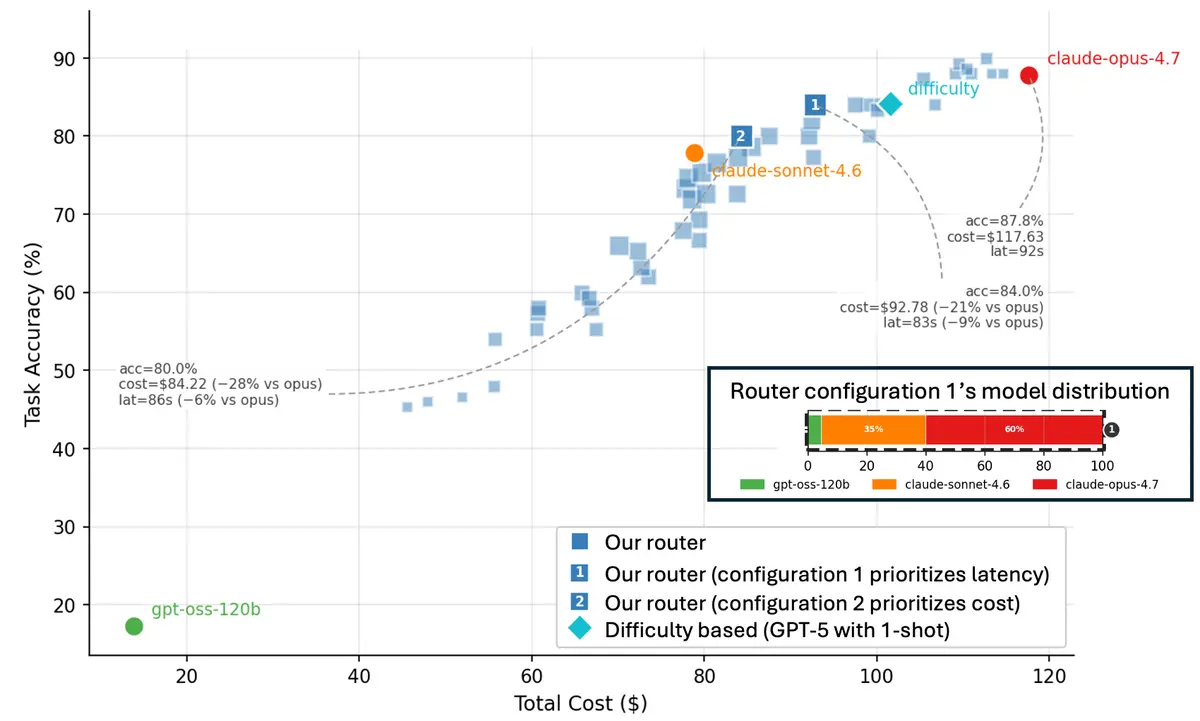
Its product is an AI coding cloud that can route work across those systems, open source models and other options depending on the project.
For engineering teams, the proposed value is less about a new coding assistant and more about a control layer for running, testing and maintaining AI-generated software.
That difference changes the story because software vendors are watching frontier AI labs move into vertical applications.
Niteshift’s argument is that companies may want the coding model separated from the orchestration layer that touches their own product code, production environments and verification workflows.
Datadog Experience Shapes The Enterprise Pitch
Mehmood links the idea to Datadog’s early customer base, where some e-commerce companies avoided building directly on Amazon Web Services because Amazon also competed with retailers.
He frames model dependence in AI coding as a similar procurement concern: businesses may hesitate to place sensitive development workflows entirely inside platforms that could later compete with their applications.
The investor roster reinforces that enterprise-infrastructure angle.
Alongside Greylock, the round includes Reid Hoffman, Datadog’s Olivier Pomel and Alexis Lê-Quôc, Braintrust’s Ankur Goyal, and Reflection AI’s Misha Laskin.
Those names do not prove customer traction, but they show that the company is being evaluated as developer infrastructure rather than a consumer-facing coding bot.
Niteshift also wants its business model to read like cloud infrastructure.
Instead of selling tokens or positioning the product as labor replacement intelligence, it plans to charge through per-minute usage rates.
That makes cost, reliability and routing quality central proof points for the company’s next stage.
The Crowded Coding-Agent Layer Is The Test
The hard part is that model independence is not unique.
Cursor, Cognition, Amazon Bedrock and OpenRouter already give buyers different ways to work with AI development tools or model gateways.
The competitive context is already capital intensive: Cognition has raised $1 billion at a $26 billion valuation, while OpenRouter has raised $113 million at a $1.3 billion valuation.
Niteshift’s narrower claim is that AI-generated code needs infrastructure built for real production environments.
Mehmood argues that teams must run, test and verify software autonomously inside the systems where they already operate.
That is a concrete enterprise problem, but the launch does not yet establish whether Niteshift can win against better-known tools with a head start.
The next watchpoint is customer proof.
A $7 million seed round gives Niteshift room to build, and the Datadog background gives the pitch credibility with infrastructure buyers.
The market will judge the company on whether routing flexibility, production verification and vendor neutrality become urgent enough to displace incumbent coding-agent workflows.
Summary version for Medium
Niteshift Targets Enterprise AI Coding With A Model-Neutral Infrastructure Layer
Why Niteshift Targets Enterprise AI matter now for cloud infrastructure teams
Quick Summary: Niteshift has raised $7 million to build an AI coding cloud that routes across models, pitching enterprise buyers on control, verification and lower dependence on frontier AI labs.
Niteshift Sells Control Around AI Coding Models
Niteshift has entered the AI coding market with a $7 million seed round and a thesis aimed at enterprise buyers that do not want their developer workflow locked to a single frontier lab. The startup was founded by Sajid Mehmood and Conor Branagan, both former early Datadog engineers, and the financing was led by Greylock’s Jerry Chen.
Datadog Experience Shapes The Enterprise Pitch
Mehmood links the idea to Datadog’s early customer base, where some e-commerce companies avoided building directly on Amazon Web Services because Amazon also competed with retailers.
- Point 1: The central topic is AI coding, with the announcement framed around concrete operating detail.
- Point 2: He frames model dependence in AI coding as a similar procurement concern: businesses may hesitate to place sensitive development workflows entirely inside platforms that could...
AI deployments now depend on where models, data, approvals and operating teams meet.
The Crowded Coding-Agent Layer Is The Test
The hard part is that model independence is not unique. Cursor, Cognition, Amazon Bedrock and OpenRouter already give buyers different ways to work with AI development tools or model gateways.
Read the Full Deep Dive
Want to explore the complete technical analysis, enterprise trade-offs, and detailed metrics?
Read the full article originally published at SendTech Times