Japan Funds Noetra’s 140MW Physical AI Data Centre
Tech Wire Asia reported that Japan is funding Noetra to build domestic physical AI models around a 140MW FRONTia facility using Nvidia Rubin GPUs, while model access terms remain open.
Tech Wire Asia reported that Japan's plan to build domestic foundation models for robotics still depends on imported compute hardware, with Noetra set to use a 140MW FRONTia data centre built around Nvidia Rubin GPUs.
The government-backed company is being funded to make physical AI models in Japan while its main AI factory is scheduled to run on Nvidia's next data-centre platform.
The funding gives the programme unusual scale for an industrial AI consortium.
Tech Wire Asia reported that Japan's Ministry of Economy, Trade and Industry allocated ¥387.3 billion for the current fiscal year and that the consortium includes 44 companies and organisations, among them SoftBank, Sony, NEC and Honda.
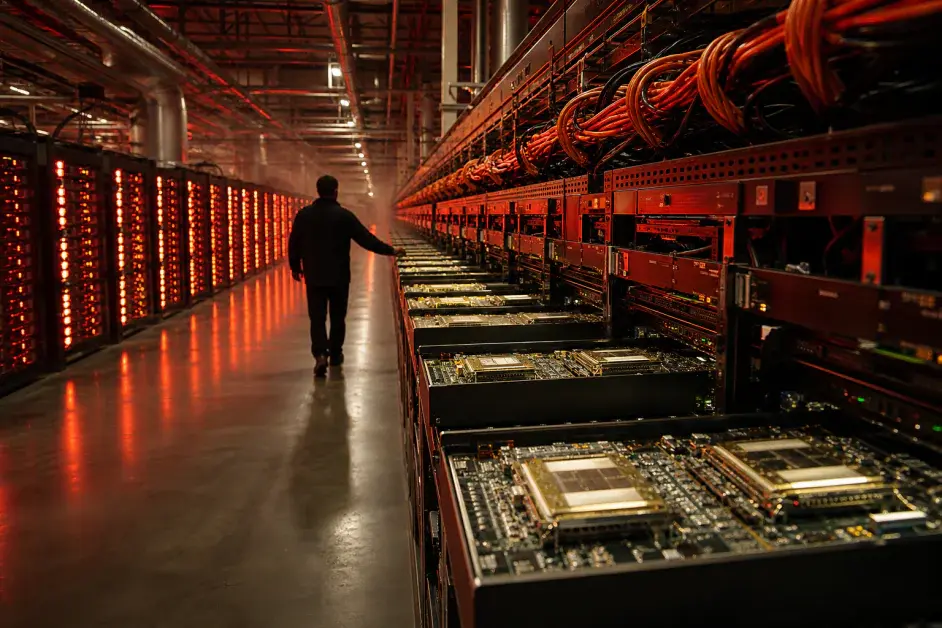
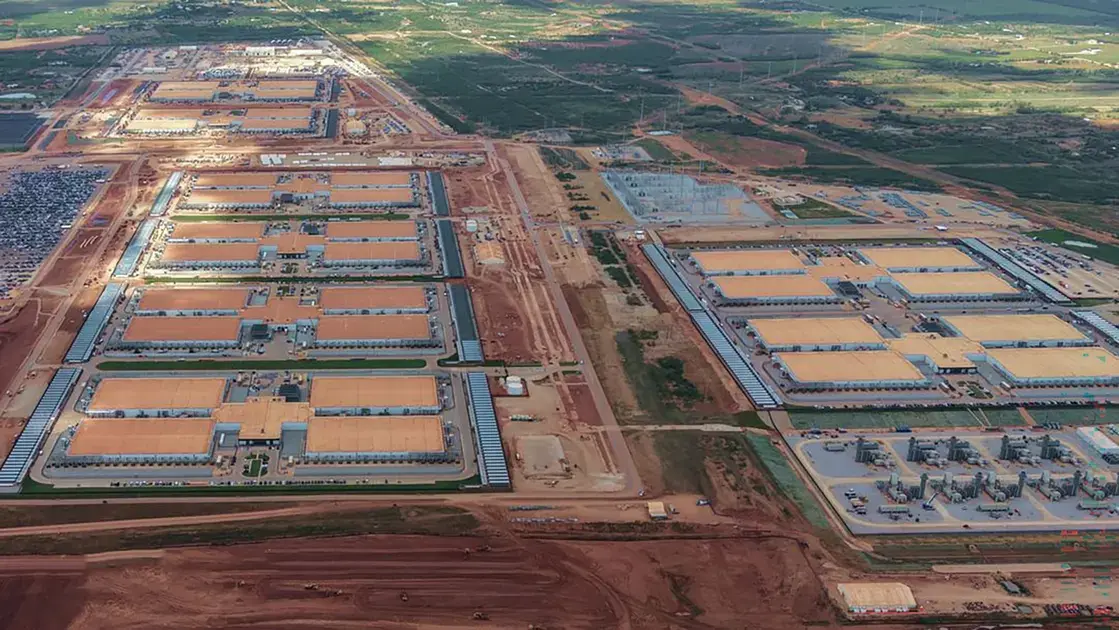
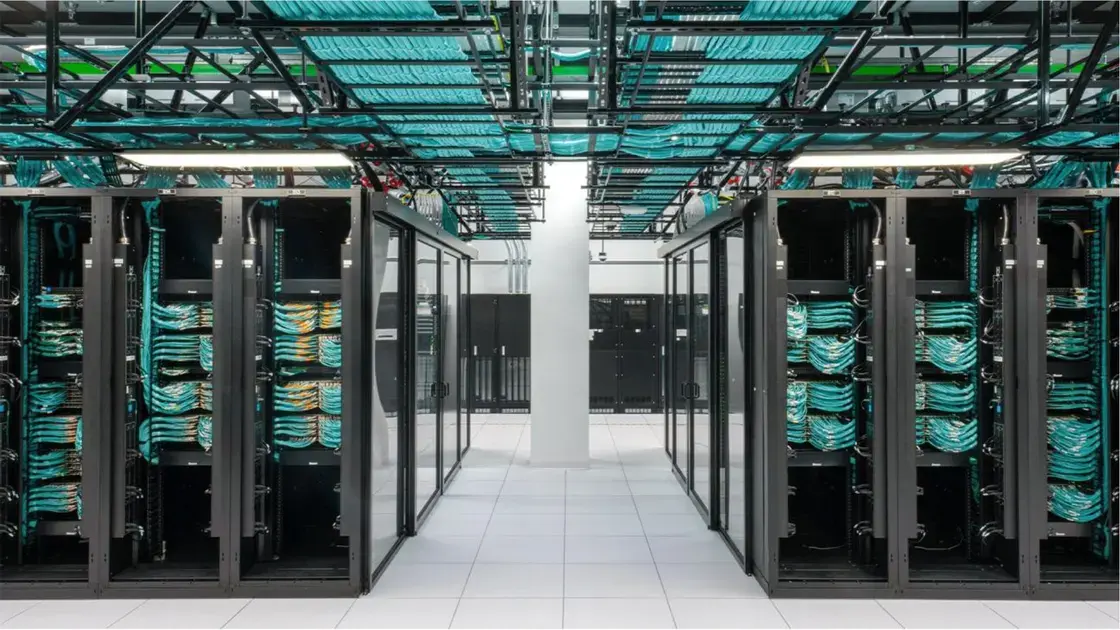
FRONTia Brings A 140MW Compute Target
The compute plan is the strongest disclosed proof that the project is more than a robotics research group.
The hardware order covers 27,500 Nvidia Rubin GPUs, 13,750 Nvidia Vera CPUs and Spectrum-X Ethernet networking for the FRONTia facility, which is scheduled to start construction in April 2027 and operations in June 2028.
Model development will begin before the site is ready.
The company will start model development on Japan-based providers' computing infrastructure, but it has not identified all providers or the interim capacity available before FRONTia comes online.
The architecture combines domestic model development and data management with Nvidia GPUs, CPUs and networking at FRONTia.
The programme is designed to give Japanese organisations access to domestically developed models, but Noetra has not set out licensing terms or the access route for outside users.
Model Roadmap Moves From Reasoning To Robotics
The roadmap begins with a reasoning foundation model for fiscal 2026, with support planned for Japanese-language understanding, logical reasoning and instruction following.
It then moves to an omni-modal model for text, images, video and audio in fiscal 2028, followed by what the company calls Real-world Native AI in fiscal 2030.
That final stage is designed for spatial information and physical properties, the type of inputs needed for robots, industrial systems, AI agents and digital twins.
The consortium includes manufacturers, electronics companies, telecom groups and industrial technology suppliers.
Research support comes from Preferred Networks and the National Institute of Advanced Industrial Science and Technology, while participating organisations are supplying seconded engineers for the programme.
Robot Targets Depend On Sector Deployment
The project sits within Japan's broader industrial technology agenda under Prime Minister Sanae Takaichi, spanning AI, chipmaking, robotics and advanced manufacturing.
The government target calls for roughly 10 million AI-enabled robots working in 18 fields by 2040, including manufacturing, shipbuilding, logistics, healthcare, nursing, food production and food service.
METI has also linked the strategy to structural labour shortages and adoption support for sectors that depend on physical work.
The policy ambition is clear, but the deployment path is still early: Noetra has not explained the sector-by-sector integration work needed to move its foundation models into commercial robots.
Nvidia presented the programme as a combination of Japan's manufacturing experience, industrial data and AI computing infrastructure.
FRONTia will use Nvidia hardware and networking, while Noetra directs the model-development programme inside Japan.
Licensing terms, delivery channels and first sector deployments remain unnamed for the 140MW programme.
Summary version for Medium
Japan Funds Noetra’s 140MW Physical AI Data Centre
Why Japan Funds Noetra’s 140MW matter now for cloud infrastructure teams
Quick Summary: Tech Wire Asia reported that Japan is funding Noetra to build domestic physical AI models around a 140MW FRONTia facility using Nvidia Rubin GPUs, while model access terms remain open.
FRONTia Brings A 140MW Compute Target
The compute plan is the strongest disclosed proof that the project is more than a robotics research group. The hardware order covers 27,500 Nvidia Rubin GPUs, 13,750 Nvidia Vera CPUs and Spectrum-X Ethernet networking for the FRONTia facility, which is scheduled to start construction in April 2027 and operations in June 2028.
Model Roadmap Moves From Reasoning To Robotics
The roadmap begins with a reasoning foundation model for fiscal 2026, with support planned for Japanese-language understanding, logical reasoning and instruction following.
- Point 1: The central topic is cloud-data-centers, with the announcement framed around concrete operating detail.
- Point 2: It then moves to an omni-modal model for text, images, video and audio in fiscal 2028, followed by what the company calls Real-world Native AI in fiscal 2030.
AI deployments now depend on where models, data, approvals and operating teams meet.
Robot Targets Depend On Sector Deployment
The project sits within Japan's broader industrial technology agenda under Prime Minister Sanae Takaichi, spanning AI, chipmaking, robotics and advanced manufacturing. The government target calls for roughly 10 million AI-enabled robots working in 18 fields by 2040, including manufacturing, shipbuilding, logistics, healthcare, nursing, food production and food service.
Read the Full Deep Dive
Want to explore the complete technical analysis, enterprise trade-offs, and detailed metrics?
Read the full article originally published at SendTech Times