Quantum Data Centre Push Shifts From Qubit Counts To Hybrid Workloads
Data Center Knowledge reported that quantum computing work is shifting toward hybrid systems that connect QPUs with GPU and CPU infrastructure. Hyperion estimated the market at $1.4 billion in 2025 and projected about $3 billion by 2028, while the article did not identify production customers, signed deployment contracts or facility-level power loads.
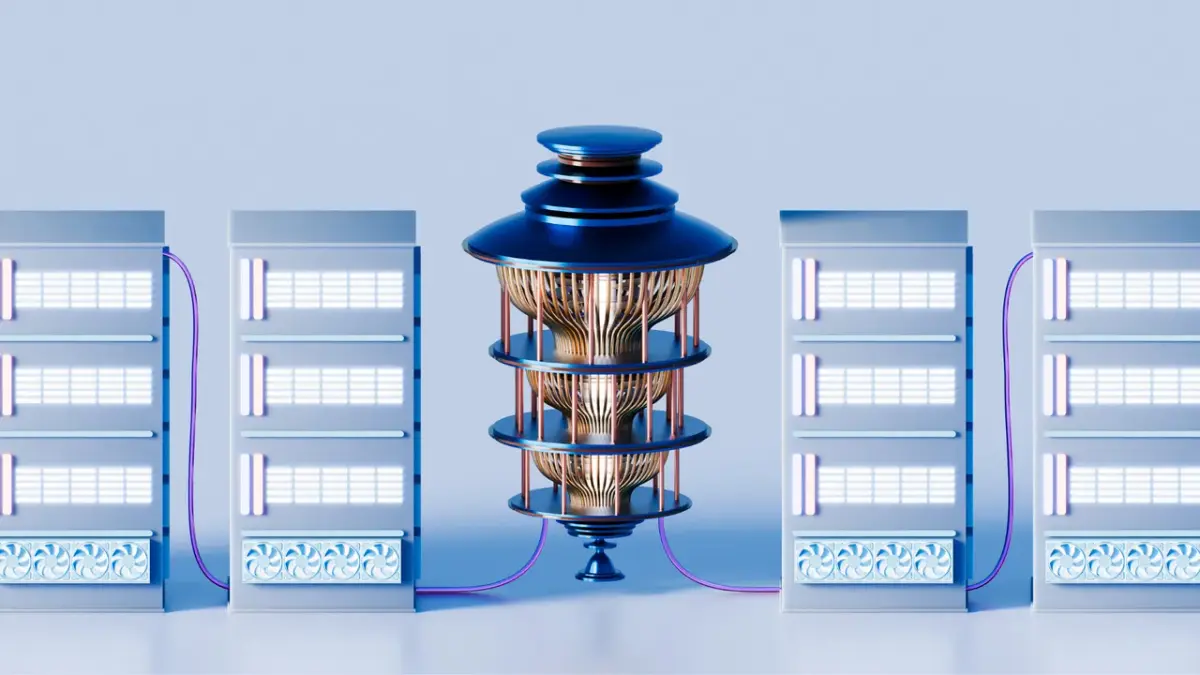
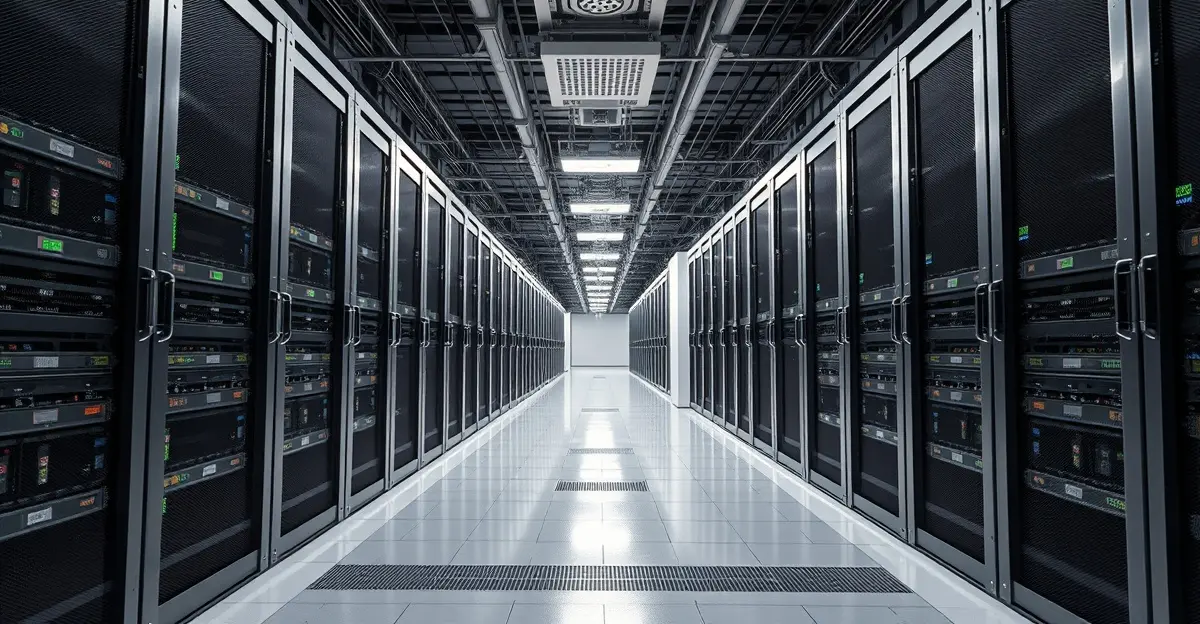
Quantum computing suppliers are pushing data centre operators toward hybrid systems that connect quantum processors with GPU and CPU infrastructure, rather than treating qubit counts as the main commercial measure.
The current buildout is concentrating on quantum-classical integration inside supercomputing and data centre environments.
The shift gives operators a physical infrastructure problem as much as a research problem.
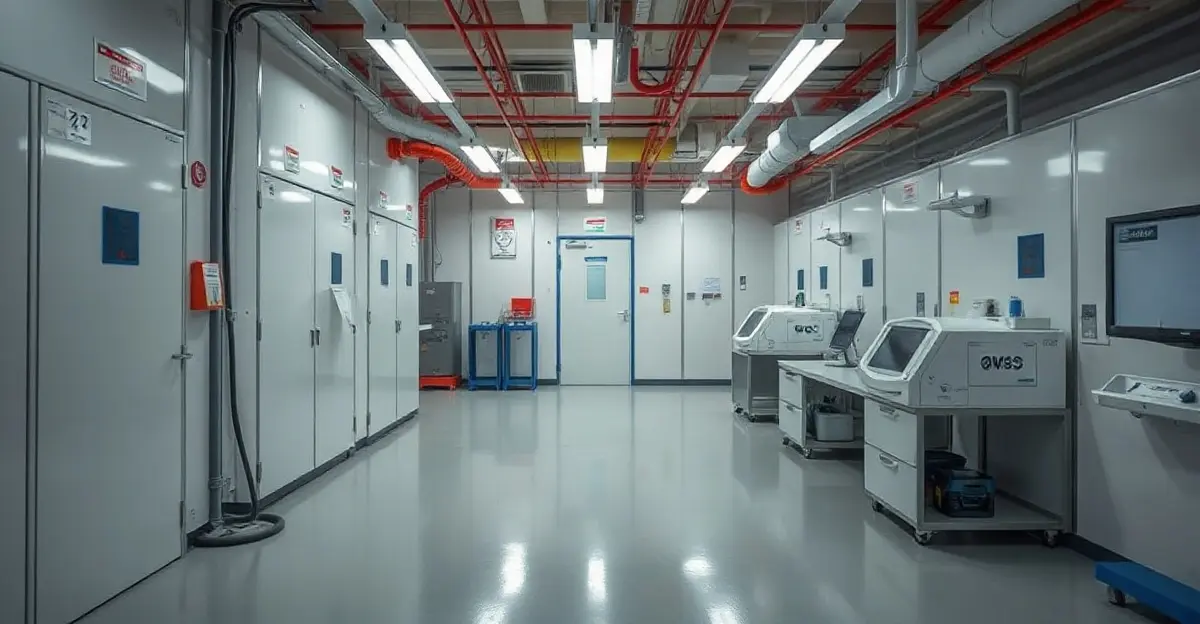
Superconducting, trapped-ion, neutral-atom, photonic and silicon-spin systems have different requirements for cooling, vibration control, thermal stability and upgrades.
Hybrid Quantum Systems Need Classical Data Centre Infrastructure
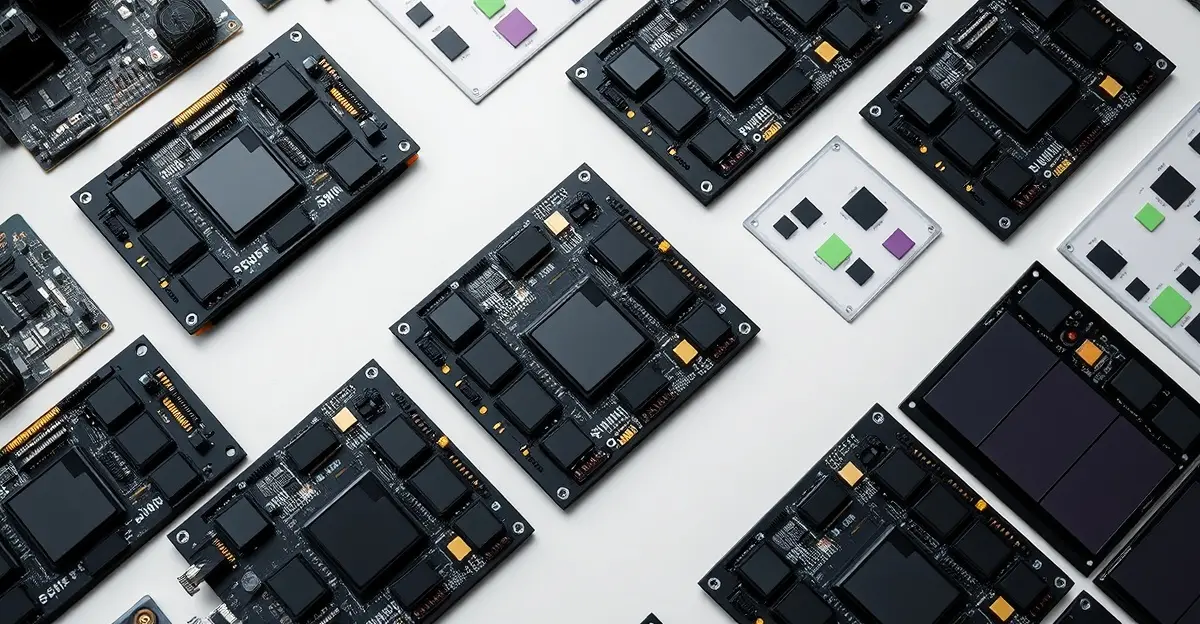
Quantum processors are being paired with classical infrastructure for workloads where close coupling may reduce time-to-solution.
Quantum processing units sit near GPU and CPU nodes when low-latency connections are needed.
Hyperion Research chief quantum computing and AI analyst Bob Sorensen noted that qubit counts are becoming less central for end users.
Organisations are now thinking about how to introduce quantum computing into classical compute environments.
The operational requirements vary by quantum modality.
Superconducting systems need deep cryogenic cooling and protection from thermal, magnetic and vibration interference, while other hardware approaches bring different facility and refurbishment requirements.
Those differences make the data centre interface part of the deployment question, not a later facilities detail.
Hyperion Estimates Quantum Revenue At $1.4 Billion In 2025
Data Center Knowledge reported that Hyperion Research estimated the quantum computing market at $1.4 billion in 2025.
Sorensen's cited forecast projected a 30% annual growth rate through 2028, reaching about $3 billion.
The same Hyperion assessment put digital simulators based on CPUs and GPUs at almost one-quarter of the quantum computing hardware market it tracks.
GPUs outpaced CPUs by roughly 2x in that simulator segment.
The revenue and simulator estimates make the near-term market more specific than a general quantum roadmap.
They still describe an emerging market, not customer-level proof that hybrid quantum systems are replacing conventional high-performance computing workloads.
IBM, Nvidia, HPE And AMD Appear In Hybrid Roadmaps
Several major compute vendors are already attaching quantum work to classical infrastructure.
IBM's March 2026 work on quantum-centric supercomputing is a staged approach that starts by offloading specific calculations to quantum systems before moving toward co-designed heterogeneous systems.
Data Center Knowledge reported that Nvidia introduced NVQLink at GTC 2026 to connect quantum processing units with GPU supercomputers.
Nvidia also announced work with Quantum Machines on an open framework that integrates classical systems and Nvidia GPUs into quantum control stacks.
Hewlett Packard Enterprise said in June 2026 that it is working with Intel, IQM, Qblox, Quantinuum, QuEra Computing, Quantum Machines, Rigetti and Riverlane on algorithm co-design and software interoperability for hybrid configurations on its Cray platform.
AMD also said in June that it is working with OQC and JPMorgan Chase on quantum computing, AI and high-performance classical infrastructure for financial services workloads.
Quantum.Tech Speakers Point To Power, Cooling And Vibration
At Quantum.Tech World in Boston in June, McKinsey partner Henning Soller told attendees that integration work is needed before the industry may have clearer evidence of quantum computing advantage in the 2028-2030 timeframe.
Usable quantum computing depends on integration with high-performance computers and classical infrastructure, while most data will remain in conventional data centre databases.
McKinsey research indicated that colocated quantum and classical systems can improve some hybrid workflows by cutting communication latency.
The report did not present that as a universal benchmark across all workloads.
Schneider Electric energy-management executive Aparna Prabhakar told the same conference that operators should take power and cooling seriously as quantum moves from lab work toward production.
Teams should evaluate whether cooling approaches require slab-level changes and how facilities can mitigate vibration.
The U.S. policy backdrop also adds money and procurement attention.
The May 2026 Department of Commerce announcement included more than $2 billion in incentives for quantum commercialisation, manufacturing and utility-scale fault-tolerant systems.
A June 2026 White House order separately addressed quantum innovation, practical components, supply-chain purchasing and infrastructure security.
The report did not name production customers for data centre deployments, signed contracts, facility-level power demand, commercial prices or measured customer results for the hybrid quantum systems discussed.
Summary version for Medium
Quantum Data Centre Push Shifts From Qubit Counts To Hybrid Workloads
Why Quantum Data Centre Push matter now for cloud infrastructure teams
Quick Summary: Data Center Knowledge reported that quantum computing work is shifting toward hybrid systems that connect QPUs with GPU and CPU infrastructure. Hyperion estimated the market at $1.4 billion in 2025 and projected about $3 billion by 2028, while the article did not identify production customers, signed deployment contracts or facility-level power loads.
Hybrid Quantum Systems Need Classical Data Centre Infrastructure
Quantum processors are being paired with classical infrastructure for workloads where close coupling may reduce time-to-solution. Quantum processing units sit near GPU and CPU nodes when low-latency connections are needed.
Hyperion Estimates Quantum Revenue At $1.4 Billion In 2025
Data Center Knowledge reported that Hyperion Research estimated the quantum computing market at $1.4 billion in 2025.
- Point 1: The central topic is cloud-data-centers, with the announcement framed around concrete operating detail.
- Point 2: Sorensen's cited forecast projected a 30% annual growth rate through 2028, reaching about $3 billion.
The important shift is not the AI label, but the operating boundary it creates for teams.
IBM, Nvidia, HPE And AMD Appear In Hybrid Roadmaps
Several major compute vendors are already attaching quantum work to classical infrastructure. IBM's March 2026 work on quantum-centric supercomputing is a staged approach that starts by offloading specific calculations to quantum systems before moving toward co-designed heterogeneous systems.
Read the Full Deep Dive
Want to explore the complete technical analysis, enterprise trade-offs, and detailed metrics?
Read the full article originally published at SendTech Times