Nvidia Cooling Claim Leaves AI Data Center Water Burden Outside The Rack
Nvidia says its warm-water cooling design can cut on-site data center water use, but the larger water burden still depends on electricity generation and chip manufacturing beyond the facility wall.
Nvidia Targets Water Inside The Facility
Nvidia has introduced a warm-water cooling system for AI data centers that it says can sharply reduce water used inside the facility.
The company’s facility-level claim is strong: in favorable climates, the design can deliver a 100% reduction in on-site water use.
The system runs coolant in a closed loop that is filled once and recirculated for the life of the facility, so the chips do not need fresh water for cooling after the loop is operating.
Nvidia says coolant enters racks at 45°C (113°F) and leaves a server at 55°C (131°F), carrying heat away from the hardware at temperatures that can allow outside air to cool passive radiators.
That design matters for dense AI infrastructure because cooling is becoming a physical constraint alongside chips, land and grid access.
A facility that avoids chillers, fans or evaporative cooling can use less water, reduce noise and improve efficiency at the building level.
Power Generation Keeps The Water Question Open
The facility boundary is not the full water footprint.
Electricity generation and chip manufacturing sit outside the data center wall, but they can double or triple the total water footprint of a facility.
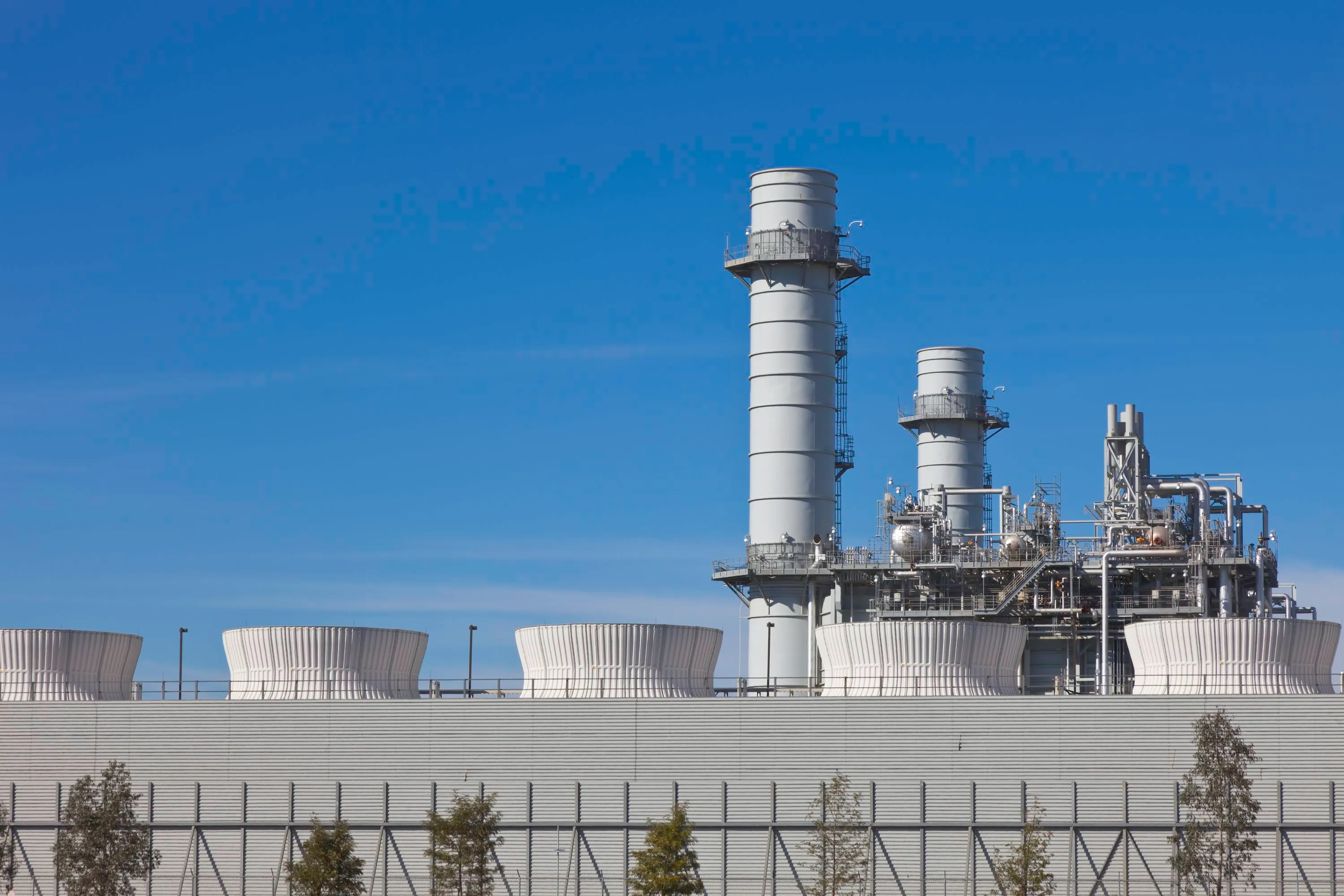
Fossil fuel power plants remain a major part of the issue.
The U.S. Geological Survey puts their water consumption at 2.7 billion gallons per day, much of it tied to evaporative cooling.
Natural gas plants use 1.17 liters of water for every kilowatt-hour they generate, while coal plants use 2.2 liters per kilowatt-hour.
The IEA figure keeps fossil fuel plants at roughly half of current data center electricity supply.
Hydropower supplies around 10% of data center power and loses 6.8 liters per kilowatt-hour through reservoir evaporation.
Wind and solar are much lower at about 0.01 liters and 0.03 liters per kilowatt-hour, including manufacturing and solar-panel cleaning.
The Energy Mix Sets The Real Constraint
Nvidia’s cooling system can reduce water use at the rack and building level, but the overall water result depends on what powers the site.
Natural gas and coal are expected to supply more than 40% of the new electricity needed for data center demand through 2030, according to the IEA.
That leaves AI infrastructure buyers with a two-part test.
They need cooling systems that lower local water use, and they need power procurement that does not move the water burden upstream into electricity generation.
The unresolved operating burden is whether new AI data centers can pair warm-water cooling with power sources that keep total water consumption down beyond the facility boundary.