Texas Grid Rules Put 75MW Data Center Loads Into A New ERCOT Queue
Texas regulators approved ERCOT’s new connection process for large-load projects of 75MW or more, forcing data centers into a grid study before capacity is allocated.

Texas Changes The Queue For Large Loads
Texas’ Public Utility Commission has approved a new ERCOT connection process for large-load users, including data centers, in a move aimed at steering projects toward grid points that can support their power demand.
The framework applies to projects with capacity of 75MW or more.
Eligible projects will enter a batch study, after which ERCOT will assess grid needs, allocate transmission capacity according to what the system can support, and publish a plan identifying required upgrades.
For data center developers, the change makes grid access a formal screening issue rather than only a site-selection assumption.
A campus may have land and a commercial plan, but ERCOT’s study process will decide whether transmission capacity and upgrades can support the load.
Pablo Vegas, ERCOT’s president and chief executive, said Texas is experiencing an energy transformation and described the process as a structured path for large-load interconnection that protects reliability while supporting economic growth.
Data Center Demand Forces A Planning Model
ERCOT said the framework was developed with input from utilities, generators, industry experts and developers.
The rule moved through ERCOT’s protocol, reliability, technical and board review process before final approval by the PUC.
Officials framed the batch system as a new step among independent system operators for managing very large electricity users.
ERCOT expects it to become a foundation for a broader stakeholder process later this year.
ERCOT’s April forecast shows the pressure behind the rule: systemwide demand could move from 98GW in 2026 to more than 111GW by 2032, largely because of data center construction.
The same Texas pipeline shows the scale behind the rule.
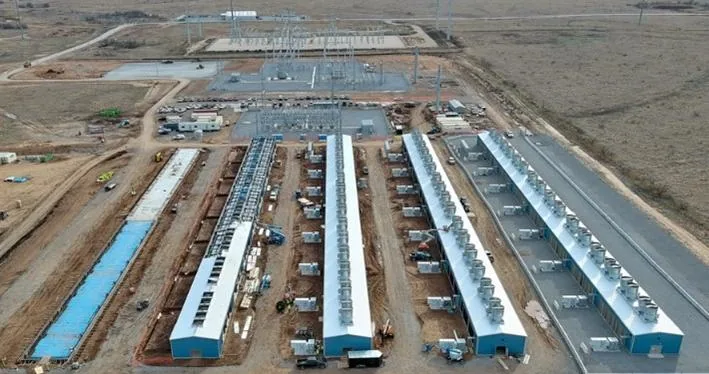
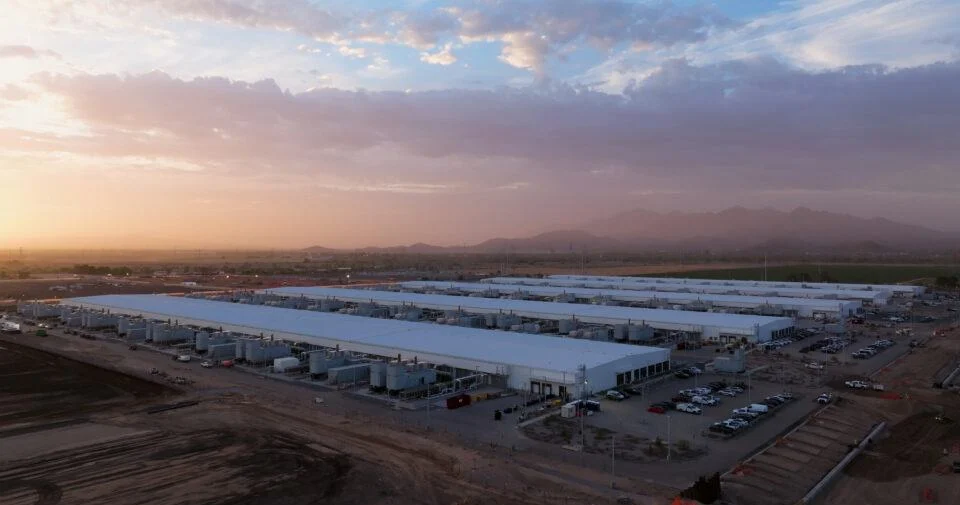
Vantage has broken ground on a 1.4GW campus in Shackelford County, while Crusoe, QTS and Microsoft have separate data center developments tied to Abilene, Dallas and San Antonio.
Power Access Becomes The Real Data Center Constraint
The Texas decision turns AI and cloud expansion into an energy-planning problem.
Data center operators can no longer treat grid interconnection as a background utility step when large-load queues could determine which campuses are built first.
For utilities and regulators, batching projects allows ERCOT to see total future demand before assigning capacity.
For developers, the burden becomes clearer: prove that the project can fit inside a transmission plan and absorb the timing or cost implications of upgrades.
Texas still has ample land and extensive energy infrastructure, but the new process shows that both are insufficient without coordinated grid capacity.
The unresolved operating issue is how quickly ERCOT can turn batch studies into upgrade plans while data center power demand keeps rising.