Eco Wave Links Shoreline Power To The Energy Strain Behind AI Infrastructure
Eco Wave Power is using NVIDIA AI infrastructure and digital twins to model wave-energy equipment near ports and industrial zones, where future AI facilities may face grid and permitting limits.
Shoreline Energy Enters The AI Infrastructure Debate
Eco Wave Power is positioning wave energy as a power option for coastal industrial sites as AI infrastructure increases electricity demand and makes grid expansion harder to ignore.
The company is part of NVIDIA Inception’s Sustainable Futures initiative and is using NVIDIA AI infrastructure and digital twins to develop equipment that converts ocean waves into electricity.
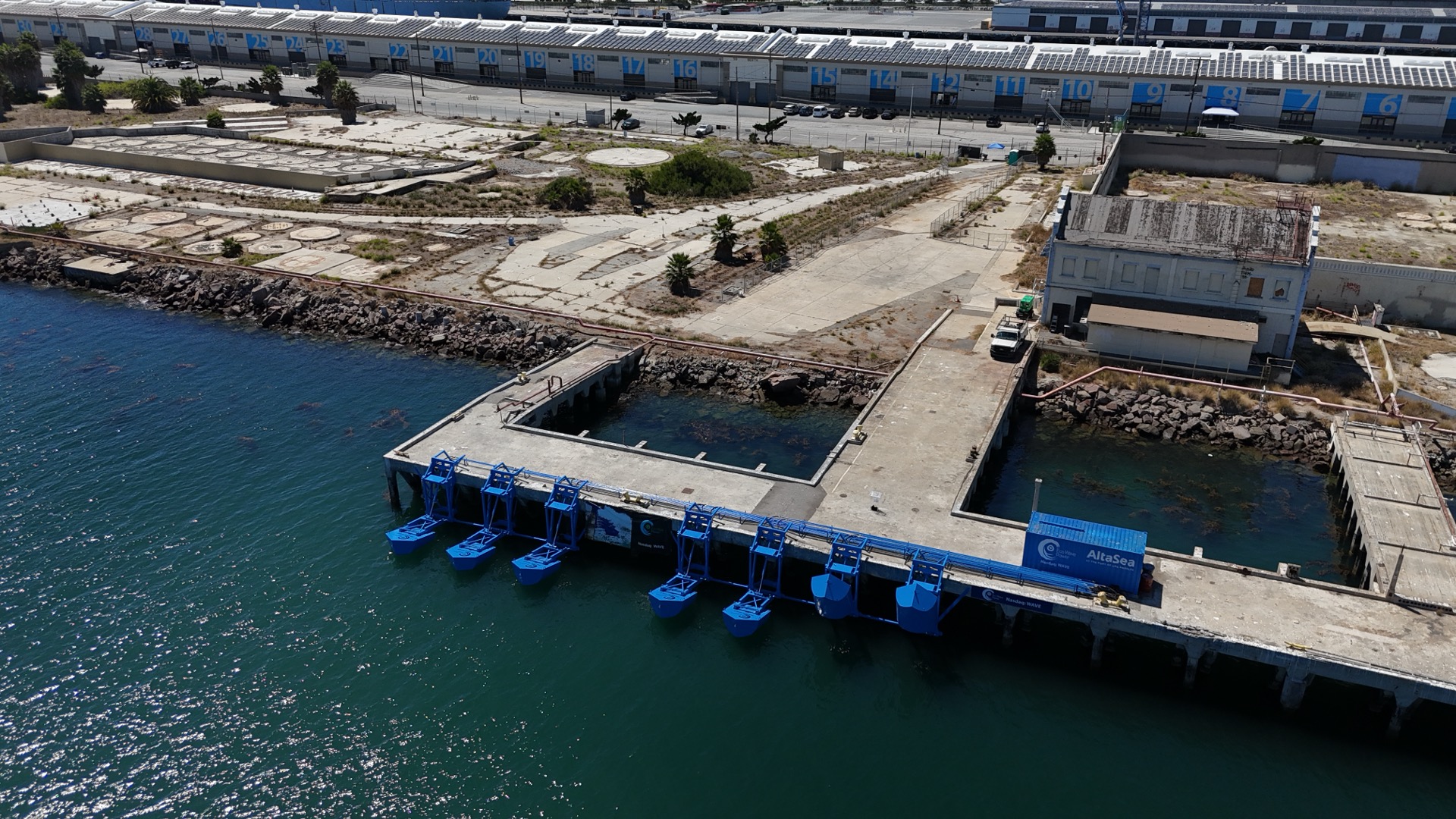
Its approach relies on existing coastal structures such as breakwaters and sea walls rather than new offshore platforms.
That siting model matters for power planning because many new electricity loads are appearing in places where grid upgrades, transmission work and land acquisition can take years.
Eco Wave is not claiming to replace the grid; it is arguing that coastal structures can host generation closer to ports and industrial districts that already have heavy infrastructure needs.
For AI infrastructure planners, the important detail is location.
NVIDIA says wave systems can be placed near ports, industrial zones and future AI infrastructure hubs, reducing some distance between new power generation and heavy electricity users.
NVIDIA did not identify a data-center customer or a signed AI power contract for Eco Wave.
Floaters Keep Expensive Hardware On Land
Eco Wave’s design uses floating equipment attached to coastal structures to capture wave force.
The company keeps computers, sensors, hydraulic conversion equipment and electric parts on land, a design choice meant to protect expensive components from rough water and storms.
Inna Braverman, Eco Wave Power’s cofounder and CEO, said wave power has been difficult to harness and that the company focused on simplifying the system.
NVIDIA describes the design as noninvasive floating infrastructure, with AI models and digital twins used to simulate energy potential before physical deployment.
The source-backed figures show why the idea attracts infrastructure attention.
The Energy Information Administration is cited for the claim that wave energy in the U.S. alone could produce over 60% of annual energy consumption.
NVIDIA also says seawater is roughly 800x as dense as air, allowing smaller devices than wind turbines to capture meaningful energy.
The company’s architecture also addresses a failure point in earlier wave-energy designs.
NVIDIA says Eco Wave keeps the vulnerable control and conversion systems away from the floater, leaving the shoreline equipment to handle the mechanical force while onshore systems manage monitoring and power conversion.
Digital Twins Still Need Commercial Proof
Eco Wave is using NVIDIA Omniverse libraries and Blackwell server GPUs to build digital twins that model wave conditions and device performance.
The company says simulation can speed site selection and reduce deployment risk before equipment is installed.
The operating case is still narrower than the headline energy potential.
Ports and industrial zones need permits, grid connections, maintenance plans and buyers willing to treat wave power as part of their energy mix.
NVIDIA did not name an AI data-center operator buying electricity from the system.
NVIDIA frames the work as part of a wider energy problem around accelerated computing, agentic AI, industrial AI, edge computing and robotics.
Eco Wave’s relevance to AI infrastructure therefore depends on whether coastal generation can be financed, permitted and connected where compute demand is actually growing.
That leaves the business burden with project execution.
Eco Wave has to show that shoreline generation can move from simulation and coastal pilots into repeatable power projects near the industrial loads that AI infrastructure is creating.