Groq Raises $650 Million As Its AI Chip Story Turns Toward Neocloud Scale
Groq announced a $650 million round after Nvidia licensed its technology and hired senior leaders, leaving the AI chip company to rebuild around a neocloud business spanning 13 data centers.

Groq Raises Capital After A Leadership Shock
Groq has announced a $650 million funding round as the AI chip company tries to rebuild its position after Nvidia licensed its technology and hired away several senior leaders.
Disruptive and Infinitum led the financing.
Alex Davis founded Disruptive and also chairs Groq, while Infinitum is based in Fort Lauderdale.
Groq did not disclose a new valuation.
The company was last valued at $6.9 billion after a $750 million round in September.
The financing follows a December transaction with Nvidia that combined a non-exclusive technology licence with hiring of founder and chief executive Jonathan Ross, president Sunny Madra and other employees.
Doug Wightman, another former Google engineer who helped start Groq, stayed with the company and became chief executive.
Neocloud Becomes The Operating Bet
Groq had built its pitch around a language processing unit, or LPU, designed for AI inference and sold through cloud services or on-premises hardware clusters.
After the Nvidia deal, Groq said it has shifted toward its neocloud business.
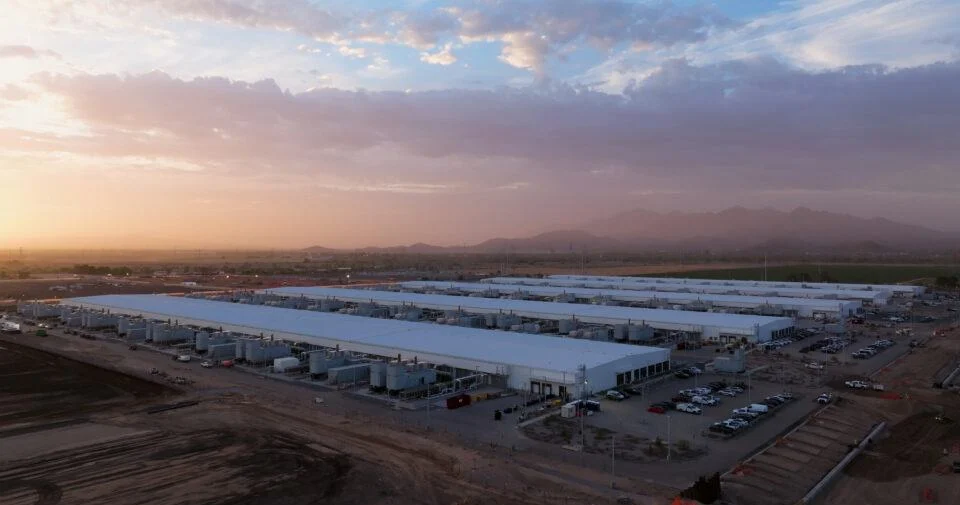
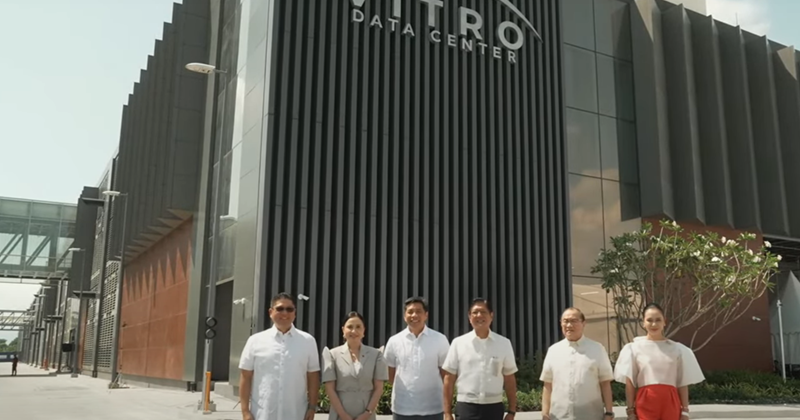
The company says the neocloud footprint covers 13 data centers in four regions: North America, Europe, the Middle East and APAC.
Groq also describes usage at large scale, saying its service reaches more than five million developers, serves thousands of AI companies and handles trillions of tokens each week.
Groq’s Middle East reference gives the story a regional infrastructure link, but the company did not identify a named Middle East customer, data-center site or sovereign AI contract in the announcement.
That leaves the regional claim as footprint evidence rather than proof of a specific public-sector deployment.
Those numbers make the round more than a balance-sheet repair.
Groq is trying to show that its remaining business can compete as an AI infrastructure provider even after a rival took a license to its LPU technology and recruited key executives.
Investors Still Need Proof Beyond Token Volume
Groq has also been restaffing its leadership team.
It named Alan Rice as chief operating officer after roles at xAI and Meta and a career in the U.S. Navy.
Sinclair Schuller joined as chief technology officer, while Rakesh Malhotra became chief product officer.
The company did not disclose revenue, customer concentration, data-center capacity or gross margin for the neocloud business.
Those missing operating figures matter because developer counts and token volume do not by themselves prove durable infrastructure economics.
Groq now has fresh capital, a new leadership structure and a cloud footprint that includes the Middle East.
The harder work is showing whether that footprint can turn inference demand into repeatable revenue after the Nvidia licensing and hiring deal changed the company’s original chip story.