Nvidia's RTX Spark Turns AI PCs Into the Next Chip Battleground
Nvidia is entering the AI PC market with RTX Spark, a MediaTek-linked SoC that combines Blackwell GPU technology with a CPU on a single chip. The move shifts Nvidia's AI strategy closer to edge devices, where agentic AI could run locally instead of relying only on cloud infrastructure. Analysts cited in the source said the PC opportunity is still small compared with Nvidia's data center and networking businesses.
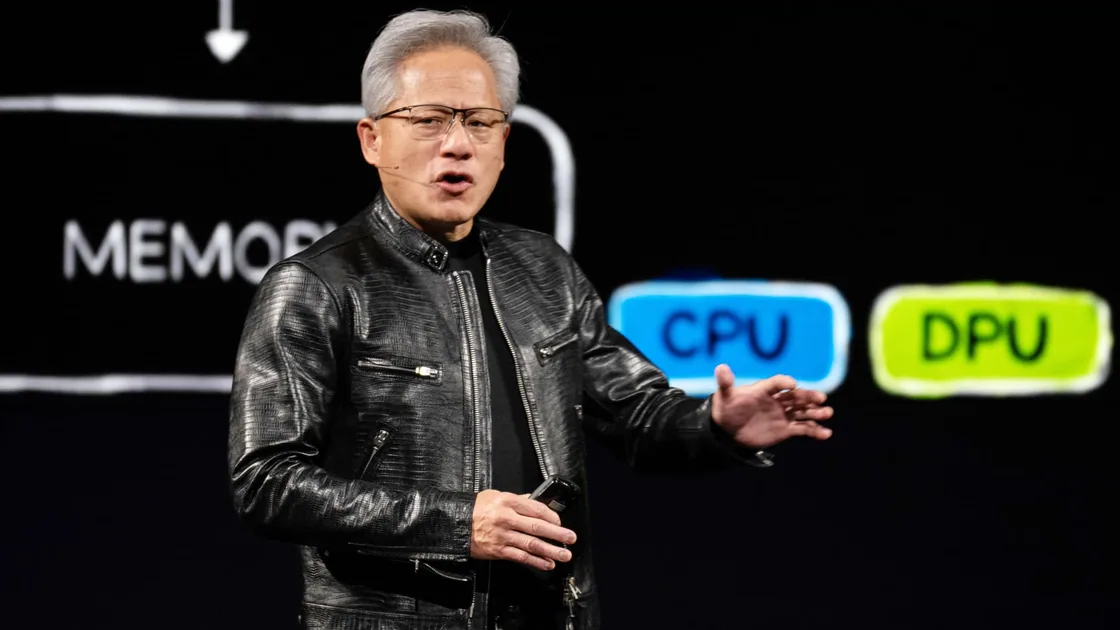
Nvidia Moves Its AI Ambition From Data Centers to the PC
Nvidia is trying to extend its AI position beyond data center systems and into Windows PCs, using a new system-on-chip strategy built with Taiwan's MediaTek.
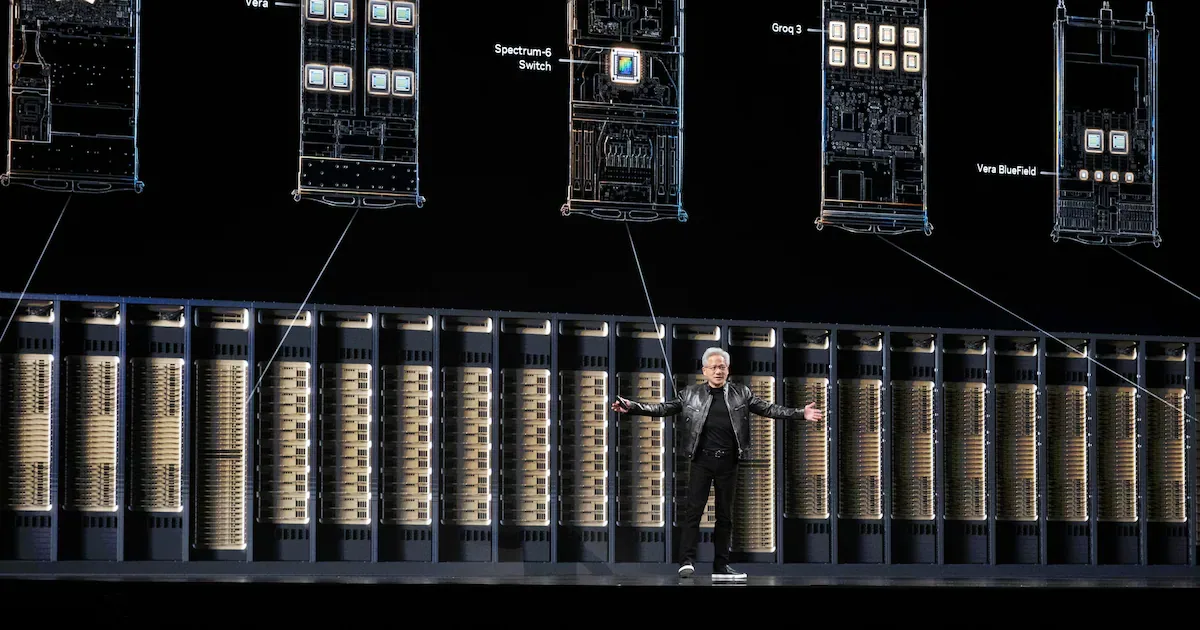
At Computex 2026 in Taipei, CEO Jensen Huang presented the RTX Spark, also referred to as N1X, as part of a plan to make local AI computing a bigger part of the PC market.
The move matters because Nvidia's recent rise has been tied mainly to data center GPUs, while the PC processor market has long been shaped by Intel and AMD.
If AI models and agents run more often on laptops and desktops rather than only through cloud services, the processor inside the device becomes a more strategic control point.
For PC makers and chip rivals, the signal is direct.
Nvidia is not only selling accelerator systems for cloud AI; it is also positioning itself closer to the endpoint where users may run AI applications.
Edge AI Creates a New Competitive Test
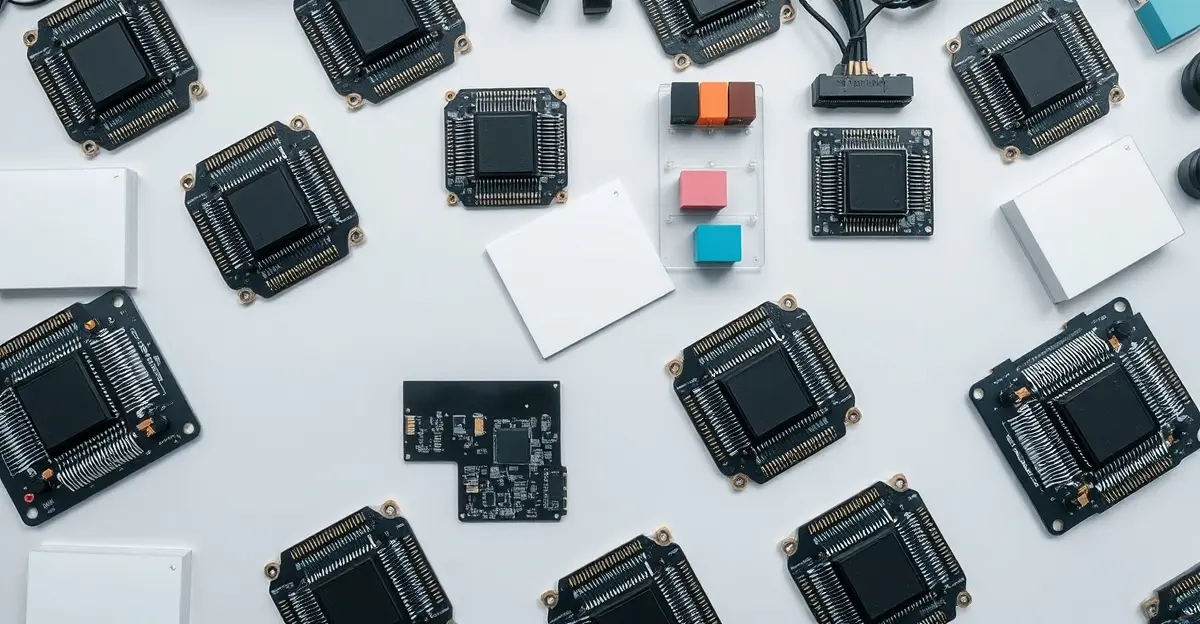
The RTX Spark pairs Nvidia's Blackwell GPU technology with a MediaTek CPU on the same SoC.
The chip also uses unified memory, allowing the CPU and GPU to access the same memory on a single SoC.
The source describes that as a way to reduce an AI bottleneck and help the chip run larger AI models locally.
Huang linked the product to agentic AI, saying an agent could run continuously on a local Nvidia-based computer without metered cloud usage.
That framing gives Nvidia a PC argument that is different from a standard upgrade cycle: the company is presenting the device as a local AI workstation rather than only a faster consumer laptop.
The commercial test is still early.
One estimate put Nvidia's networking business, which reported about $15 billion in sales in the most recent quarter, at least 20 times larger than its PC business, while total data center revenue in the latest quarter topped $75 billion.
A Market With Big Incumbents and Slower Growth
Nvidia enters a PC chip market that is meaningful but not expanding at data center speed.
IDC estimated that 296 million PC chips shipped in 2025, the first increase in three years, but still below the pandemic-era peak of 361 million in 2021.
Patrick Moorhead estimated Nvidia could sell 10 million PC chips over the next two years.
The competitive field is also crowded.
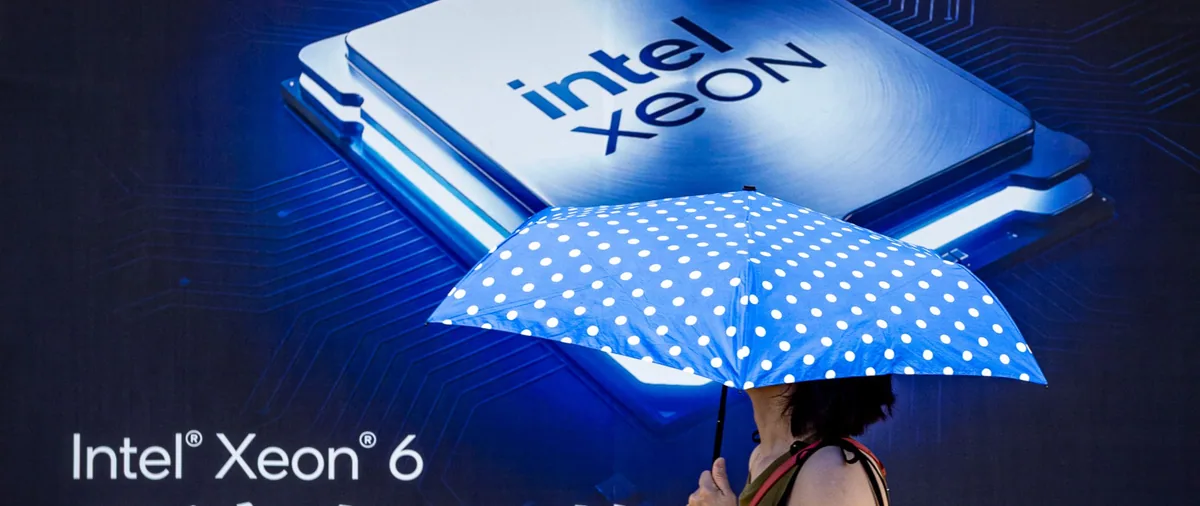
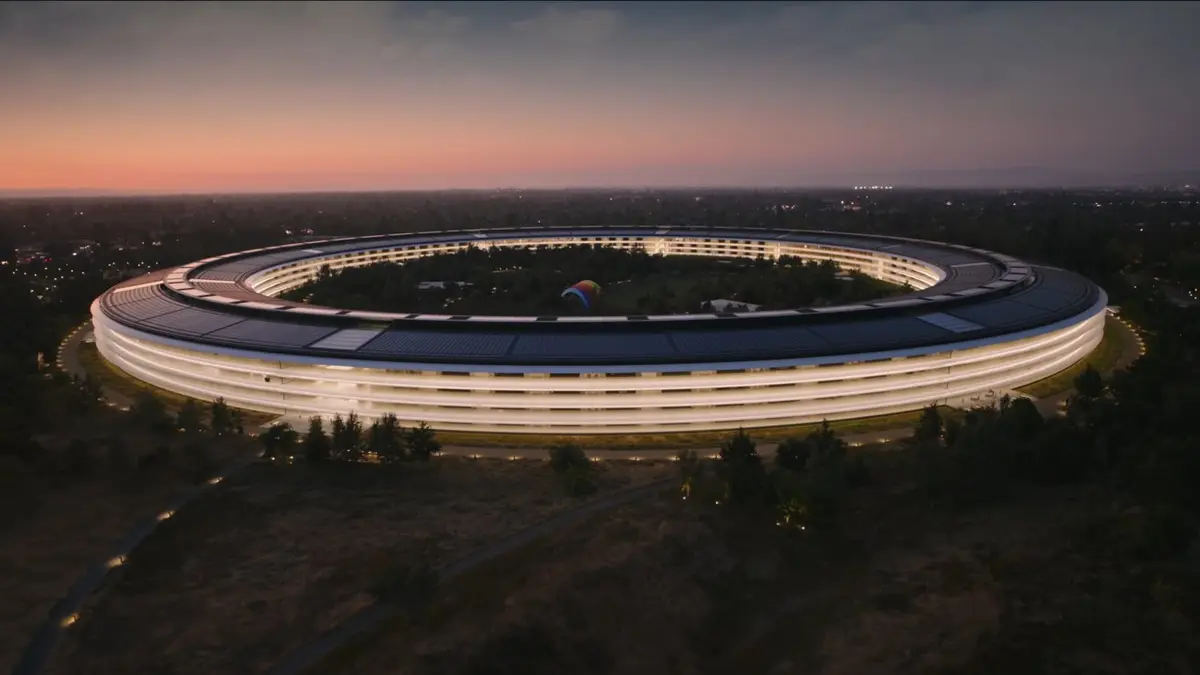
Intel and AMD remain the historic x86 powers in PCs, Qualcomm has introduced Windows laptop SoCs in the past two years, and Apple has used its own processors since 2020.
Nvidia's advantage is that much of cloud AI already depends on its GPU ecosystem, which could make its move onto devices more credible for developers and premium PC buyers.
The next signal is whether Nvidia-powered Windows PCs create enough local AI use cases to change buyer behavior, or whether the company's PC push remains a smaller extension of its much larger data center AI business.
Summary version for Medium
Nvidia's RTX Spark Turns AI PCs Into the Next Chip Battleground
Why this hardware shift matters for AI and compute buyers
Quick Summary: Nvidia is entering the AI PC market with RTX Spark, a MediaTek-linked SoC that combines Blackwell GPU technology with a CPU on a single chip. The move shifts Nvidia's AI strategy closer to edge devices, where agentic AI could run locally instead of relying only on cloud infrastructure.
The Core Signal
Nvidia is entering the AI PC market with RTX Spark, a MediaTek-linked SoC that combines Blackwell GPU technology with a CPU on a single chip. The move shifts Nvidia's AI strategy closer to edge devices, where agentic AI could run locally instead of relying only on cloud infrastructure.
The Technical Or Market Detail
Nvidia Moves Its AI Ambition From Data Centers to the PC Nvidia is trying to extend its AI position beyond data center systems and into Windows PCs, using a new system-on-chip strategy built with Taiwan's MediaTek.
- Point 1: The central topic is chips-semiconductors, with the announcement framed around concrete operating detail.
- Point 2: At Computex 2026 in Taipei, CEO Jensen Huang presented the RTX Spark, also referred to as N1X, as part of a plan to make local AI computing a bigger part of the PC market.
The important shift is not the AI label, but the operating boundary it creates for teams.
Operational Impact Or Limits
Nvidia is entering the AI PC market with RTX Spark, a MediaTek-linked SoC that combines Blackwell GPU technology with a CPU on a single chip. The move shifts Nvidia's AI strategy closer to edge devices, where agentic AI could run locally instead of relying only on cloud infrastructure.
Read the Full Deep Dive
Want to explore the complete technical analysis, enterprise trade-offs, and detailed metrics?
Read the full article originally published at SendTech Times