White House Pushes New Gatekeeping Role For Frontier AI Model Access
CNBC reported that the Trump administration is pressing deeper into access decisions for frontier AI models from OpenAI and Anthropic, while a White House official said release timing and scope remain company decisions.
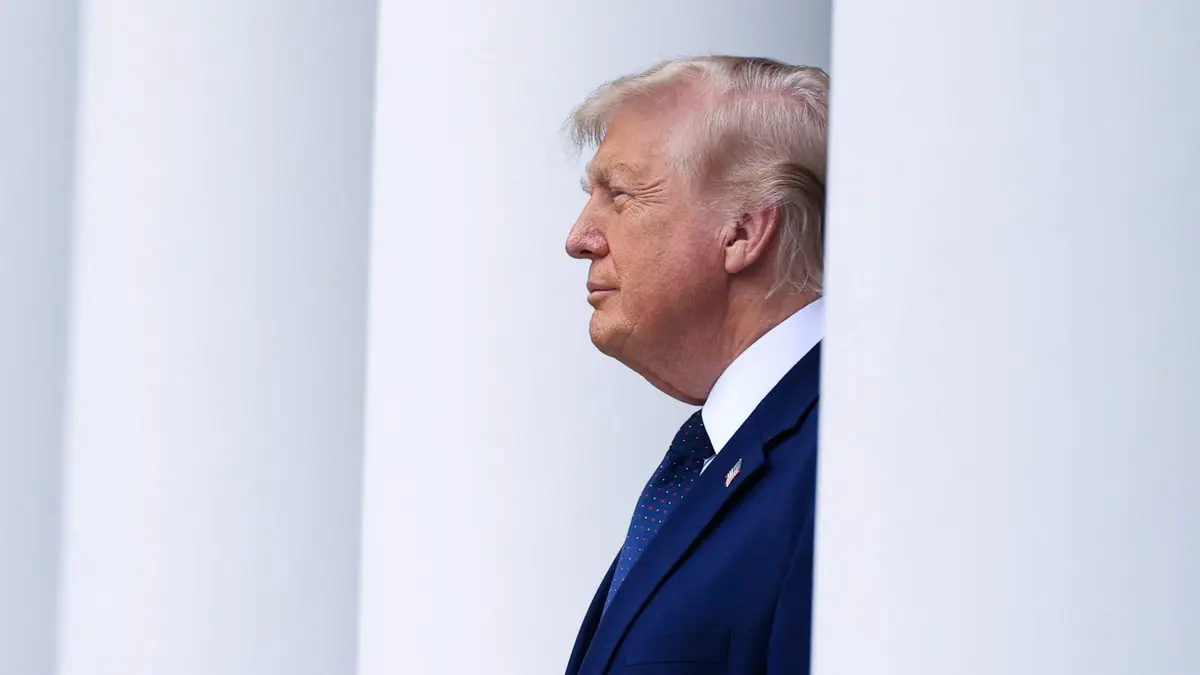
Access to new frontier AI models is moving closer to direct White House scrutiny, according to CNBC reporting on OpenAI, Anthropic and government cybersecurity testing.
CNBC cited two people familiar with the matter who described the Trump administration as dictating which companies and entities can receive the latest frontier releases.
The reported access push sits beside the White House's public position.
A White House official told CNBC that the administration does not approve private-company AI releases and described testing, meetings and government-engagement work as voluntary.
Frontier Model Access Moves Towards Government Review
CNBC reported that OpenAI and Anthropic previously decided which companies and agencies could use their most powerful models, often including major enterprise customers.
Under the newer process described by people familiar with the matter, future rollouts would require explicit government approval for which partners can be involved.
Anthropic's Project Glasswing gave a limited set of partners access to its Mythos cybersecurity model.
OpenAI was asked by the administration to restrict GPT-5.6 access, and CNBC said the company also has Daybreak, a consortium for a cybersecurity model.
The White House official rejected the idea that the administration provides release approvals.
Decisions on timing and scope rest with the companies, the official told CNBC, while the administration works with frontier labs to strengthen technology security.
Mythos And Fable Access Returned After Negotiations
CNBC cited a Trump administration block on Claude Mythos 5 and Fable 5 last month on national-security grounds.
Access was reinstated after weeks of negotiations with Anthropic.
OpenAI stated last month that new models would be limited to trusted partners as part of government-request compliance.
Those steps leave company-led initiatives such as Project Glasswing and OpenAI's Daybreak facing uncertainty over future access decisions.
This week, the administration launched Gold Eagle, a programme meant to work with the private sector on finding and fixing cyber vulnerabilities.
CNBC cited a person familiar with the matter who described the clearinghouse as a way for the White House to greenlight which companies can receive access to new AI models.
Chinese Open-Weight Model Adds Policy Pressure
The access debate is unfolding as cheaper open-weight models from China narrow the gap with US frontier labs.
CNBC noted that Moonshot AI unveiled Kimi K3 on Friday and described the model as largely catching up with the performance of Fable and GPT-5.6.
David Sacks, founder of Craft Ventures and former White House AI czar, called the Kimi development concerning in CNBC's account.
He wrote that the rest of the world would not follow US rules if American companies were slowed by domestic restrictions.
The administration's June executive order had already asked companies to give the government early model access for testing on a voluntary basis.
CNBC did not include a final Gold Eagle rule, a public approval list for model recipients or a written order transferring access decisions from companies to the White House.
Summary version for Medium
White House Pushes New Gatekeeping Role For Frontier AI Model Access
What the policy signal means for operators and investors
Quick Summary: CNBC reported that the Trump administration is pressing deeper into access decisions for frontier AI models from OpenAI and Anthropic, while a White House official said release timing and scope remain company decisions.
Frontier Model Access Moves Towards Government Review
CNBC reported that OpenAI and Anthropic previously decided which companies and agencies could use their most powerful models, often including major enterprise customers. Under the newer process described by people familiar with the matter, future rollouts would require explicit government approval for which partners can be involved.
Mythos And Fable Access Returned After Negotiations
CNBC cited a Trump administration block on Claude Mythos 5 and Fable 5 last month on national-security grounds.
- Point 1: The central topic is capital-policy, with the announcement framed around concrete operating detail.
- Point 2: Access was reinstated after weeks of negotiations with Anthropic.
The important shift is not the AI label, but the operating boundary it creates for teams.
Chinese Open-Weight Model Adds Policy Pressure
The access debate is unfolding as cheaper open-weight models from China narrow the gap with US frontier labs. CNBC noted that Moonshot AI unveiled Kimi K3 on Friday and described the model as largely catching up with the performance of Fable and GPT-5.6.
Read the Full Deep Dive
Want to explore the complete technical analysis, enterprise trade-offs, and detailed metrics?
Read the full article originally published at SendTech Times