AI Memory Demand Pushes India Smartphone Shipments Down 10%
TechCrunch reported that India smartphone shipments fell 10% year over year in the April-June quarter as AI data centre demand pulled memory suppliers toward high-bandwidth memory. The story cited Counterpoint Research and IDC, while customer-level component contracts and supplier allocation data remain undisclosed.
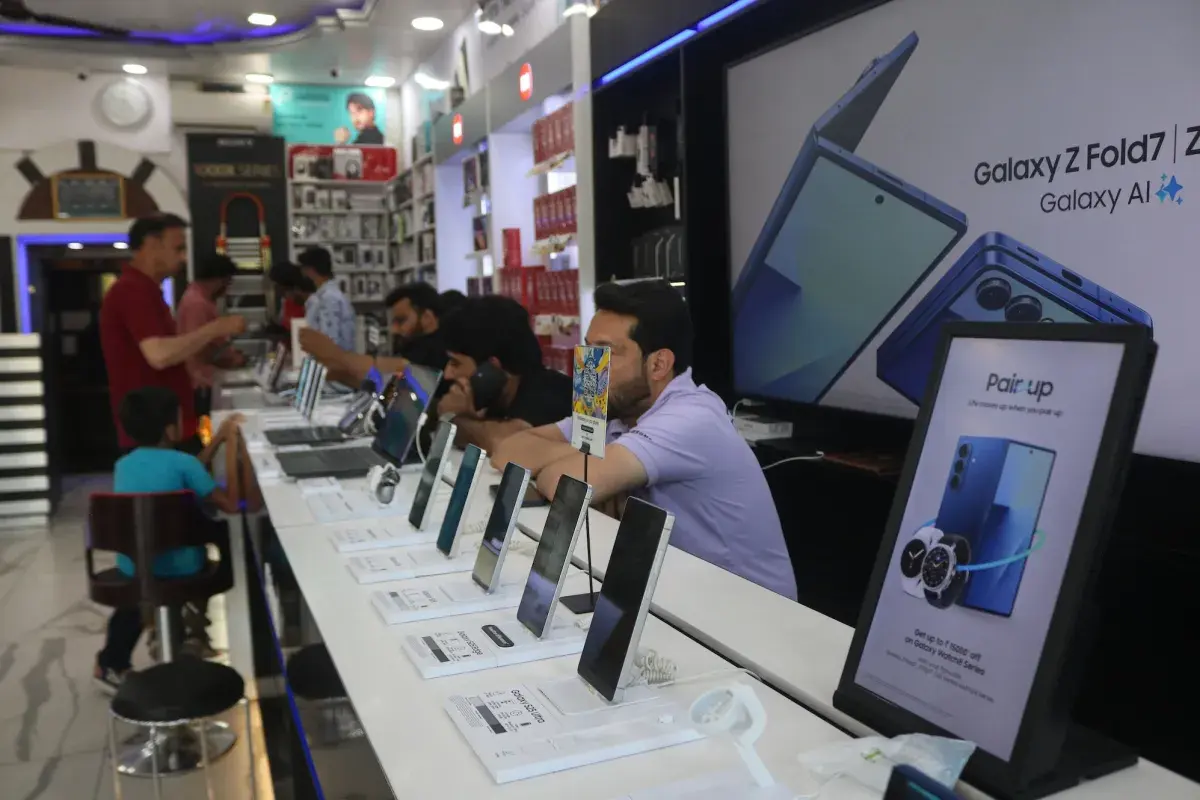
India smartphone shipments fell 10% year over year in the April-June quarter as higher memory costs reached one of the world's largest handset markets, TechCrunch reported, citing Counterpoint Research.
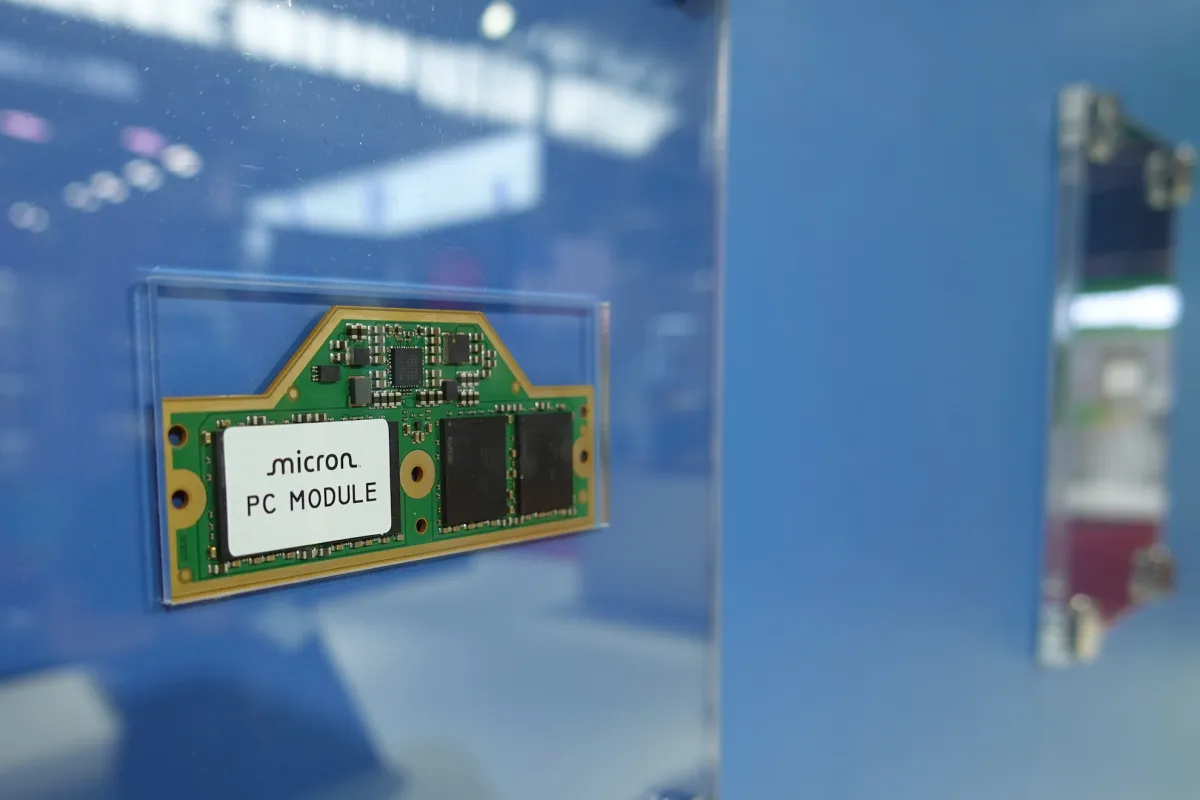
Samsung, SK Hynix and Micron have been shifting capacity toward high-bandwidth memory used in AI accelerators, according to the same story.
The shortage pushed an AI infrastructure constraint onto a consumer-device supply chain.
Standard RAM and storage parts used in phones and laptops now compete with the more profitable high-bandwidth memory needed for AI systems.
Counterpoint Recorded The Steepest June-Quarter Decline In Six Years
Counterpoint Research described the April-June fall as the steepest June-quarter decline in six years.
TechCrunch identified India as the world's second-largest smartphone market by shipments after China, with more than 1.4 billion people and over 700 million smartphone users.
Counterpoint listed Samsung as the only major smartphone brand in its India Q2 figures to record shipment growth, with volumes rising 2% year over year.
Apple shipments fell 3%, a decline TechCrunch attributed largely to supply constraints and inventory shortages that limited how many iPhones Apple could deliver.
The figures came from market-research reporting rather than supplier filings.
Purchase agreements from Samsung, SK Hynix, Micron, Apple or Indian handset brands remain outside the public record.
RAM And Storage Prices Hit Budget Phone Margins
Kiranjeet Kaur, associate research director for mobile phones research at IDC, told TechCrunch that India's smartphone market is moving from volume-led growth toward value growth.
Her explanation was that fewer phones are being sold overall while each device generates more revenue as higher component costs make lower-priced smartphones less economical.
Pathak told TechCrunch that smartphone prices in India have risen from 4% to 68%, depending on the model.
Consumers are responding by moving toward higher-priced devices, delaying upgrades or turning to the secondhand market.
Budget-focused brands face margin pressure under the same component-cost pattern.
TechCrunch cited OnePlus as an example of a vendor retreating toward markets where it can still make a profit while ceding ground elsewhere as margins tighten.
IDC Expects A Double-Digit Q2 Shipment Drop
Kaur told TechCrunch that IDC also expects India smartphone shipments to decline by double digits in Q2.
She said the forecast would exceed the earlier 4.1% first-quarter decline and the 5.3% fall recorded in the prior quarter, although IDC's estimates were not yet finalised.
Kaur also pointed to currency pressure.
A weaker currency makes imports costlier for Indian consumers, adding margin pressure for market players that are passing costs on to buyers.
The public evidence still lacks memory supply contracts, customer-level allocation from Samsung, SK Hynix or Micron, handset bill-of-materials data, and final IDC Q2 shipment figures.
Summary version for Medium
AI Memory Demand Pushes India Smartphone Shipments Down 10%
Why this hardware shift matters for AI and compute buyers
Quick Summary: TechCrunch reported that India smartphone shipments fell 10% year over year in the April-June quarter as AI data centre demand pulled memory suppliers toward high-bandwidth memory. The story cited Counterpoint Research and IDC, while customer-level component contracts and supplier allocation data remain undisclosed.
Counterpoint Recorded The Steepest June-Quarter Decline In Six Years
Counterpoint Research described the April-June fall as the steepest June-quarter decline in six years. TechCrunch identified India as the world's second-largest smartphone market by shipments after China, with more than 1.4 billion people and over 700 million smartphone users.
RAM And Storage Prices Hit Budget Phone Margins
Kiranjeet Kaur, associate research director for mobile phones research at IDC, told TechCrunch that India's smartphone market is moving from volume-led growth toward value growth.
- Point 1: The central topic is chips-semiconductors, with the announcement framed around concrete operating detail.
- Point 2: Her explanation was that fewer phones are being sold overall while each device generates more revenue as higher component costs make lower-priced smartphones less economical.
The important shift is not the AI label, but the operating boundary it creates for teams.
IDC Expects A Double-Digit Q2 Shipment Drop
Kaur told TechCrunch that IDC also expects India smartphone shipments to decline by double digits in Q2. She said the forecast would exceed the earlier 4.1% first-quarter decline and the 5.3% fall recorded in the prior quarter, although IDC's estimates were not yet finalised.
Read the Full Deep Dive
Want to explore the complete technical analysis, enterprise trade-offs, and detailed metrics?
Read the full article originally published at SendTech Times