Micron Rally Signals AI Memory Shortage In Data-Centre Buildout
Micron's market rally is being driven by AI data-centre memory demand, with TechCrunch citing a $1.27 trillion market cap, a 236% one-month stock gain and supply shortages expected to last into 2027.
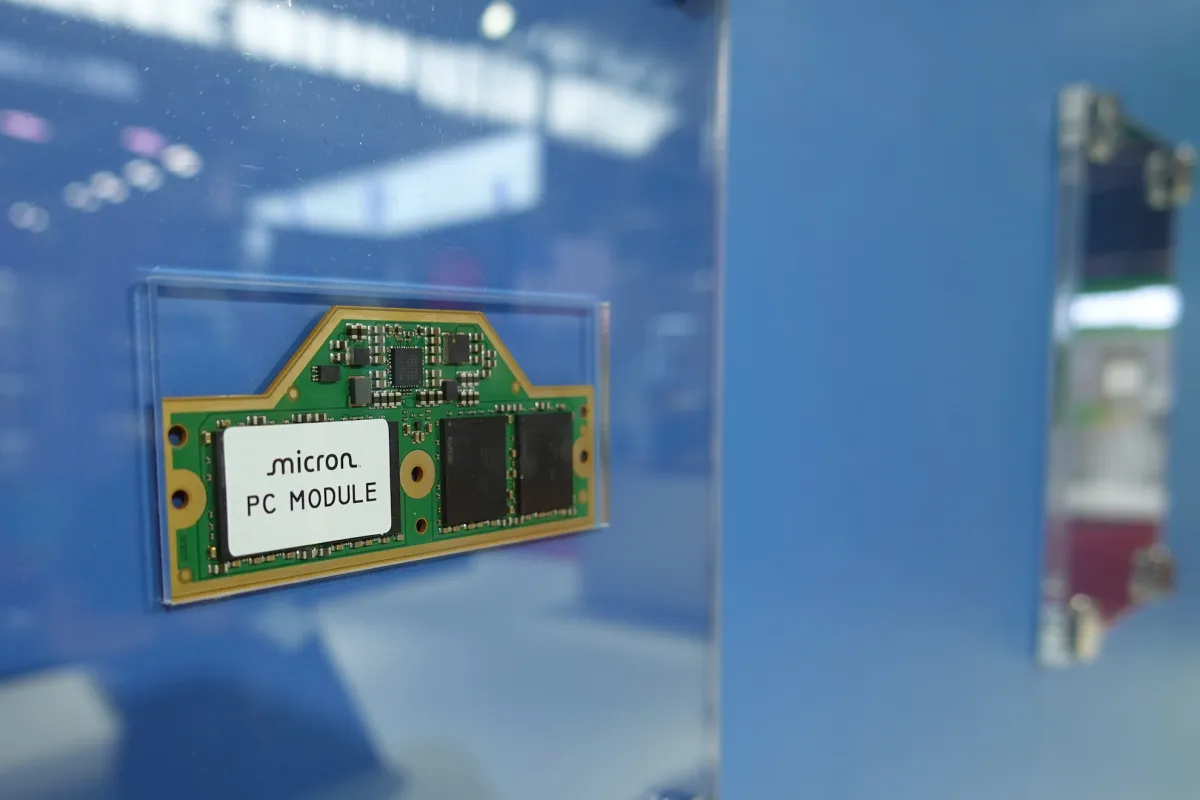
Micron Rally Tracks AI Memory Shortage
Micron has become one of Wall Street's largest artificial intelligence infrastructure bets as demand for data-centre memory tightens.
The Boise, Idaho-based memory chip maker briefly moved above Meta and Tesla by market value on Thursday before ending Friday close to those companies.
Micron closed Friday with a market cap close to $1.27 trillion.
Meta was listed at $1.39 trillion and Tesla at $1.42 trillion.
Micron shares had risen more than 236% in the past month and closed Friday at $1,132 a share, after trading below $100 a share before mid-2025.
AI Servers Pull DRAM And NAND Into The Compute Stack
The demand signal comes from AI data-centre buildouts rather than consumer memory cards.
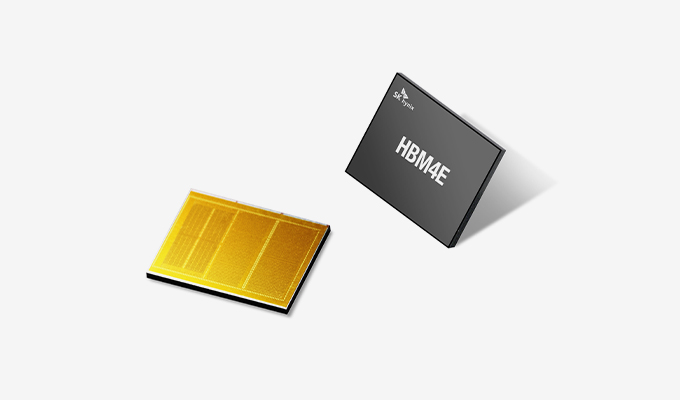
Micron makes DRAM and NAND, including High-Bandwidth Memory, and AI servers can require far more memory than laptops.
AI system makers and hyperscalers are buying large quantities of memory.
Nvidia, Microsoft, Amazon AWS, Google, Meta and Oracle are among the buyers or system builders shaping the demand environment.
PC and device makers are competing for memory supply alongside AI system builders.
RAMageddon Extends Into Consumer Prices
TechCrunch described the supply shortage as RAMageddon and reported that it is predicted to persist into 2027.
The shortage is already pushing up prices for consumer electronics including Apple products and Xbox consoles.
Micron's third-quarter earnings gave investors a fresh data point.
Revenue quadrupled year over year to $41.45 billion, profit rose from $1.88 billion to $28.2 billion, and the company forecast fourth-quarter revenue between $49 billion and $51 billion.
Micron Names Nvidia And Anthropic In Long-Term Supply Agreements
The risk is the memory industry's history of boom-and-bust capacity cycles.
Building manufacturing capacity is expensive and slow, while demand can fall just as new supply comes online.
Micron is pointing to longer commitments to reduce that risk.
The company cited long-term supply agreements including Nvidia and Anthropic, and said it had signed 16 strategic customer agreements across data-centre, consumer and auto markets.
Contract values, delivery schedules and capacity commitments behind those agreements were not disclosed.
Summary version for Medium
Micron Rally Signals AI Memory Shortage In Data-Centre Buildout
Why this hardware shift matters for AI and compute buyers
Quick Summary: Micron's market rally is being driven by AI data-centre memory demand, with TechCrunch citing a $1.27 trillion market cap, a 236% one-month stock gain and supply shortages expected to last into 2027.
Micron Rally Tracks AI Memory Shortage
Micron has become one of Wall Street's largest artificial intelligence infrastructure bets as demand for data-centre memory tightens. The Boise, Idaho-based memory chip maker briefly moved above Meta and Tesla by market value on Thursday before ending Friday close to those companies.
AI Servers Pull DRAM And NAND Into The Compute Stack
The demand signal comes from AI data-centre buildouts rather than consumer memory cards.
- Point 1: The central topic is chips-semiconductors, with the announcement framed around concrete operating detail.
- Point 2: Micron makes DRAM and NAND, including High-Bandwidth Memory, and AI servers can require far more memory than laptops.
The important shift is not the AI label, but the operating boundary it creates for teams.
RAMageddon Extends Into Consumer Prices
TechCrunch described the supply shortage as RAMageddon and reported that it is predicted to persist into 2027. The shortage is already pushing up prices for consumer electronics including Apple products and Xbox consoles.
Read the Full Deep Dive
Want to explore the complete technical analysis, enterprise trade-offs, and detailed metrics?
Read the full article originally published at SendTech Times