BIS Warns AI Investment Boom Could Unwind Abruptly
The Bank for International Settlements says AI infrastructure spending helped support global growth and loose financial conditions, but warns that supply bottlenecks, overinvestment, stretched valuations and opaque financing could turn an AI disappointment into a broader financial-stability shock.
BIS Annual Report Names AI Capex As A Macro-Financial Vulnerability
The Bank for International Settlements has moved the AI investment boom from a technology-growth story into a central-bank risk map.
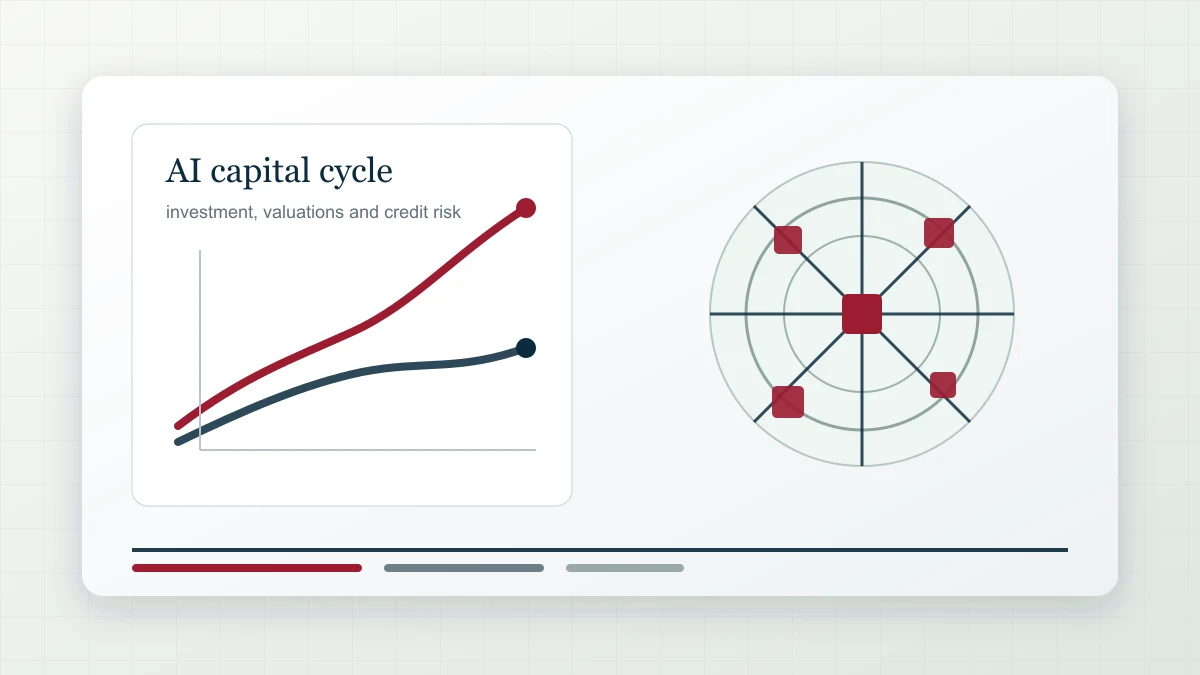
In its Annual Economic Report 2026, the BIS says investment in artificial intelligence ecosystems helped global growth withstand tariff and geopolitical shocks, but it also describes the same boom as a possible source of macro-financial vulnerability.
The report says a wave of optimism about AI spurred capital expenditure on AI infrastructure, lifted United States investment and created spillovers along global supply chains.
It also says animal spirits around AI lifted stock valuations and helped sustain favourable global financial conditions.
AI spending provided a real demand impulse at a time when trade policy and geopolitical uncertainty were already weighing on the global outlook.
The BIS warning is that the support mechanism can run in reverse.
The report says optimism around AI may not last, even though the technology still promises future productivity gains.
If supply bottlenecks restrain production, the current surge in capital expenditure could prove unsustainable.
If competition for market leadership fuels overinvestment, the BIS says the risk of a sharp reversal would rise if AI payoffs disappoint.
Capital spending now carries a bottleneck risk
The BIS identifies the investment chain behind the boom rather than treating AI as a narrow software cycle.
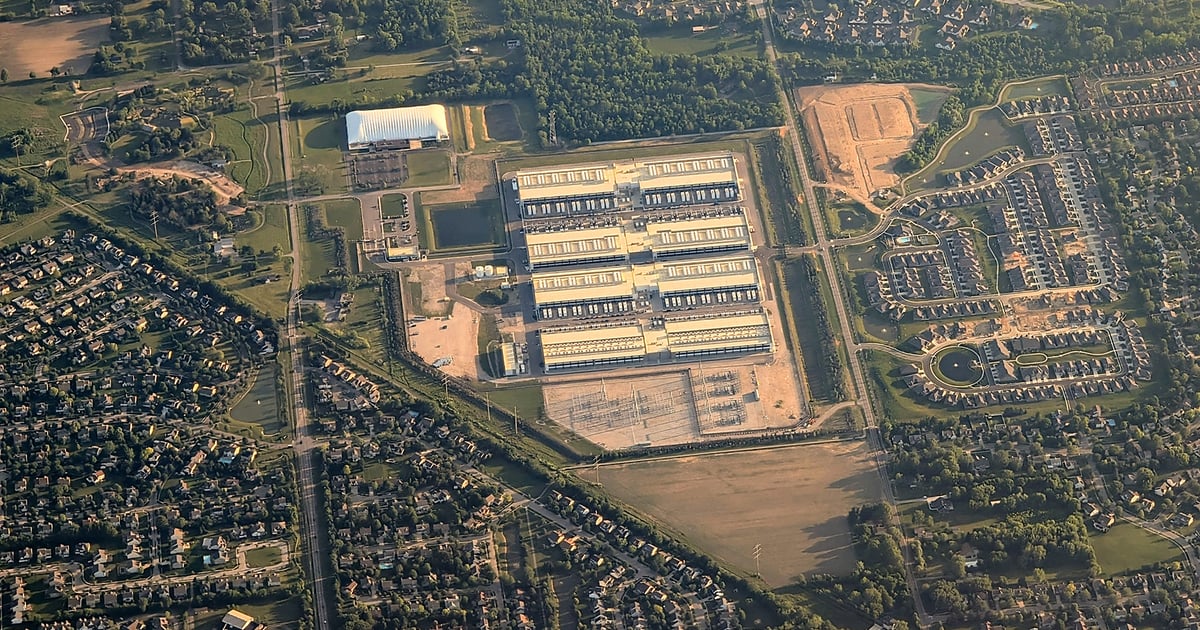
It points to semiconductor purchases, data centre construction and expansion in power infrastructure in the United States, driven by hyperscalers.
It also says Asia benefited from AI supply-chain linkages that include semiconductors, data storage units and digital infrastructure.
The report frames AI demand as a network of capex, infrastructure, financing and trade flows.
A disappointment in expected AI returns could therefore hit more than equity sentiment.
It could pressure corporate credit, tighten financial conditions and reduce credit supply if investors abruptly reprice the companies and lenders exposed to the AI cycle.
The BIS says compressed risk premia and stretched valuations leave scope for a market reversal.
It also identifies less transparent AI financing, leverage in major markets and the expansion of private credit as forces that could weaken resilience.
The report does not say an AI crash is inevitable.
Its narrower warning is that confident risk-taking can reverse quickly when macroeconomic risks are already elevated.
BIS Says Policymakers Must Assess AI Across Growth, Inflation And Stability
The AI cycle creates a difficult policy problem because it can affect growth, inflation and financial stability at the same time.
The BIS says policymakers must assess AI's impacts across all three channels.
Strong investment can support activity and productivity expectations, but an overbuilt cycle can leave markets vulnerable if expected payoffs arrive later or at a smaller scale than investors assumed.
The policy message is therefore not to slow AI development.
It is to avoid letting easy financial conditions, stretched valuations and opaque leverage turn technology optimism into a macro-financial amplifier.
The BIS places that warning alongside broader concerns about inflation, fiscal pressure and fragile market structures, making AI part of the central-bank stability agenda rather than a separate innovation theme.
The report does not identify which AI-exposed lenders, private-credit vehicles or capital-expenditure thresholds it considers most vulnerable if expected AI payoffs disappoint.
Summary version for Medium
BIS Warns AI Investment Boom Could Unwind Abruptly
What the announcement means beyond the headline
Quick Summary: The Bank for International Settlements says AI infrastructure spending helped support global growth and loose financial conditions, but warns that supply bottlenecks, overinvestment, stretched valuations and opaque financing could turn an AI disappointment into a broader financial-stability shock.
BIS Annual Report Names AI Capex As A Macro-Financial Vulnerability
The Bank for International Settlements has moved the AI investment boom from a technology-growth story into a central-bank risk map. In its Annual Economic Report 2026, the BIS says investment in artificial intelligence ecosystems helped global growth withstand tariff and geopolitical shocks, but it also describes the same boom as a possible source of macro-financial vulnerability.
Capital spending now carries a bottleneck risk
The BIS identifies the investment chain behind the boom rather than treating AI as a narrow software cycle.
- Point 1: The central topic is gulf-politics, with the announcement framed around concrete operating detail.
- Point 2: It points to semiconductor purchases, data centre construction and expansion in power infrastructure in the United States, driven by hyperscalers.
The important shift is not the AI label, but the operating boundary it creates for teams.
BIS Says Policymakers Must Assess AI Across Growth, Inflation And Stability
The AI cycle creates a difficult policy problem because it can affect growth, inflation and financial stability at the same time. The BIS says policymakers must assess AI's impacts across all three channels.
Read the Full Deep Dive
Want to explore the complete technical analysis, enterprise trade-offs, and detailed metrics?
Read the full article originally published at SendTech Times