I-Pulse CHIPS Award Ties Silicon Carbide Switches To Geothermal Power
I-Pulse has signed a definitive agreement for a $250 million U.S. Department of Commerce CHIPS R&D award, but the company frames the semiconductor work around pulsed-power drilling rather than conventional AI accelerators.
I-Pulse Signs A $250 Million CHIPS R&D Agreement
I-Pulse has signed a definitive CHIPS research agreement with the U.S. Department of Commerce for a $250 million award to develop semiconductor and pulsed-power technology.
The company announced the agreement on June 25, 2026, from New York and identified the work as part of its American program for high-temperature, high-performance semiconductor components.
I-Pulse said the award supports research and development rather than a finished manufacturing line, customer contract or production-volume commitment.
The source is a company newsroom announcement.
Its strongest evidence is the signed award agreement, the named federal office, the $250 million figure, and the stated technology target: silicon-carbide semiconductors for high-temperature, high-current and high-voltage solid-state switches.
Silicon-Carbide Switches Target Harsh Environments
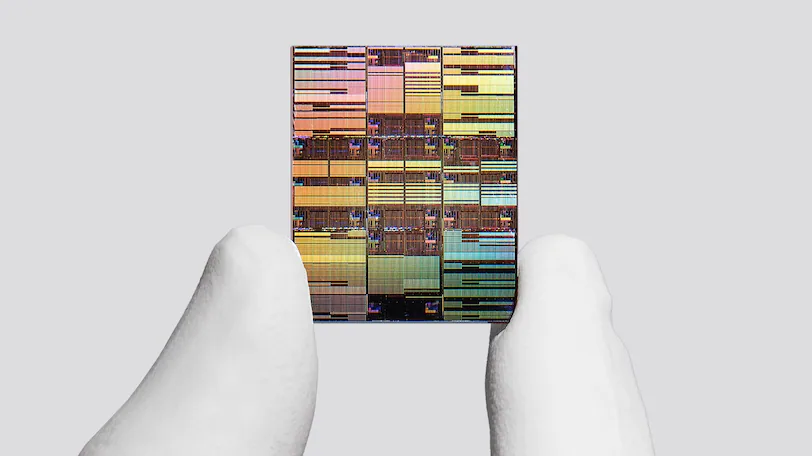
I-Pulse said it will develop silicon-carbide semiconductors with United States national laboratories, universities and specialized manufacturers.
The company described the switches as components for underground mining, rock crushing, manufacturing and defense systems.
The semiconductor target is tied to pulsed-power equipment rather than mainstream server chips.
I-Pulse says its high-voltage switches apply powerful electrical pulses to hot granites and other geothermal formations, fracturing and softening rock ahead of a drill bit.
The company says the approach is intended to increase drilling speed and extend drill-bit life.
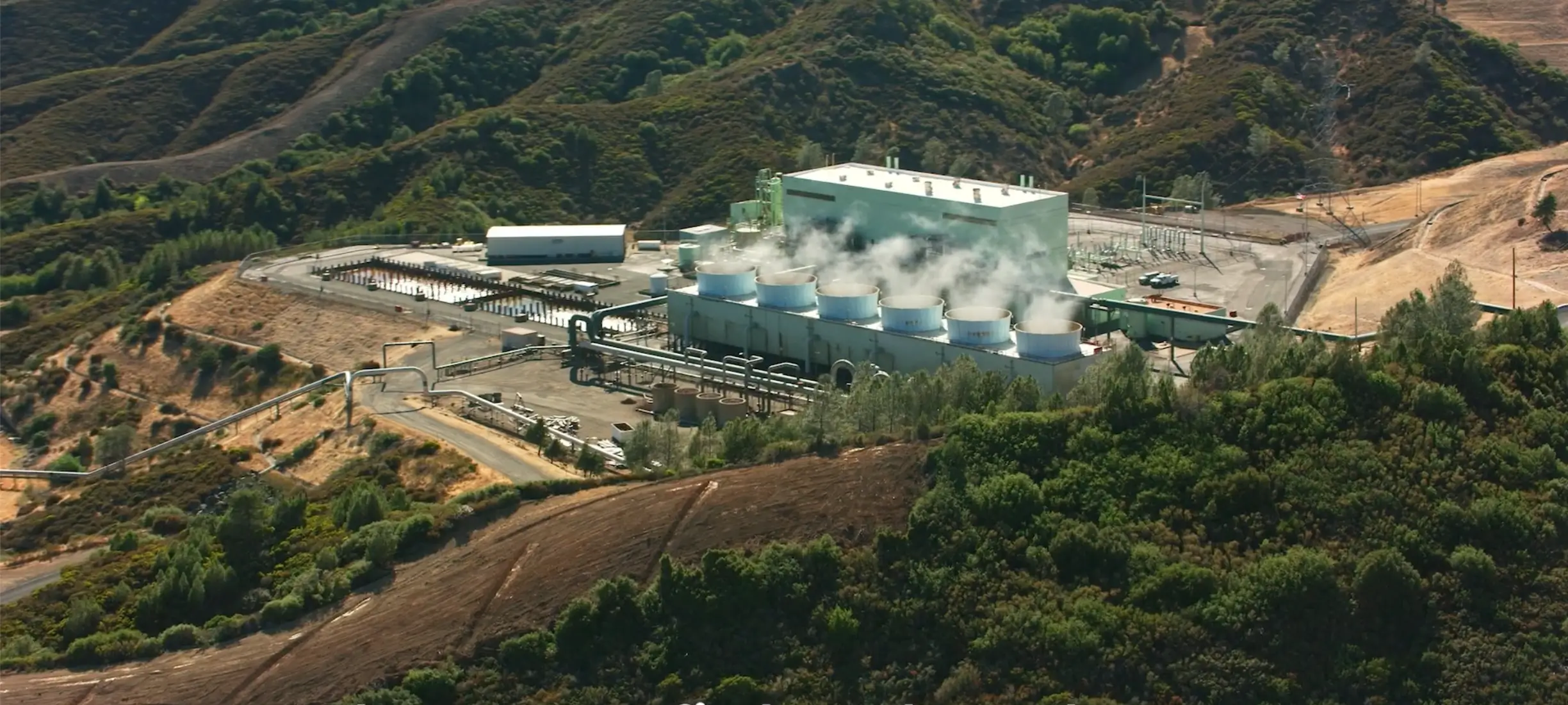
The announcement also links the component work to geothermal energy.
I-Pulse said its proprietary high-temperature semiconductors and capacitors are required for its geothermal drilling technology, and that its geothermal activities will be conducted by G-Pulse and other United States subsidiaries.
Data-Center Power Claim Depends On Geothermal Deployment
I-Pulse connected the semiconductor program to base-load, 24/7 power for data centers and domestic industrial activity.
The award therefore fits energy-for-compute coverage, but the announcement does not name a data-center customer, utility power purchase, geothermal site, project capacity, drilling schedule or electricity price.
The company also contrasts geothermal output with solar and wind intermittency, while leaving the energy claim at the technology-development stage.
It presents geothermal power as a use case for pulsed-power drilling, not as a commissioned electricity supply for a named computing facility.
The Department of Commerce comments in the announcement focused on national security, energy security and extreme-environment components.
Commerce official Bill Frauenhofer described the company’s silicon-carbide technology as high-power, high-frequency switches and packaging designed for shocks and temperatures.
I-Pulse also placed the work in Albuquerque, where it says Dr. Rick Spielman and Dr. Randy Curry will lead its team.
The company said Albuquerque is home to Sandia National Laboratories and the U.S. Air Force Research Laboratory, and it identified Sandia’s Z Machine as a reference point for pulsed-power research.
Commercial Proof Still Has To Follow The Award
The award gives I-Pulse a funded semiconductor R&D path for pulsed-power systems, but the announcement leaves several commercial tests outside the public record.
It does not disclose how many switches will be built, when a qualified device will ship, which fabrication partners will produce the components, or what geothermal plants will use them.
I-Pulse said Dr. Spielman described the program as a 100% American effort to bring pulsed power into commercial and defense applications.
The signed CHIPS award is the disclosed milestone; named production partners, qualified silicon-carbide devices, geothermal drilling deployments and data-center power customers remain undisclosed.
Summary version for Medium
I-Pulse CHIPS Award Ties Silicon Carbide Switches To Geothermal Power
Why this hardware shift matters for AI and compute buyers
Quick Summary: I-Pulse has signed a definitive agreement for a $250 million U.S. Department of Commerce CHIPS R&D award, but the company frames the semiconductor work around pulsed-power drilling rather than conventional AI accelerators.
I-Pulse Signs A $250 Million CHIPS R&D Agreement
I-Pulse has signed a definitive CHIPS research agreement with the U.S. Department of Commerce for a $250 million award to develop semiconductor and pulsed-power technology.
Silicon-Carbide Switches Target Harsh Environments
I-Pulse said it will develop silicon-carbide semiconductors with United States national laboratories, universities and specialized manufacturers.
- Point 1: The central topic is chips-semiconductors, with the announcement framed around concrete operating detail.
- Point 2: The company described the switches as components for underground mining, rock crushing, manufacturing and defense systems.
The important shift is not the AI label, but the operating boundary it creates for teams.
Data-Center Power Claim Depends On Geothermal Deployment
I-Pulse connected the semiconductor program to base-load, 24/7 power for data centers and domestic industrial activity. The award therefore fits energy-for-compute coverage, but the announcement does not name a data-center customer, utility power purchase, geothermal site, project capacity, drilling schedule or electricity price.
Read the Full Deep Dive
Want to explore the complete technical analysis, enterprise trade-offs, and detailed metrics?
Read the full article originally published at SendTech Times