AI Data Centers Force Utilities To Price Power Queues Before Land Deals
Utilities and grid-reliability specialists say hyperscale AI campuses are changing how large loads are studied, priced and connected, with FirstEnergy using a two-stage load study and bigger Ohio transmission plans.
Utilities Move Power Checks Ahead Of Site Decisions
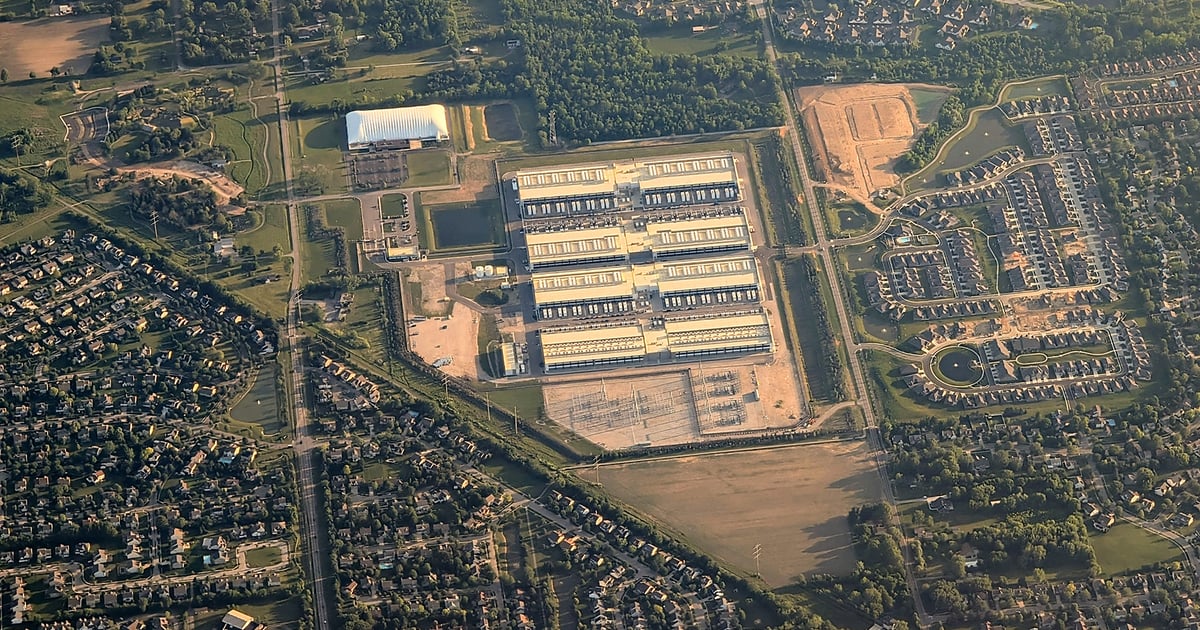
Hyperscale AI campuses are pushing utilities to redesign how they study, price and connect large customers.
Utility, reliability, engineering and commercial real estate executives said large data center loads now affect transmission, substations, transformers, interconnection studies and reliability standards.
The change is operational rather than cosmetic.
Brian Thiry of ReliabilityFirst, a North American Electric Reliability Corporation regional entity, said data centers are becoming widespread enough that the grid will need megawatts from many resource types.
Panelists described AI as an accelerator of pressure that was already building from power plant retirements, electrification and manufacturing demand.
Utilities had spent years planning around little or no growth in electricity demand.
AI campuses, broader electrification and new factory loads have changed the planning model.
ReliabilityFirst had already flagged resource adequacy concerns before hyperscale AI projects entered the queue, and Thiry said even a portion of the new forecast would be much more load than utilities had seen across the last couple of decades.
FirstEnergy Adds A Two-Stage Load Study
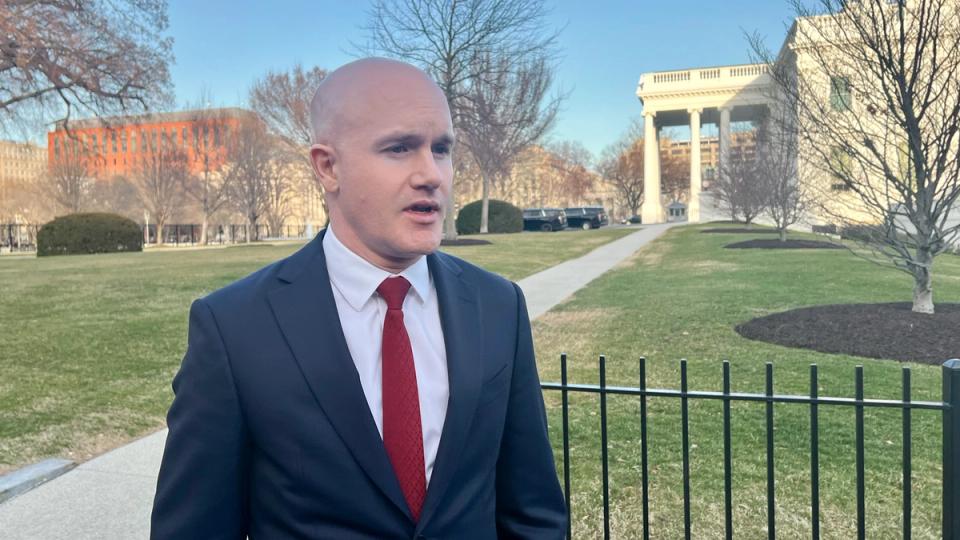
Rachel Lindesmith of FirstEnergy urged developers to talk to utilities before projects are finalized.
FirstEnergy has introduced a two-stage load study process that provides early estimates for cost and timing while filtering speculative projects before they absorb engineering resources.
The process reflects a harder constraint than headline power demand.
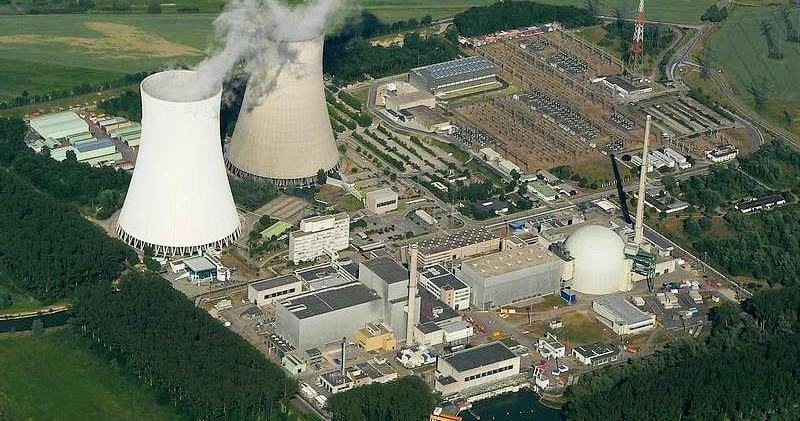
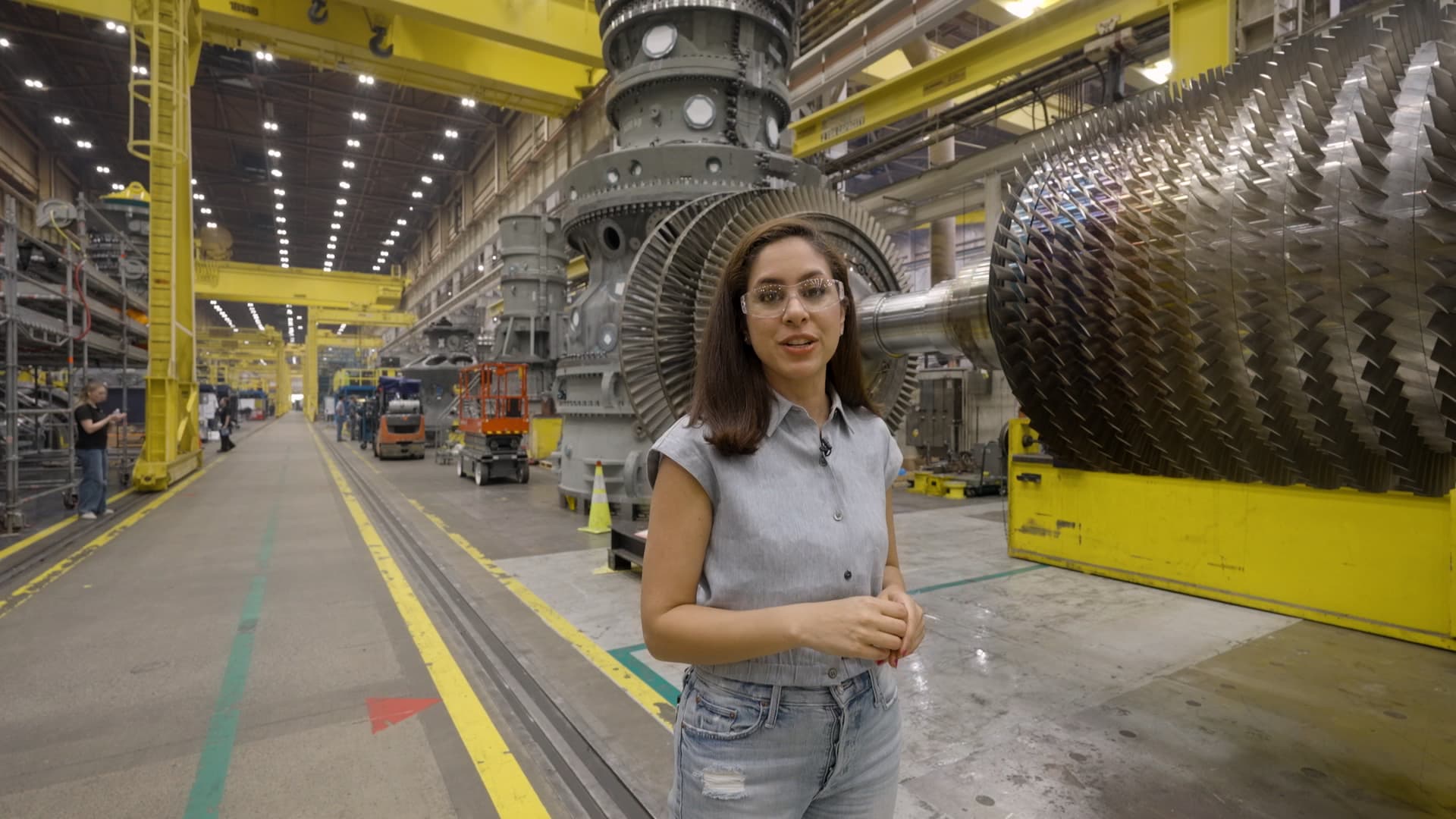
Transformers, breakers and related equipment can take four or five years, according to Lindesmith.
FirstEnergy is also putting capital behind larger transmission work with American Electric Power, and the Ohio plan covers more than 300 miles of new 765-kV transmission.
Commercial real estate broker Terry Coyne said site-selection conversations have shifted from highways, acreage and workforce to megawatts, gas and power.
Manufacturers are also competing with hyperscale operators for electrical capacity.
Robotics, defense manufacturing and advanced industrial projects are asking for 20 MW or more, putting them into the same queue for substations, transformers and transmission capacity.
Reliability Rules Follow The Load
The discussion did not treat private generation as a full workaround.
Panelists discussed behind-the-meter generation, small modular reactors and federal efforts to accelerate large-load interconnections, but Thiry said privately developed power plants still have to be integrated with the broader grid.
ReliabilityFirst is working with NERC on proposed standards for computational load entities.
The standards work recognizes that AI campuses can become operating elements of the bulk power system, not just very large customers behind a fence.
Utilities still need grid models, operating studies and transmission planning to manage changing power flows during outages, maintenance and system disturbances.
FERC ordered regional transmission organizations to justify or reform large-load interconnection rules a week before the discussion.
The policy move may change procedures, but it does not manufacture transformers, shorten permitting routes or build transmission corridors by itself.
AI data centers now have to compete for the same generation, transmission capacity and skilled labor as manufacturing, defense production and electrification.
The concrete unresolved burden is utility execution: two-stage screening, equipment lead times, interconnection reform and enough transmission capacity for customers measured in hundreds of megawatts.
Summary version for Medium
AI Data Centers Force Utilities To Price Power Queues Before Land Deals
Why AI Data Centers Force matter now for cloud infrastructure teams
Quick Summary: Utilities and grid-reliability specialists say hyperscale AI campuses are changing how large loads are studied, priced and connected, with FirstEnergy using a two-stage load study and bigger Ohio transmission plans.
Utilities Move Power Checks Ahead Of Site Decisions
Hyperscale AI campuses are pushing utilities to redesign how they study, price and connect large customers. Utility, reliability, engineering and commercial real estate executives said large data center loads now affect transmission, substations, transformers, interconnection studies and reliability standards.
FirstEnergy Adds A Two-Stage Load Study
Rachel Lindesmith of FirstEnergy urged developers to talk to utilities before projects are finalized.
- Point 1: The central topic is cloud-data-centers, with the announcement framed around concrete operating detail.
- Point 2: FirstEnergy has introduced a two-stage load study process that provides early estimates for cost and timing while filtering speculative projects before they absorb engineering...
The important shift is not the AI label, but the operating boundary it creates for teams.
Reliability Rules Follow The Load
The discussion did not treat private generation as a full workaround. Panelists discussed behind-the-meter generation, small modular reactors and federal efforts to accelerate large-load interconnections, but Thiry said privately developed power plants still have to be integrated with the broader grid.
Read the Full Deep Dive
Want to explore the complete technical analysis, enterprise trade-offs, and detailed metrics?
Read the full article originally published at SendTech Times