Samsung Sets HBM And Server SSD Efficiency Targets With Fab Water Gap Still Open
Samsung’s 2026 Sustainability Report links lower-power HBM and server SSD targets to AI infrastructure, while its semiconductor division still has a 2050 net-zero timetable and limited product-level commercial detail.
Samsung Ties Memory Efficiency To AI Infrastructure
Samsung Electronics has put semiconductor power efficiency and water stewardship inside its 2026 Sustainability Report, giving AI infrastructure buyers a clearer view of the operating constraints behind its memory roadmap.
The report says Samsung’s Device Solutions division is working toward net zero Scope 1 and 2 emissions by 2050.
The same division introduced three additional regenerative catalytic systems, improved equipment energy efficiency and advanced low-power technologies tied to memory products.
Samsung named HBM4 and PM1763 as examples of more energy-efficient products for timely commercialization.
It also said that by 2030 the division plans to improve the energy efficiency of HBM products by 2.5 times and server SSD products by 4 times, with the goal of providing optimized AI infrastructure solutions to customers.
Those targets matter because AI clusters are constrained by power, cooling, water and component efficiency, not only by chip availability.
Samsung’s report does not name customer deployments for HBM4 or PM1763, but it does connect memory efficiency directly to the infrastructure burden created by AI systems.
The Semiconductor Division Keeps A Longer Emissions Clock
The Device Solutions targets sit on a much longer timetable than Samsung’s consumer-device division.
The report says the Device eXperience division is aiming for net zero Scope 1 and 2 emissions by 2030, while Device Solutions is working toward the same emissions scope by 2050.
The longer Device Solutions timetable reflects Samsung's position across finished electronics and semiconductor components.
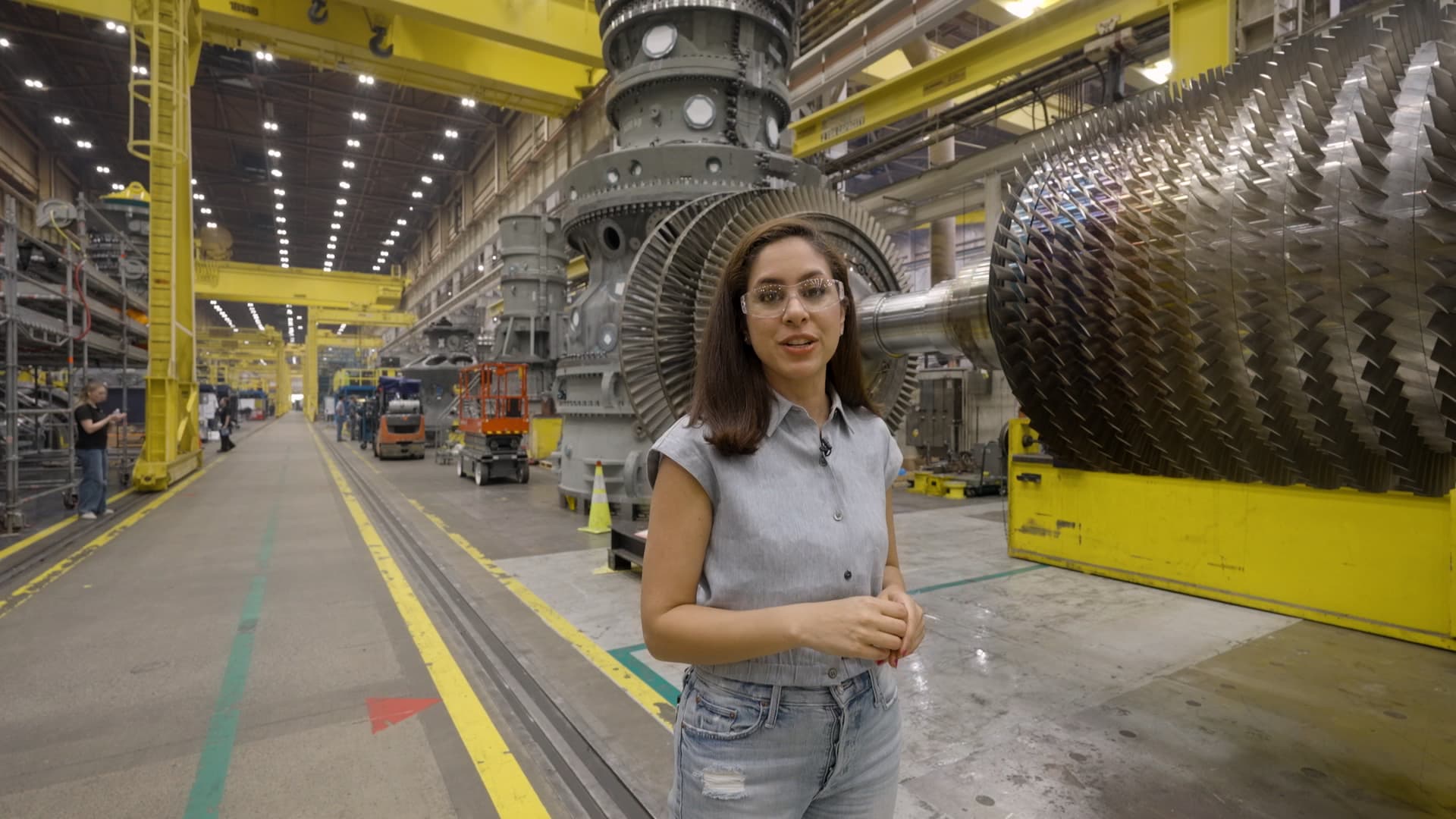
Manufacturing advanced chips and memory requires heavy equipment, energy use, process gases and water management.
Samsung says Device Solutions has improved equipment energy efficiency and added regenerative catalytic systems, but the report excerpt does not break out fab-level emissions reductions or the energy intensity of specific memory lines.
Samsung’s consumer-device side provides more near-term numbers.
The Device eXperience division transitioned 94.8% of total energy consumption to renewable energy by the end of 2025.
It also reduced power consumption by an average of 34.4% versus 2019 across representative product models.
The semiconductor division’s disclosed AI-memory goal is framed as a 2030 efficiency plan rather than a finished operating result.
Water Positive Claims Need Site-Level Proof
Water is the other infrastructure constraint in the report.
Samsung says Device Solutions is pursuing a Water Positive program to return more water than it uses and has restored approximately 240,000 tonnes of water resources.
The Device eXperience division reported a water replenishment rate of 67.2% in 2025 as part of a goal to replenish 100% of global water consumption by 2030.
Samsung also described global factory water-management work and aquatic-ecosystem conservation programs.
For semiconductor fabs, site-level water data would be the stronger evidence.
The report excerpt does not list fab-by-fab withdrawals, regional water-stress exposure, wastewater reuse rates or the share of replenishment tied to semiconductor manufacturing sites.
Investors and infrastructure customers therefore get a direction of travel, but not enough detail to compare water performance across memory production locations.
Supply Chain Audits Expand Around The Chip Roadmap
Samsung also expanded third-party audits across its supply chain to 122 first-tier suppliers and 39 second-tier suppliers.
It launched a Supply Chain Sustainability Committee in late 2025 to address labor rights, environmental management and occupational safety and health.
Semiconductor customers increasingly depend on audited materials, manufacturing capacity, energy sourcing and labor controls across AI infrastructure supply chains.
Samsung did not link the supplier audit numbers to specific HBM, SSD or foundry products, so the evidence remains company-wide rather than product-line specific.
The report gives Samsung a measurable semiconductor efficiency agenda: HBM and server SSD power-efficiency targets for 2030, a 2050 emissions timetable for Device Solutions and a Water Positive claim with 240,000 tonnes restored.
The missing details are still concrete: product-level customer adoption, fab-level water data, memory-line emissions reductions and shipment timing for HBM4 and PM1763.
Summary version for Medium
Samsung Sets HBM And Server SSD Efficiency Targets With Fab Water Gap Still Open
Why this hardware shift matters for AI and compute buyers
Quick Summary: Samsung’s 2026 Sustainability Report links lower-power HBM and server SSD targets to AI infrastructure, while its semiconductor division still has a 2050 net-zero timetable and limited product-level commercial detail.
Samsung Ties Memory Efficiency To AI Infrastructure
Samsung Electronics has put semiconductor power efficiency and water stewardship inside its 2026 Sustainability Report, giving AI infrastructure buyers a clearer view of the operating constraints behind its memory roadmap. The report says Samsung’s Device Solutions division is working toward net zero Scope 1 and 2 emissions by 2050.
The Semiconductor Division Keeps A Longer Emissions Clock
The Device Solutions targets sit on a much longer timetable than Samsung’s consumer-device division.
- Point 1: The central topic is chips-semiconductors, with the announcement framed around concrete operating detail.
- Point 2: The report says the Device eXperience division is aiming for net zero Scope 1 and 2 emissions by 2030, while Device Solutions is working toward the same emissions scope by 2050.
The important shift is not the AI label, but the operating boundary it creates for teams.
Water Positive Claims Need Site-Level Proof
Water is the other infrastructure constraint in the report. Samsung says Device Solutions is pursuing a Water Positive program to return more water than it uses and has restored approximately 240,000 tonnes of water resources.
Read the Full Deep Dive
Want to explore the complete technical analysis, enterprise trade-offs, and detailed metrics?
Read the full article originally published at SendTech Times